
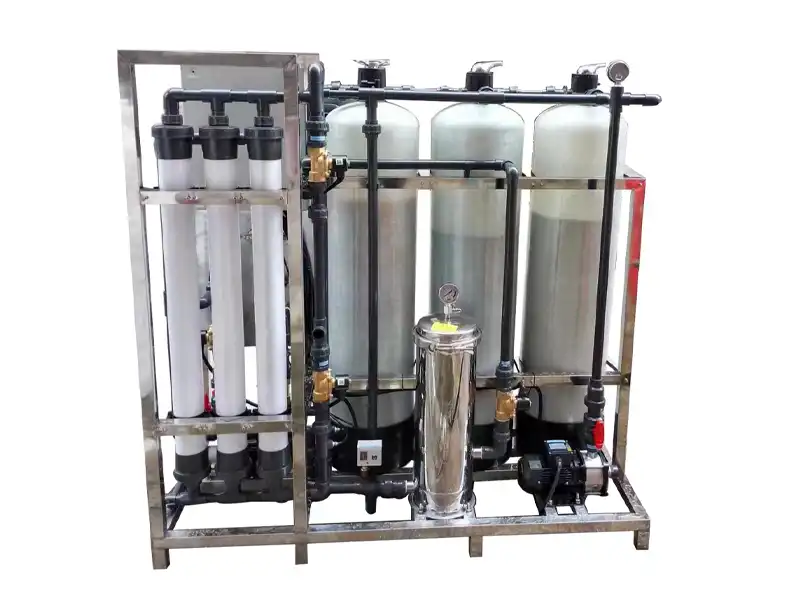
1000LPH UF Ultrafiltration System Manufacturer
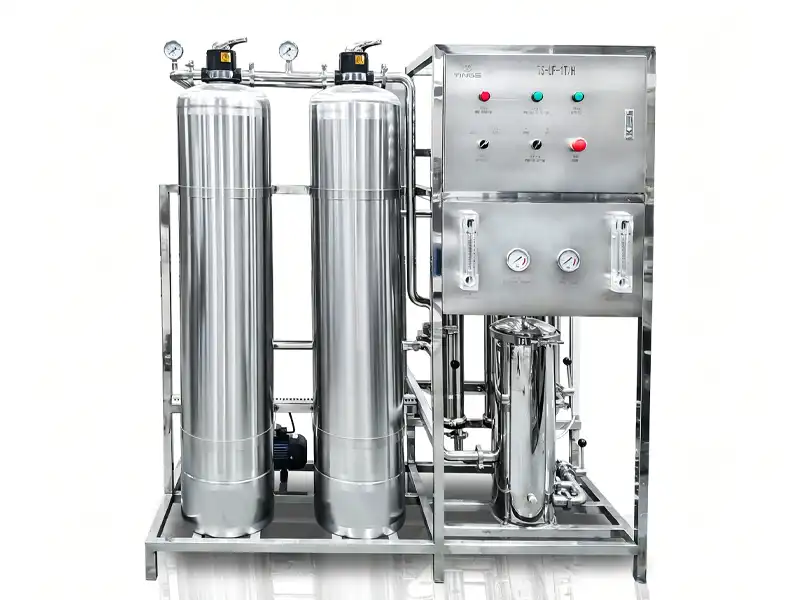
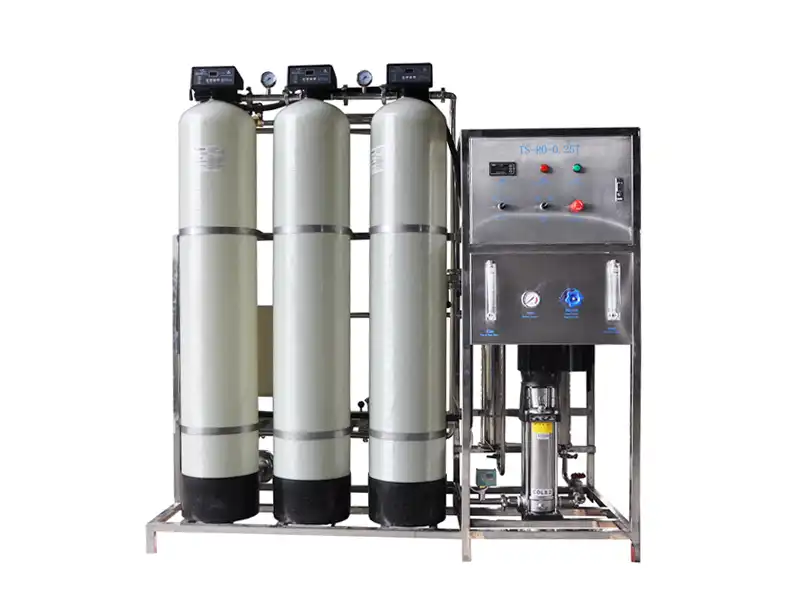
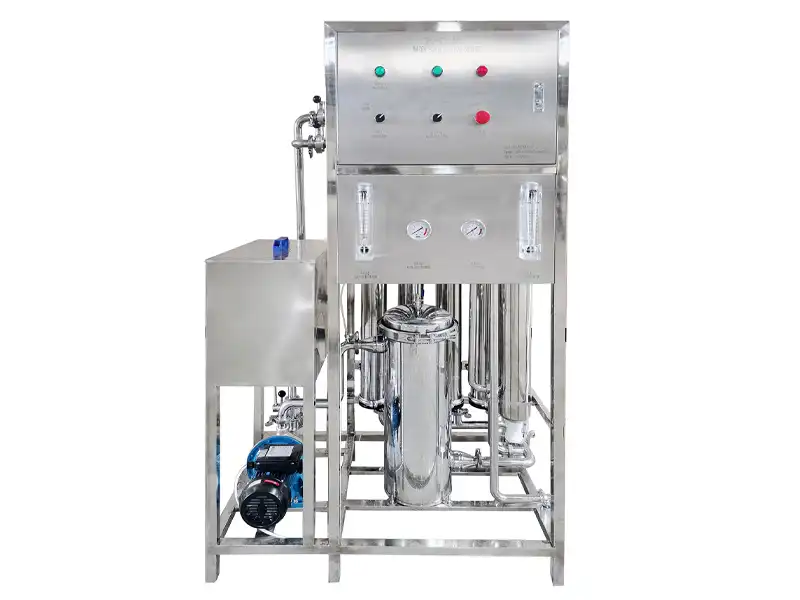
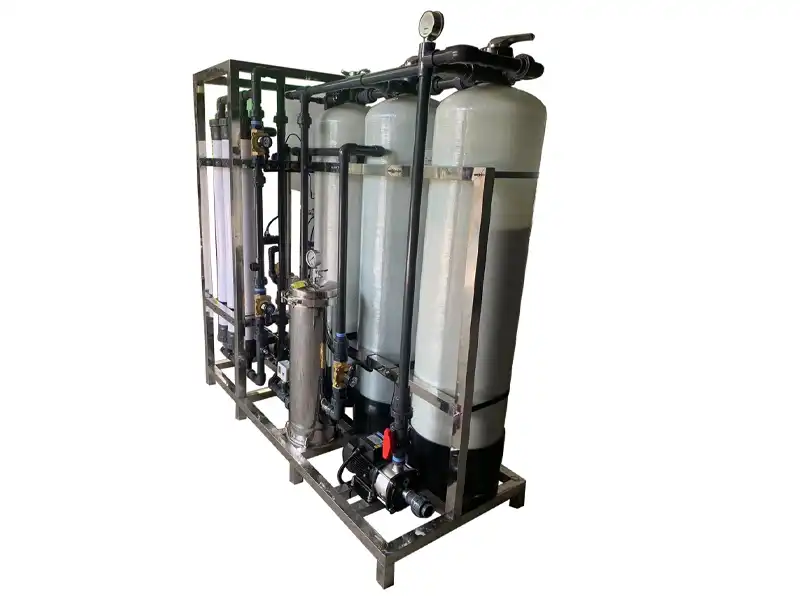
The ultrafiltration system utilizes ultrafiltration membrane separation technology to efficiently remove impurities such as suspended solids, colloids, and bacteria while retaining beneficial minerals. Characterized by high filtration precision, stable operation, a high degree of automation, and low maintenance costs, it is widely used in applications including drinking water, industrial water, wastewater reclamation, and RO pretreatment.
- Power(W): 3 kW
- Voltage: 220V
- productivity: 2500L/Hour or more
- Material: SS304/SS316
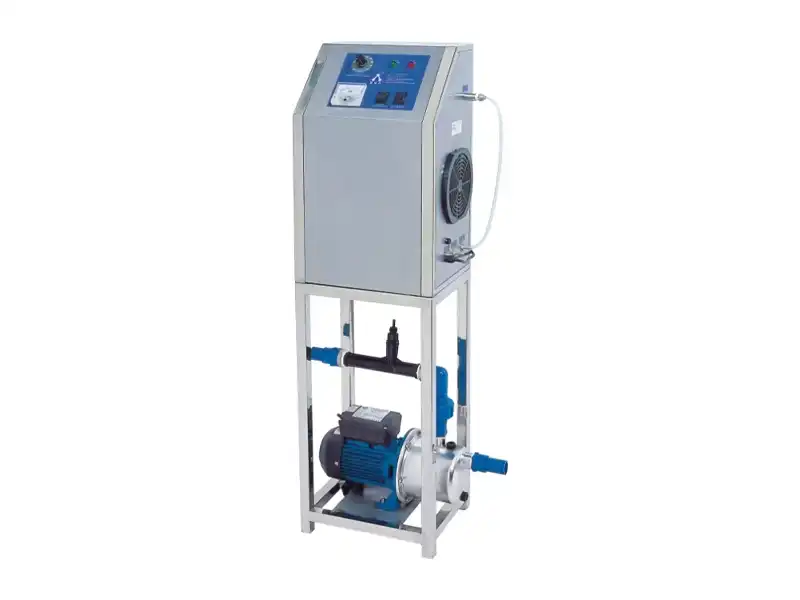
- Filter Type: UV sterilizer
Price: $2100–$2500
Product Introduction
An ultrafiltration system, also known as a UF water treatment system, is a pressure-driven water treatment unit centered on UF membrane technology. It effectively removes suspended solids, colloids, bacteria, and macromolecular organic matter—typically those larger than 0.01 μm—while retaining beneficial minerals. As a highly efficient system, it offers advantages such as stable effluent quality, low operating costs, and a high degree of automation, making it widely applicable in industrial water purification, drinking water treatment, wastewater reclamation, and reverse osmosis (RO) pretreatment.
Working Principle of an Ultrafiltration Plant
The ultrafiltration system utilizes pressure as the driving force to filter and separate raw water through an ultrafiltration membrane. The membrane retains suspended solids, colloids, bacteria, and macromolecular organic matter, while allowing water molecules and dissolved minerals to pass through, thereby producing a stable and clean effluent.
- Raw Water Intake and Pre-treatment: Raw water first passes through a sand filter, multi-media filter, or security filter to remove large particulate impurities and protect the ultrafiltration membranes.
- Pressurized Feed to Ultrafiltration Modules: A water pump provides stable pressure to feed the raw water into the ultrafiltration membrane modules, driving the continuous filtration process.
- Membrane Separation and Filtration: With a pore size typically around 0.01 μm, the ultrafiltration membrane effectively retains suspended solids, colloids, bacteria, algae, and certain macromolecular organic compounds.
- Product Water Output: Purified water passes through the membrane walls and flows into a clean water tank or a downstream reverse osmosis (RO) system, ready for use as process water or domestic water.
- Concentrate Discharge: Retained contaminants are discharged from the system along with the concentrated water, minimizing membrane surface fouling and ensuring stable operation.
- Automatic Backwashing and Chemical Cleaning: The system automatically performs backwashing based on operating time or pressure differential; chemical cleaning (CIP) is employed when necessary to restore membrane flux and extend the service life of the membrane modules.
Structure of the Ultrafiltration System
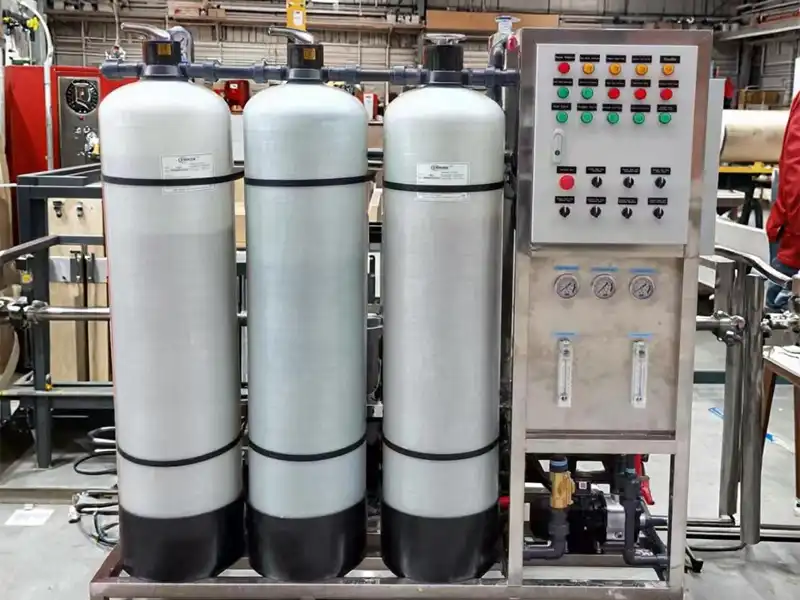
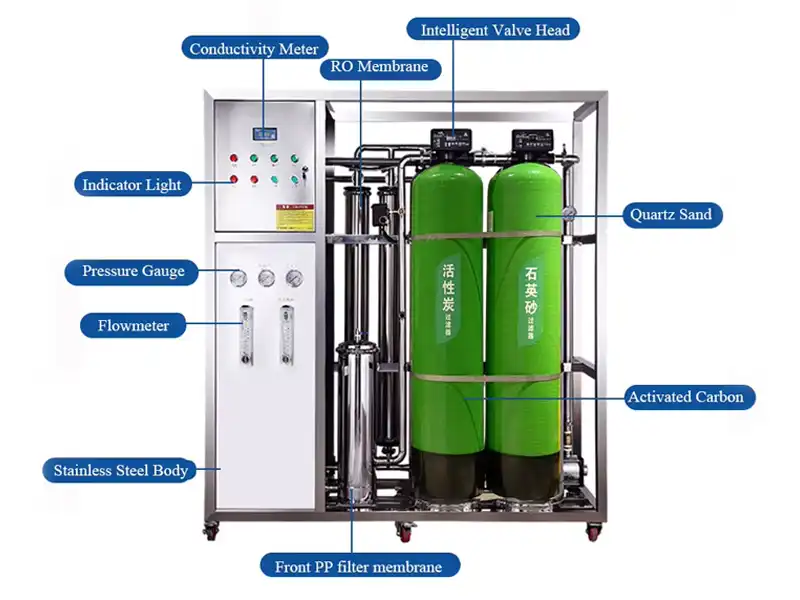
An ultrafiltration system typically consists of a pretreatment unit, ultrafiltration membrane modules, a control system, and auxiliary equipment, with all components working in coordination. Below is the structure of the ultrafiltration system:
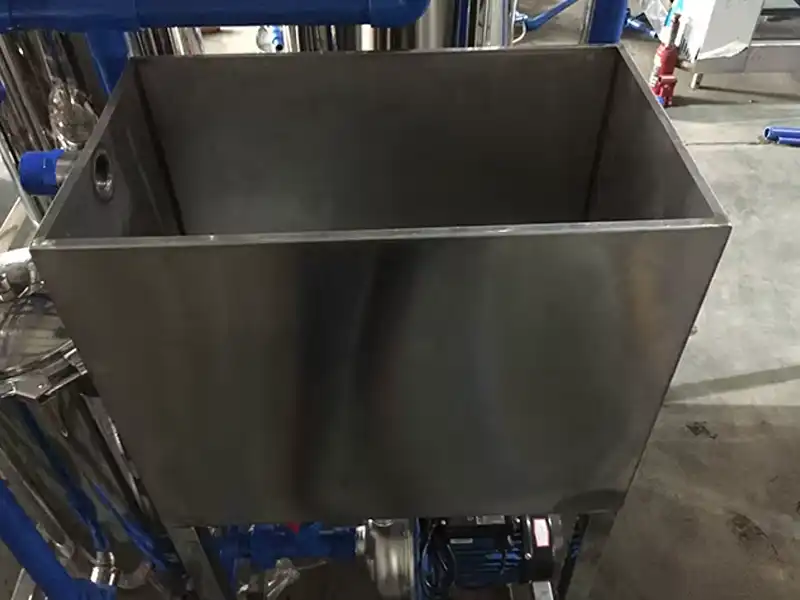
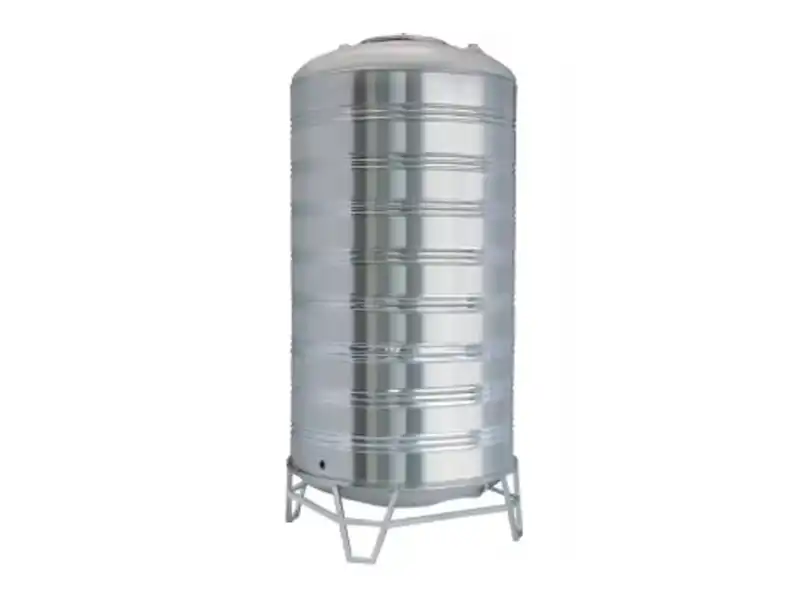
- Raw Water Tank: Stores raw water awaiting treatment, stabilizes the feed flow rate, and ensures a continuous water supply for the system.
- Pre-treatment System: Includes multi-media filters, activated carbon filters, or security filters to remove large particulate impurities and residual chlorine, thereby protecting the ultrafiltration membranes.
- Feed Pump: Provides stable operating pressure and delivers raw water to the ultrafiltration membrane modules.
- Ultrafiltration (UF) Membrane Module: The core component of the system utilizes a pore size of approximately 0.01 μm to achieve solid-liquid separation and remove contaminants such as suspended solids, colloids, and bacteria.
- Membrane Housing and Piping System: Secures the membrane modules and connects process piping, ensuring uniform water distribution and stable operation.
- Backwash System: Periodically backwashes the membrane modules to remove surface contaminants and restore filtration flux.
- Chemical Cleaning System (CIP): Equipped with cleaning solution tanks, pumps, and related hardware to perform deep cleaning of the membrane modules and extend their service life.
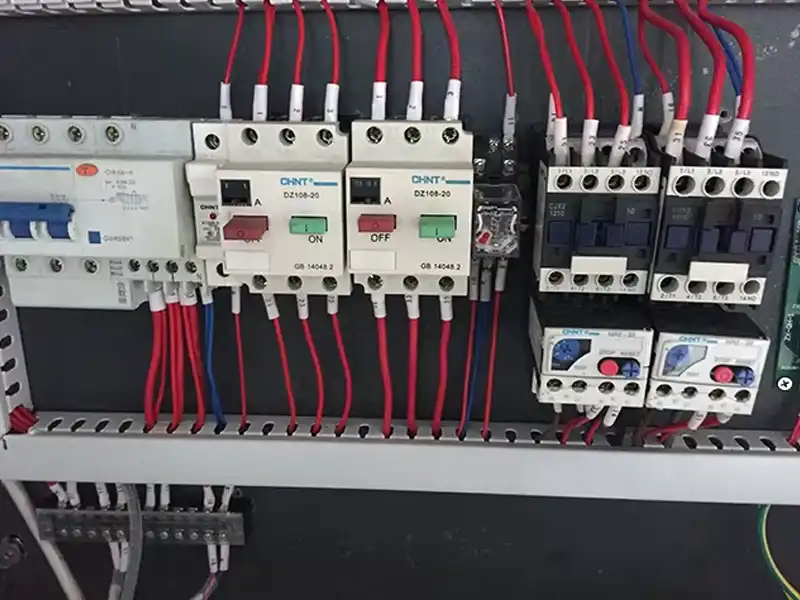
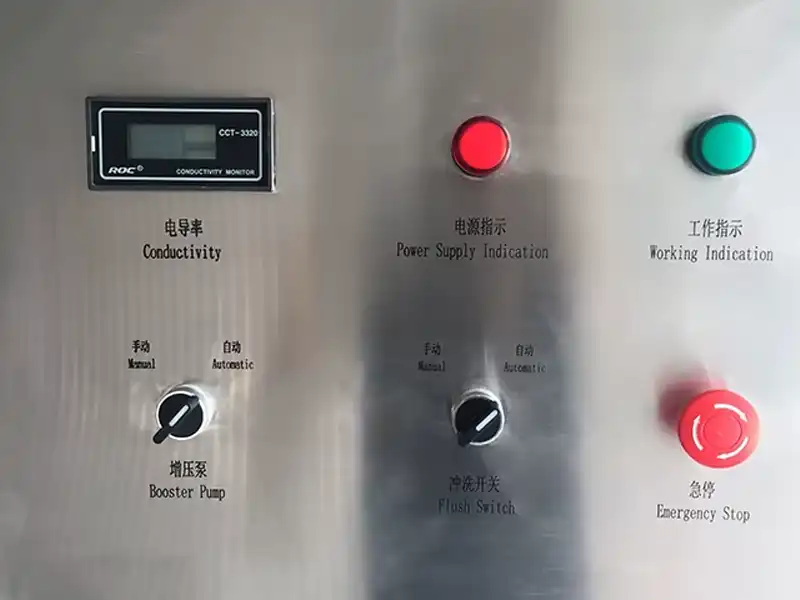
- Automatic Control System: Utilizes PLC or touchscreen controls to manage automatic operation, backwashing, alarms, and parameter monitoring, thereby enhancing operational efficiency.
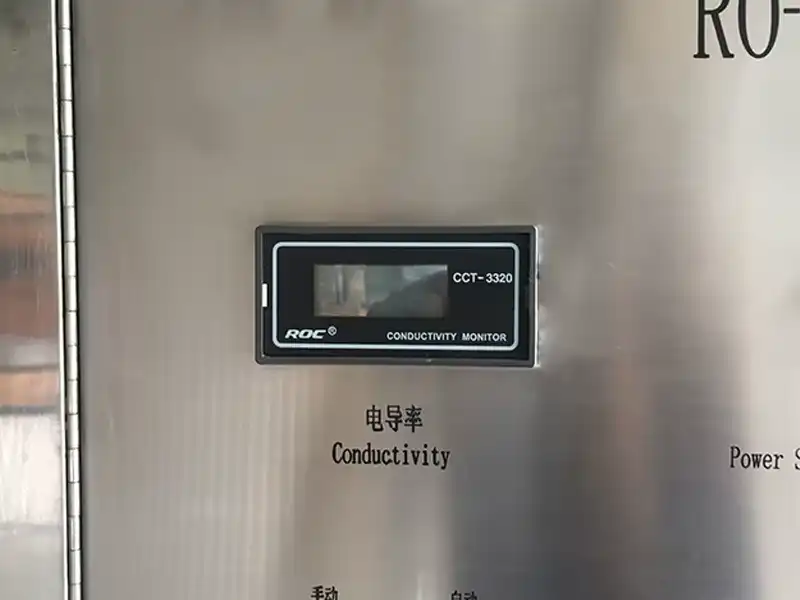
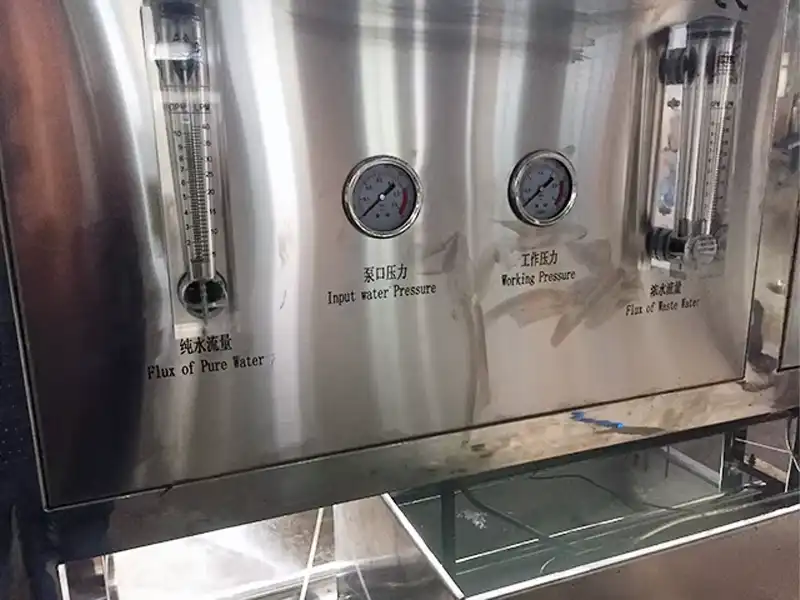
- Instrumentation and Monitoring System: Equipped with pressure gauges, flow meters, and water quality monitors to track system status in real time and ensure safe, stable equipment operation.
Specification
| Model | UF-1T |
| Capacity | 1000L/H (25℃) |
| General Power Consumption | 0.75kw |
| Working Voltage | 380V/50Hz (Can be customized) |
| Booster pump | BLC70/075 type, 0.75kw, 1set |
| FRP Quartz sand filter | Ф300X1370mm, 1 set, Quartz sand 100 kg |
| FRP Activated carbon filter | Ф300X1370mm, 1 set, Activated carbon 50 kg |
| Precise filter | Ф195×500mm, 1 set, stainless steel 304 |
| UF membranes | 2pcs |
Process Description
Raw water→ Raw water tanks(provided by buyer) →Raw water pumps →Quartz sand filter→Softener(optional)→ Activated carbon filter →5μm security filter→Ultrafiltration device→UV sterilizer(ozone generator)→Pure water tank(provided by buyer) →Water supply point
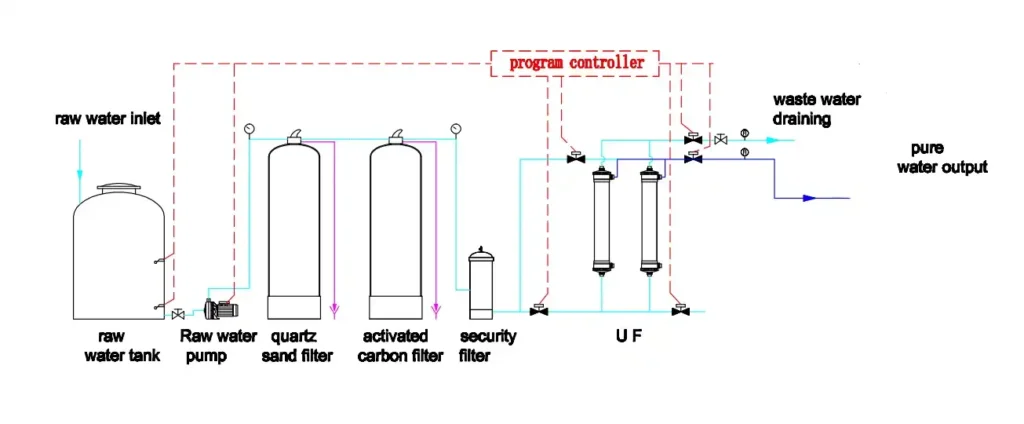
- STEP<1>. Sand Filter: to use sand media down to 0.5- 1 mm. The filter size can be as small as 200 microns. Some big suspended solids like colloids, rust, mud, impurity, etc can be trapped by a media bed. and be removed from water.
- STEP<2>. Carbon Filter: can absorb some organisms, dissolved air, odor & color matter, etc.
- STEP<3>. Softener(optional): Use cation exchange resin to remove Calcium, magnesium, etc to make soft water.
- STEP<4>. Micron Filter: Use a 5 -20 micron sediment cartridge filter/bag filter to remove the suspended solids from pre-treatment. so that more safety for the entrance of RO.
- STEP<5>. Ultra-filtration system (UF membrane to trap most of the ions. to de-mineralize/desaltination etc., it will be PURE WATER from the output.
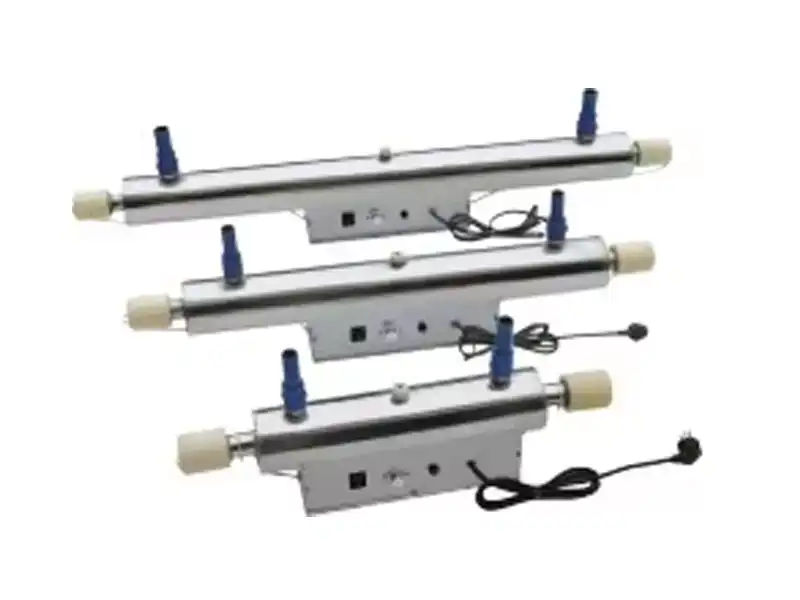
- STEP<6>.UV sterilizer(ozone generator): For killing bacteria in water, be safe for drinking.
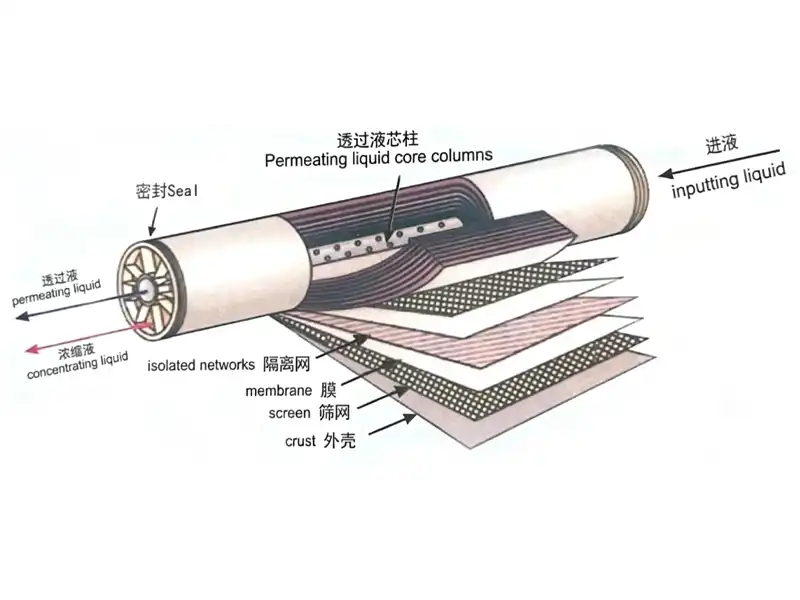
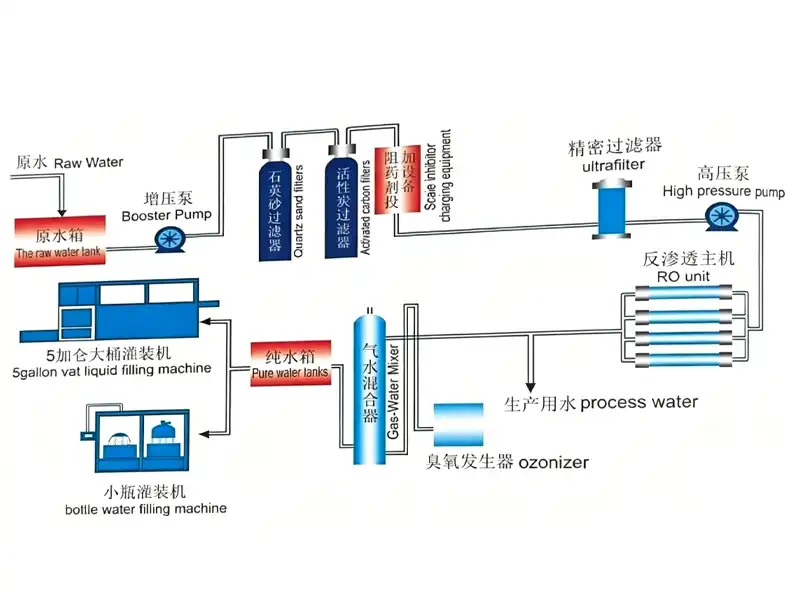
Details
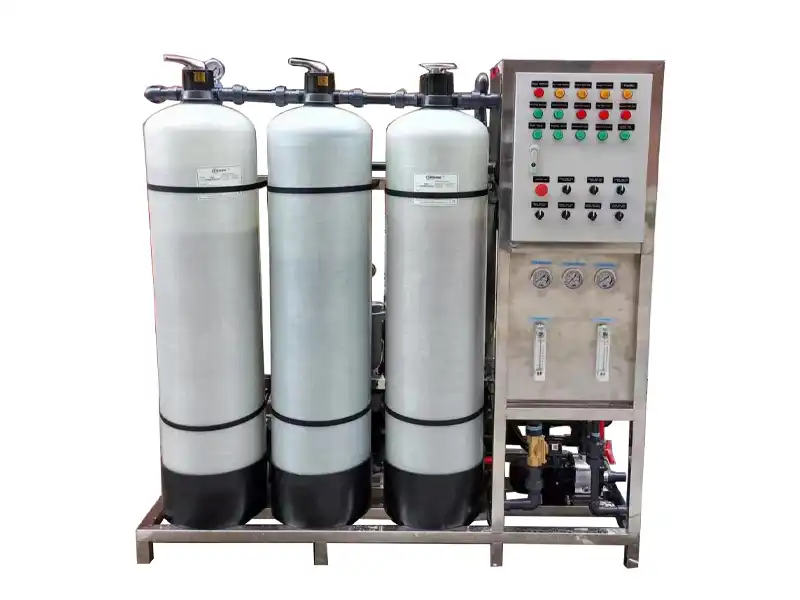
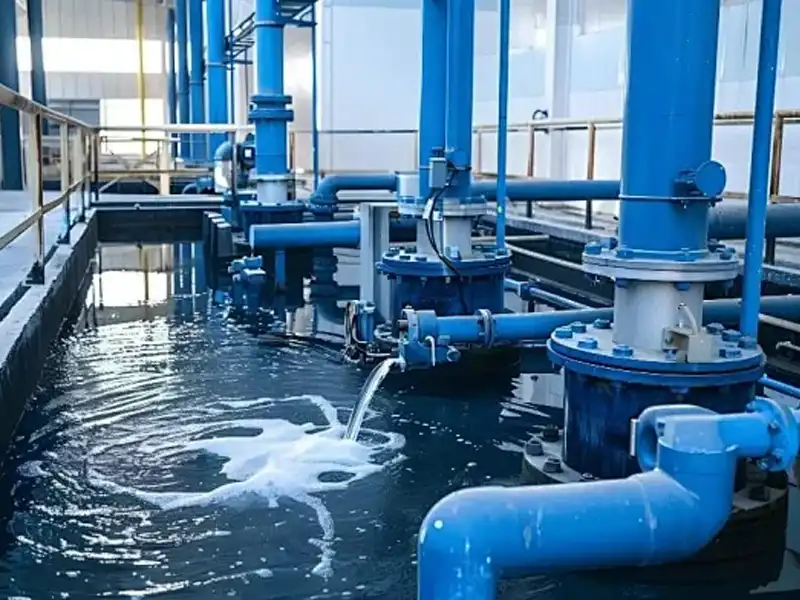
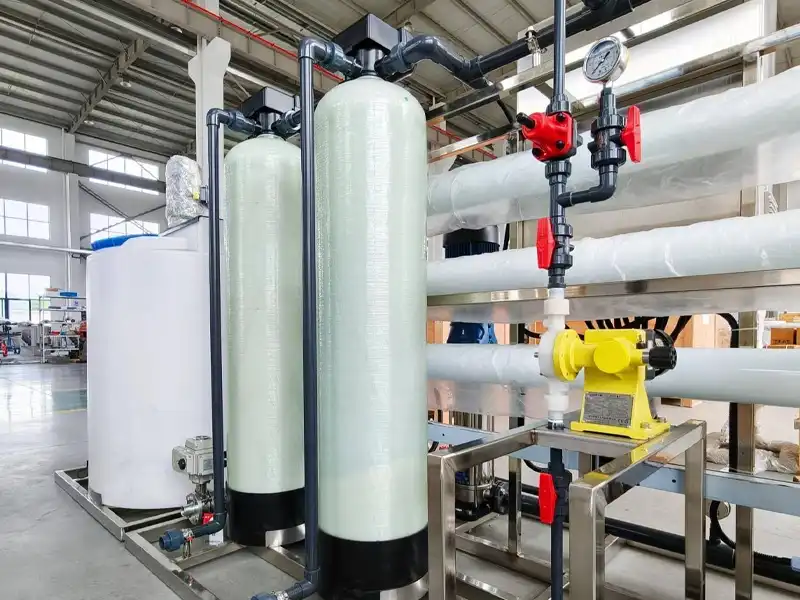
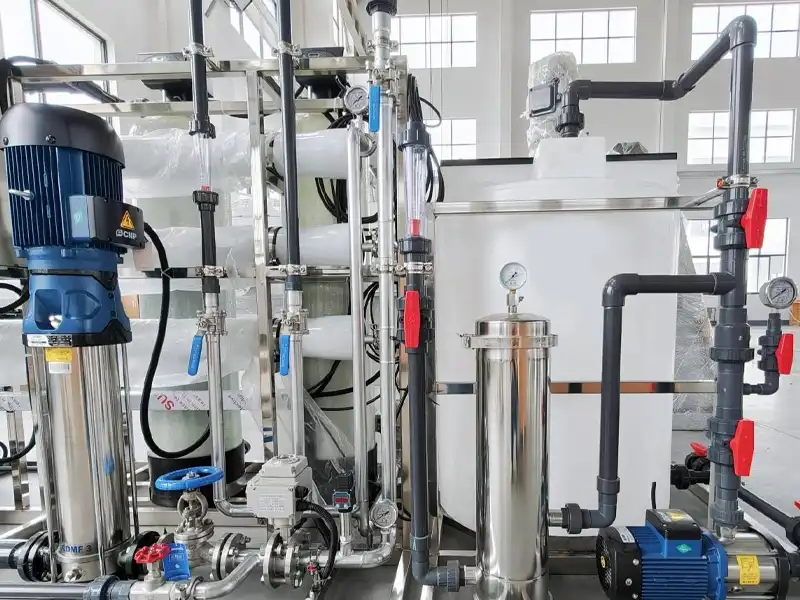
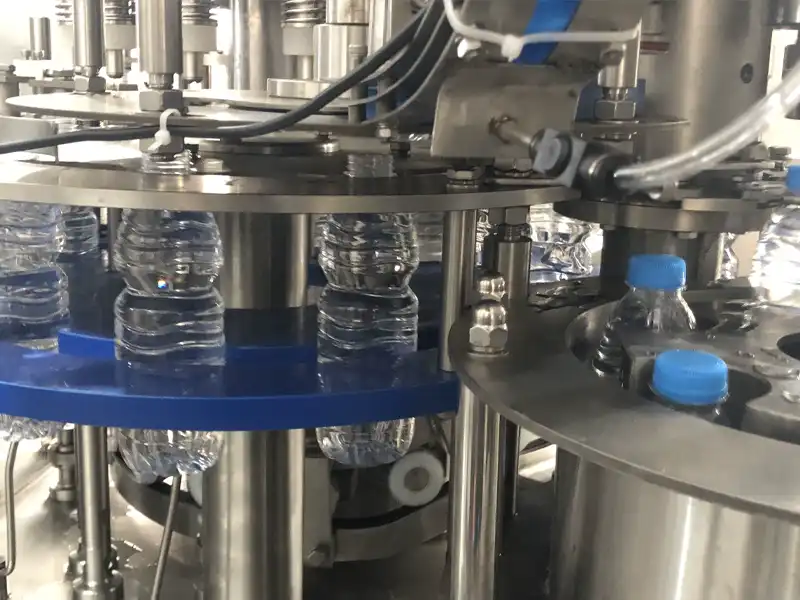
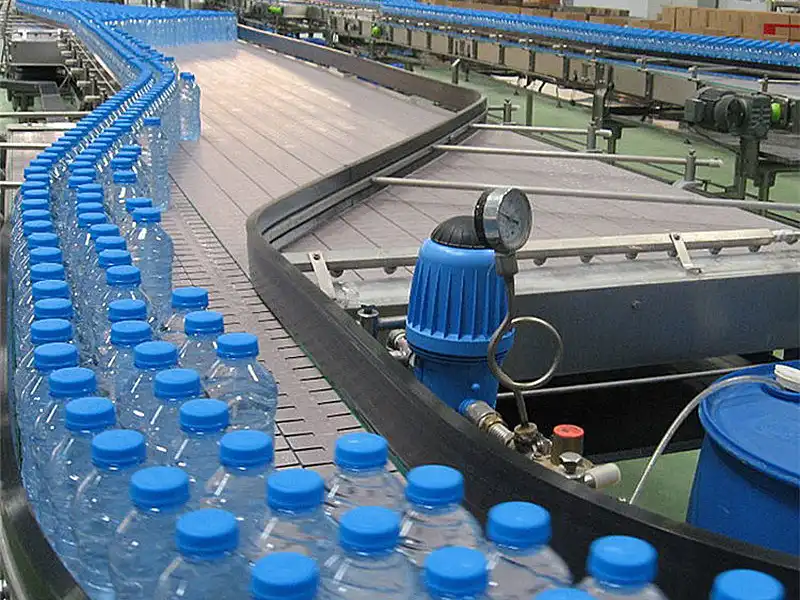
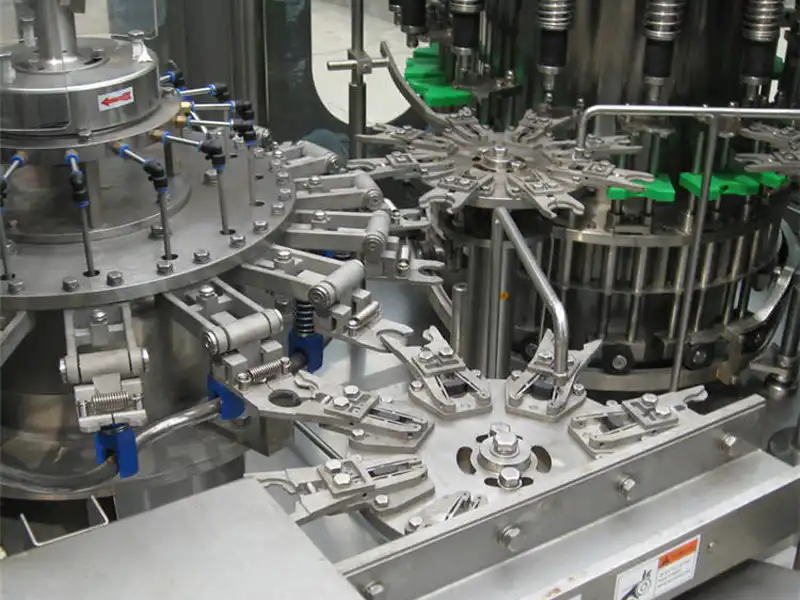
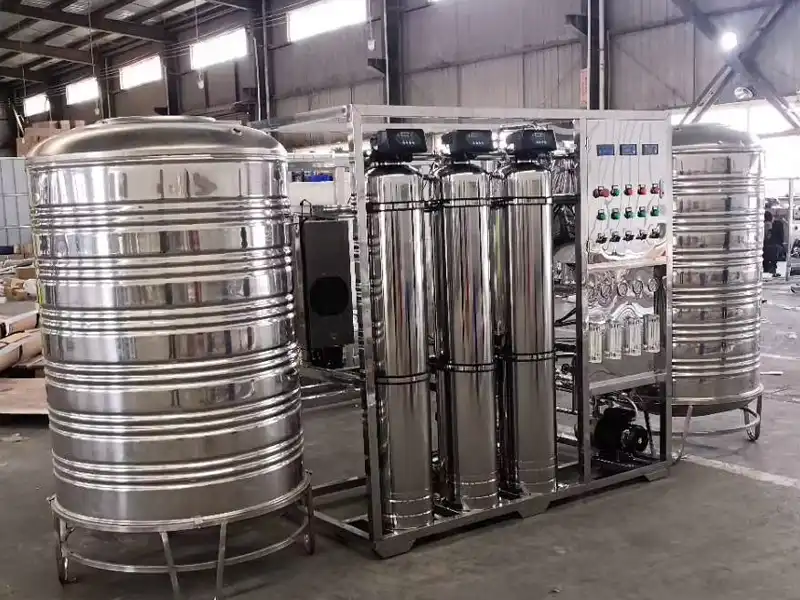
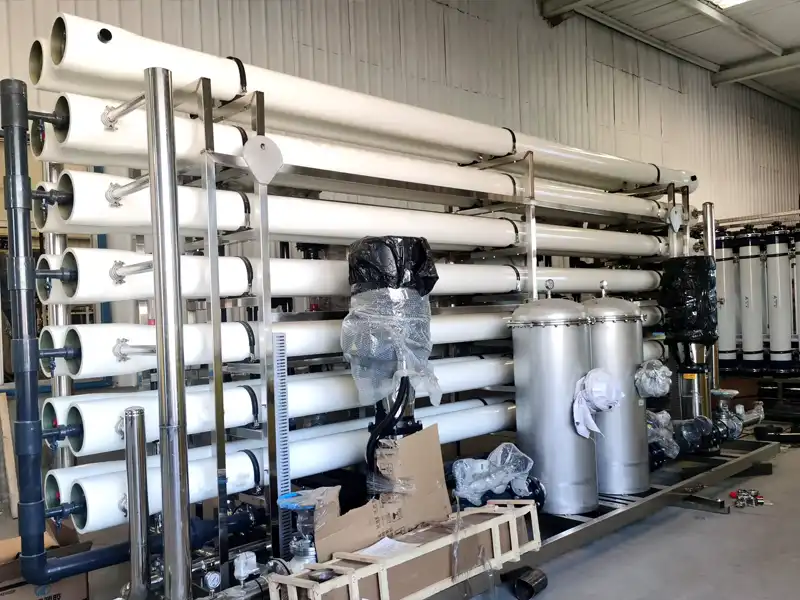
Gaining an intuitive understanding of the structural composition, core component configuration, and operational status in actual engineering applications of the ultrafiltration water system facilitates a comprehensive assessment of the equipment’s performance and quality.
Functions of the Ultrafiltration Water System
- High separation precision
Pore sizes range from 0.01 to 0.1 μm, allowing for the retention of colloids, bacteria, and macromolecules while permitting the passage of water and small inorganic salt molecules. - Low-temperature, low-energy operation
Operates at ambient temperature and low pressure; suitable for heat-sensitive materials, with an energy consumption far lower than that of reverse osmosis processes. - Simple, automated operation and maintenance
Streamlined process flow with built-in automatic backwashing; flux can be restored via chemical cleaning in the event of fouling. - Environmentally friendly process
Separation occurs without phase changes and requires no additional chemical dosing, making it a clean separation technology.
Application of the Ultrafiltration Water System
- Municipal & Water Treatment
Used for tap water purification, RO pretreatment, sewage reclamation, and rural safe drinking water projects to intercept bacteria, colloids, and suspended solids. - Food & Beverage Industry
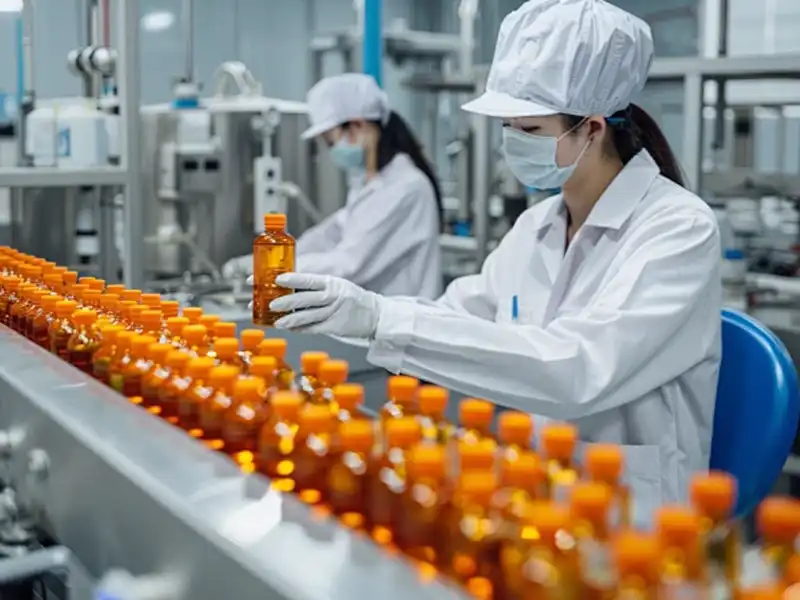
Clarify juice, wine, and beer, concentrate whey protein, and recover enzymes under normal temperature without damaging flavor and nutrients. - Pharmaceutical & Bioengineering
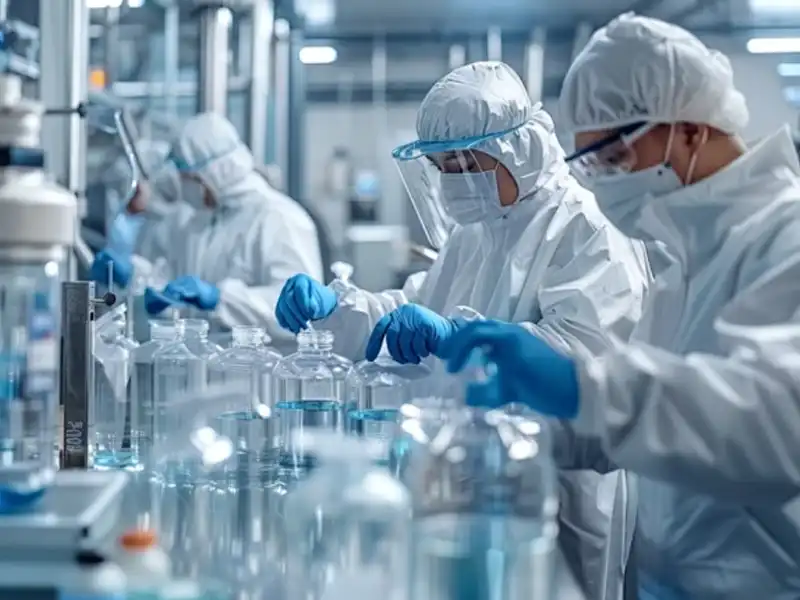
Purify protein, remove pyrogen from injection water, clarify traditional Chinese medicine extracts, and separate biological macromolecules under mild conditions. - Textile and Dyeing Industry
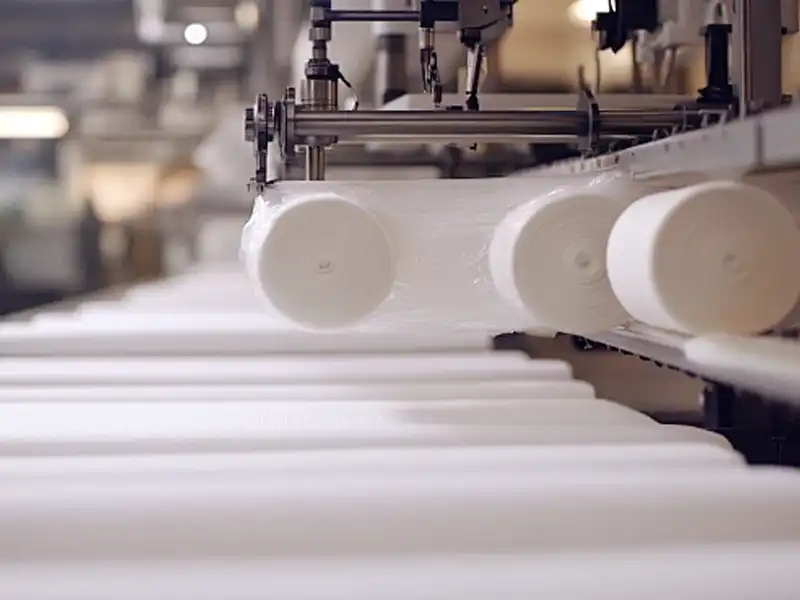
Used for wastewater reuse and dye removal, increasing the recycling rate of water resources. - Papermaking Industry
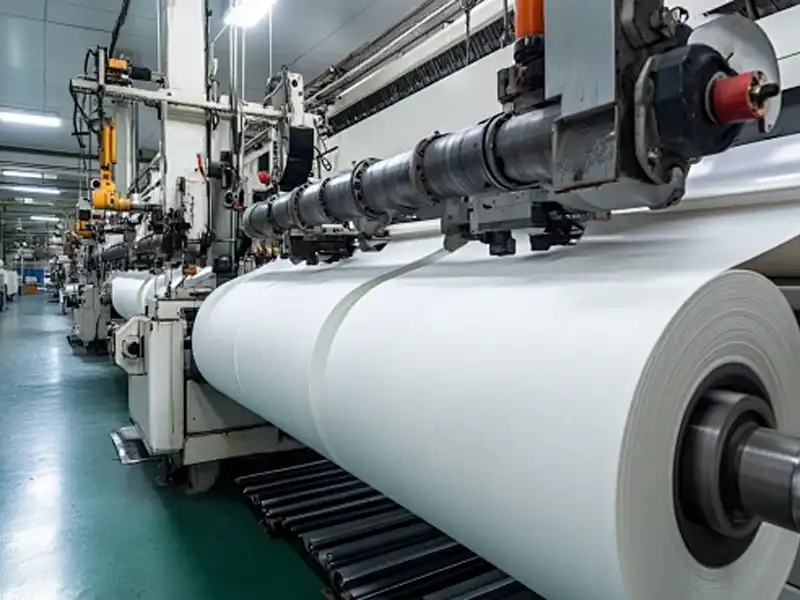
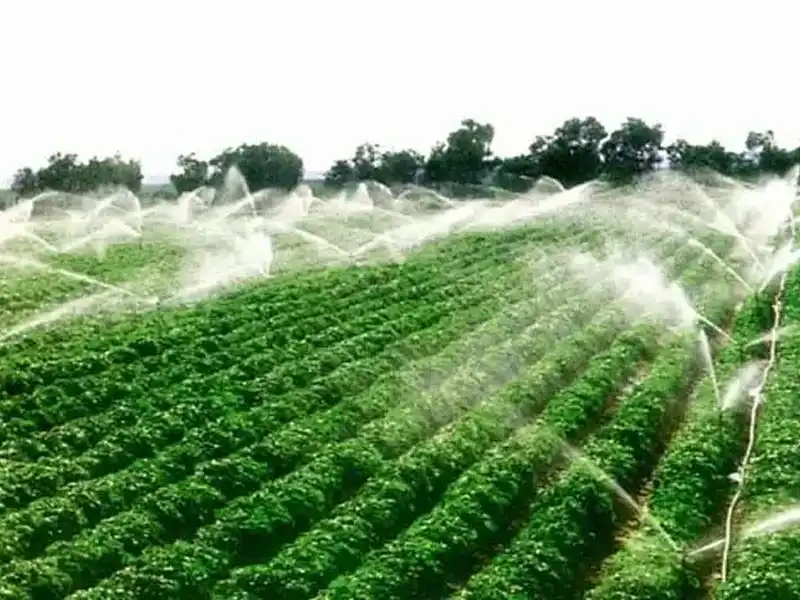
Used for white water recovery and recycling, reducing fresh water consumption and discharge loads. - Agricultural Irrigation Water Treatment
Improves irrigation water quality, prevents clogging in drip irrigation systems, and enhances agricultural water use efficiency.
 Municipal & Water Treatment
 Food & Beverage Industry
 Pharmaceutical & Bioengineering
 Textile and Dyeing Industry
 Papermaking Industry
 Agricultural Irrigation Water Treatment
Ultrafiltration System Manufacturer and Supplier
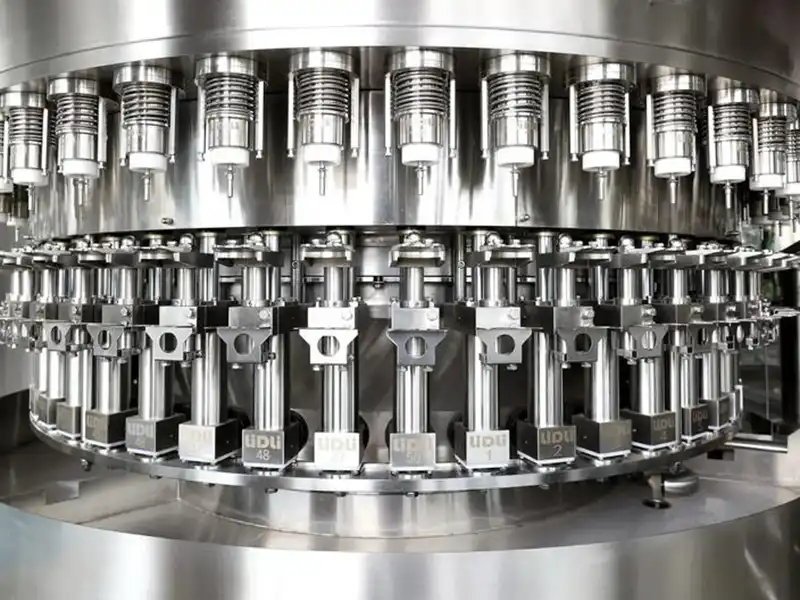
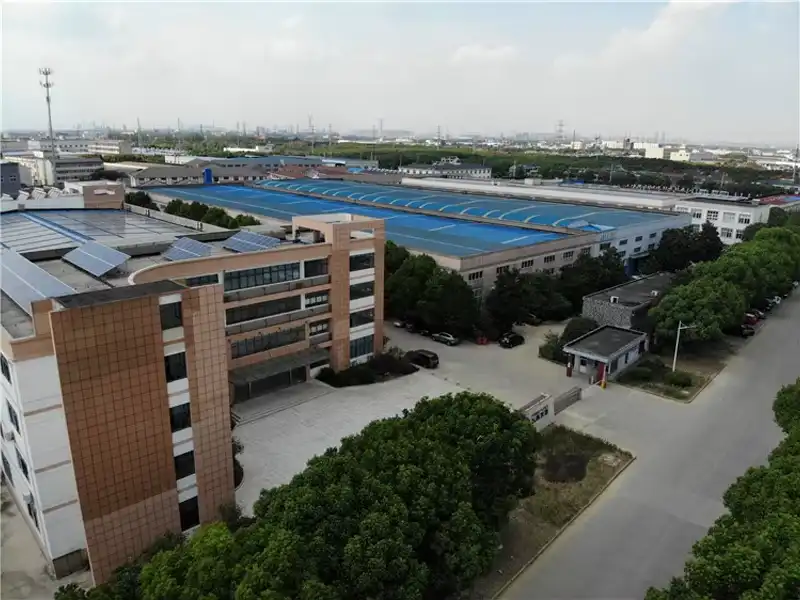
We are a professional manufacturer and supplier of Ultrafiltration (UF) water treatment systems, providing integrated membrane filtration solutions for a wide range of water purification needs. Our main products include UF systems for drinking water treatment, mineral water production, mountain spring water pretreatment, and industrial process water applications, along with supporting equipment such as pretreatment filtration units, water softening systems, activated carbon filters, and integrated filtration modules. These systems remove suspended solids, colloids, bacteria, and macromolecular organic substances, delivering stable effluent water quality for downstream use.
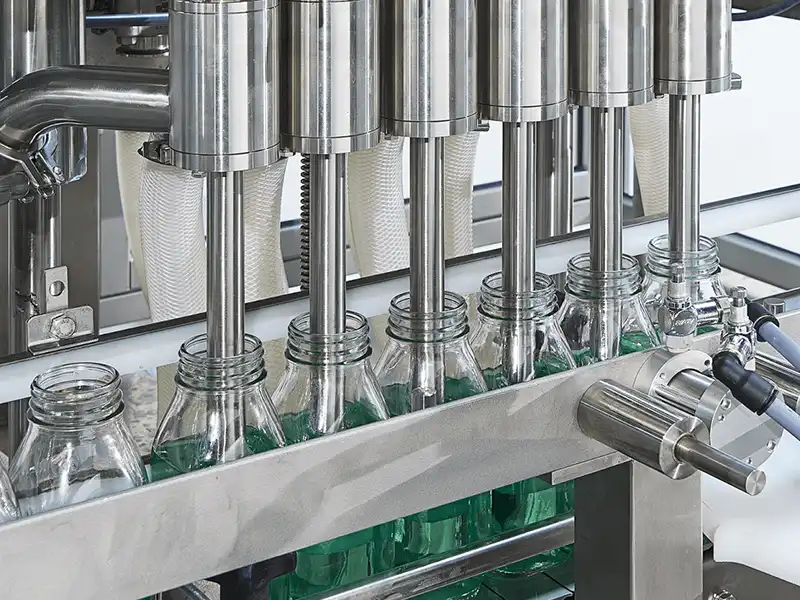
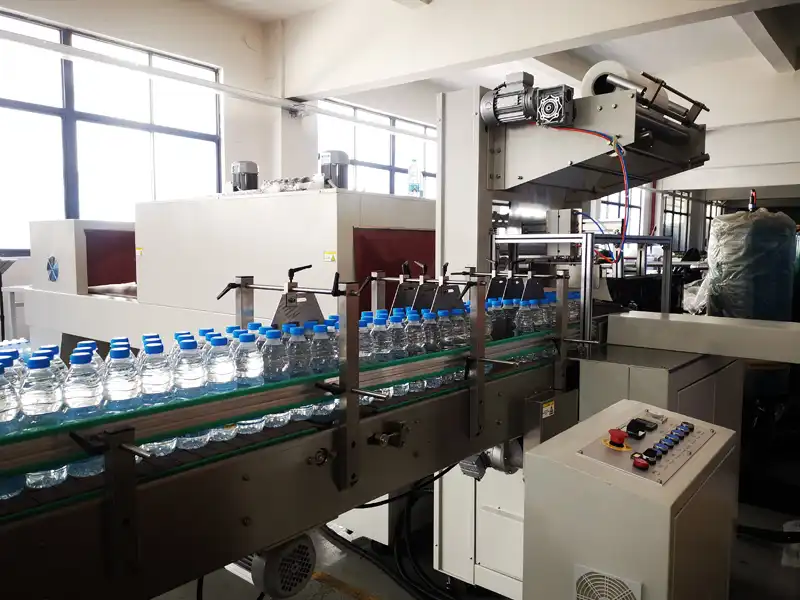
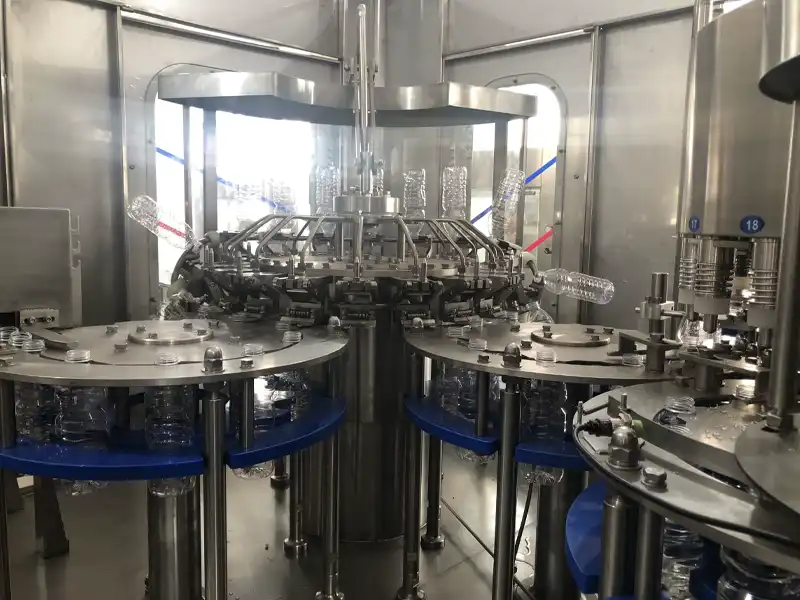
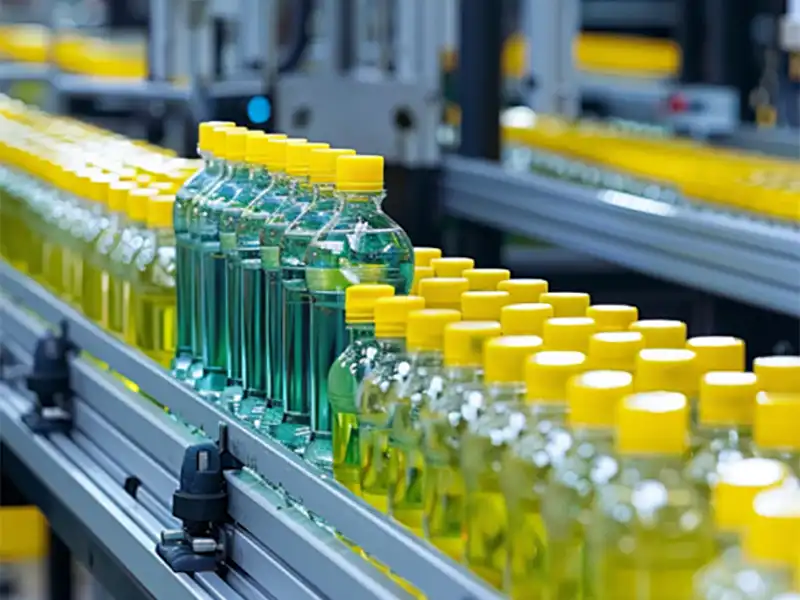
We provide customized ultrafiltration solutions based on different flow capacities, raw water conditions, and application requirements, covering areas such as bottled water production, food and beverage processing, municipal water supply, and industrial water reuse. Each project is configured according to specific site conditions and process needs, with support covering system design, water quality analysis, and equipment selection. For project consultation or system configuration details, please contact our technical team.
FAQs
The following is a summary of frequently asked questions regarding ultrafiltration plants, designed to help you quickly understand the system’s features and applications.
Contact Us
A professional manufacturer of ultrafiltration water treatment plants, offering a complete range of water purification systems with flexible customization to meet the diverse needs of bottled water production.
- Custom Water Treatment Solution Design
- Free Professional Technical Consultation
- Complete Water Equipment Manufacturing
- Global Remote Installation Guidance
- Long-Term After-Sales & Spare Parts Supply
- OEM & ODM Customization Service OEM/ODM