


Capping Machine | Bottle & Container Capping Equipment
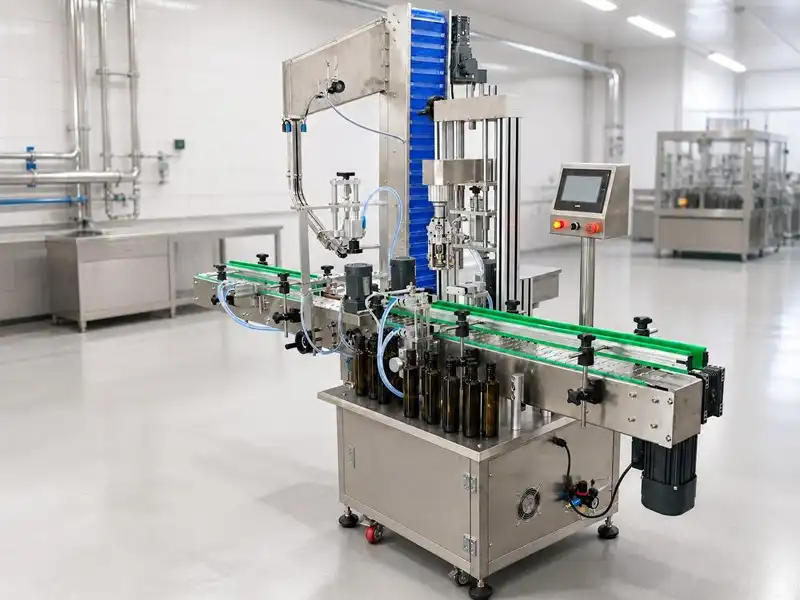
A capping machine is used to secure bottle caps, can lids, and other closures onto packaging containers. Different configurations can be selected based on bottle type, cap type, and production capacity. These machines feature fast capping speeds, stable operation, and high adaptability, and are widely used in production lines for beverages, mineral water, fruit juices, dairy products, beer, cooking oil, and personal care products.
- Dimension(lwh): 1930x740x1600mm
- Power: 220V/50HZ 0.6KW
- Machine weight: 200kg
- Production speed: 20-40 bottles/min
Price: $1,499-$5,499
Introduction
A capping machine, also known as an automatic capping machine or bottle capping machine, is used to securely seal bottle caps and can lids onto packaging containers; it is a common piece of equipment in filling production lines. Depending on the cap type and container, various capping methods can be used, such as screw caps, ROPP caps, and crown caps. Some machines can reach speeds of up to 40,000 BPH and are suitable for the bottling of products such as water, fruit juice, dairy products, beer, and cooking oil.
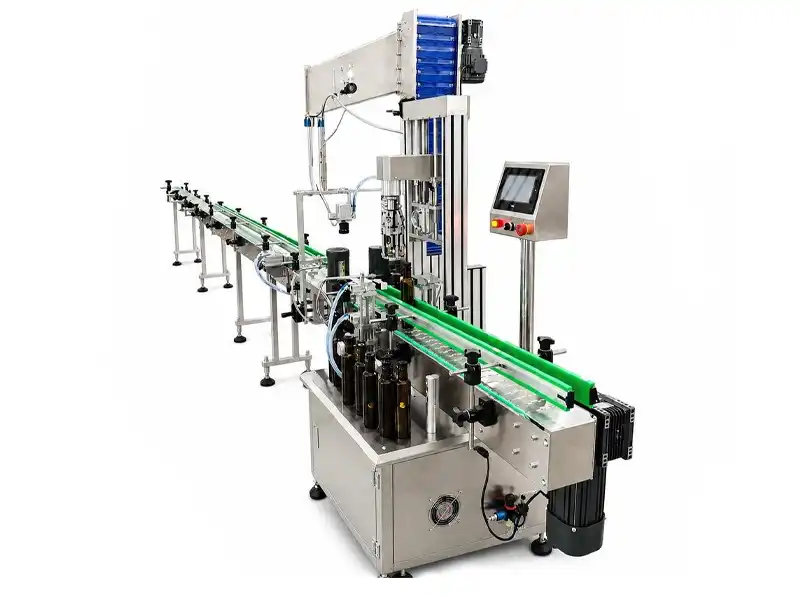
Structure Bottle Capping Machine
- Control Panel: Used to set and adjust the machine’s operating parameters; operation is relatively intuitive.
- Rotary Knob: Adjusts parameters such as capping speed and conveyor speed, making on-site machine adjustments convenient.
- Conveyor Belt: Responsible for continuously feeding bottles into the capping area and conveying capped bottles out.
- Bottle Spacer Plate: Controls the spacing between bottles to prevent them from being squeezed together during continuous feeding.
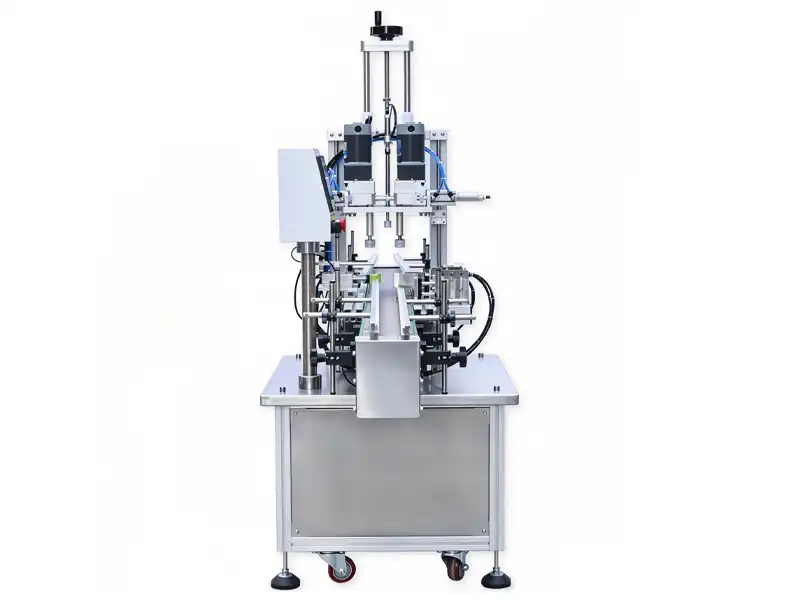
- Capping Fixture: Secures the bottle cap and tightens or presses it into place; this is the core component of the capping section.
- Motor: Provides power to the conveyor, capping, and other mechanisms.
- Air Compressor Connector: Used to connect to an external compressed air system; required for certain pneumatic capping mechanisms.

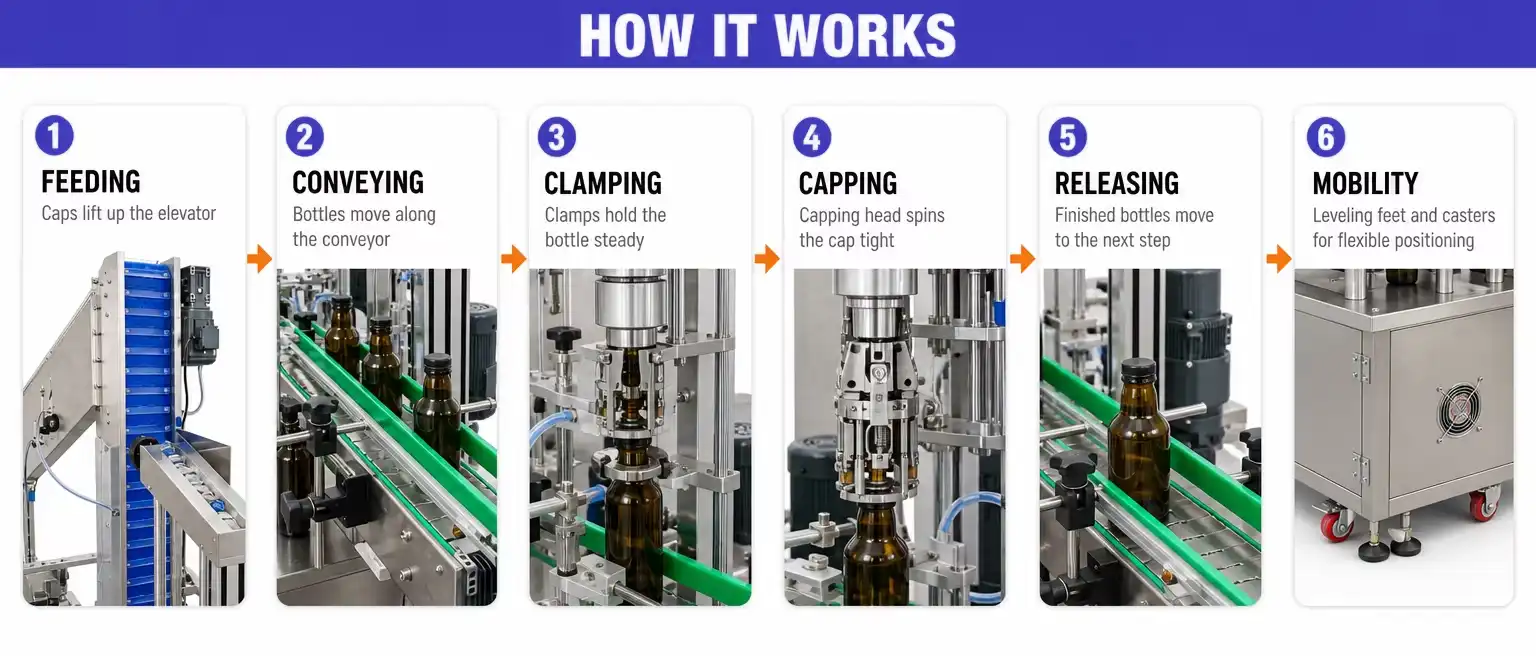
Automatic Bottle Capping Machine Working Principle
- The bottles are organized: a rotary bottle sorter neatly arranges the scattered empty bottles and feeds them onto the conveyor belt, where they are held in place by the chuck beneath the filling head.
- Filling is performed by a magnetic pump. Once filling is complete, the chuck removes the filled bottles while blocking the empty bottles.
- After filling, the bottles are sent to the capping chuck station, where they can be seen as they enter the chuck.
- A robotic arm picks up the inner stopper and presses it into the bottle opening.
- As the bottle passes through the cap-attaching head, the cap is attached. The caps are sorted via a vibrating plate, then fed into a chute and guided into the cap-attaching head. Next, let’s take a look at the capping section.
- After the cap is attached, the capping hammer presses it down to the bottom. The capping head uses a claw knife to seal the cap and bottle together as a single unit. This is the entire process. Although the products may vary, this is essentially how this capping machine works.
- The liquid filling and capping machine can not only fill bottles with liquids but also fill small vials with liquids, such as injections, disinfectants, various oral solutions, essential oils, cod liver oil, and more.
Specifications
The parameters of a capping machine are primarily determined by the bottle shape, cap specifications, and production speed. Below are the parameters for the capping machine:
| Bottle height | 30-300mm | |||
| Cap Diameter | 18-70mm | |||
| Botle Diameter | 20-160mm | |||
| Working speed | 20-60 bottles/minute (depending on bottle and cap size and shape) | |||
| Working voltage | AC220V/110V 50- 60HZ | |||
| Working pressure | 0.4-0.6MPa | |||
| Dimension | 1930x740x1600mm | |||
| Packing size | 2000x820x1760mm | |||
| Weight | 200KG | |||
Types capping machine
Capping machines can be classified based on cap type, capping method, and packaging container. The most common types include:
- Screw Capping Machine
This machine tightens plastic screw caps by rotation and is commonly used in production lines for PET bottles containing mineral water, fruit juice, beverages, dairy products, and more. - ROPP Capping Machine
This machine roll-forms aluminum ROPP caps to ensure a tight fit with the bottle’s threads and is commonly used in the packaging of alcoholic beverages, soft drinks, and certain pharmaceutical products. - Crown Capping Machine
Secures crown caps to bottle necks by pressing them into place; primarily used for glass bottle packaging of beer, soft drinks, and similar products. - Can Seaming Machine
Seals the metal can lid to the can body by crimping the edge; suitable for canning production lines for beverages, beer, food, and other products. - Press-On Capping Machine
Presses the cap directly onto the container; with a relatively simple structure, it is suitable for certain plastic caps, food cans, and personal care product packaging.
Details
The capping process may seem simple, but when it’s actually in operation, bottle positioning, capping force, and conveyor stability are all critical. Below are the details for the capping machine:


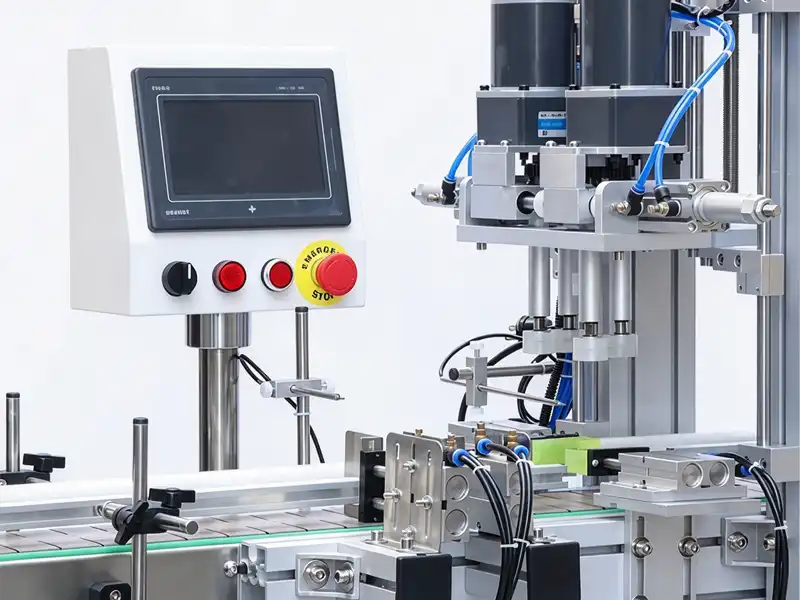


Features capping machine
When selecting an automatic capping machine, consider the guarding of moving parts and access to the capping mechanism. Refer to OSHA’s guidance on machine guarding requirements for additional information on machinery safety.
Stable Capping
Adjustable capping force to accommodate different bottle caps and bottle shapes.
Continuous Operation
Bottles are fed continuously via a conveyor belt, making it ideal for production lines.
Adjustable Speed
Capping speed can be adjusted according to production line capacity.
Bottle Positioning
The positioning mechanism minimizes bottle misalignment, ensuring more accurate capping.
Easy Changeover
Adaptable to different containers by replacing relevant components.
Simple Operation
The control panel and knobs are intuitive, making machine setup easy.
Application capping machine
The capping machine can process a wide variety of bottled and canned products, with specific configurations depending on the containers and caps. Common applications include beverages, dairy products, beer, cooking oil, food, and personal care products.
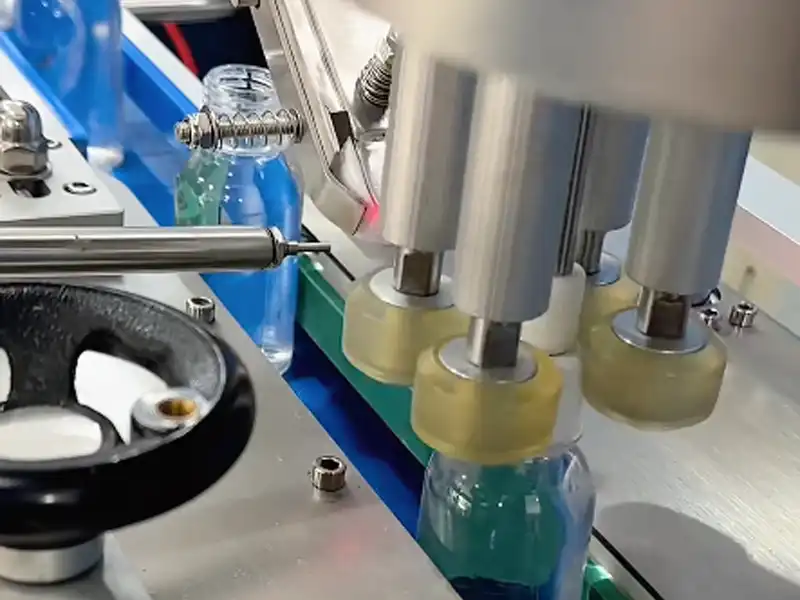
Bottled Water
Production of PET-bottled water, such as mineral water and purified water, typically uses high-speed capping methods.
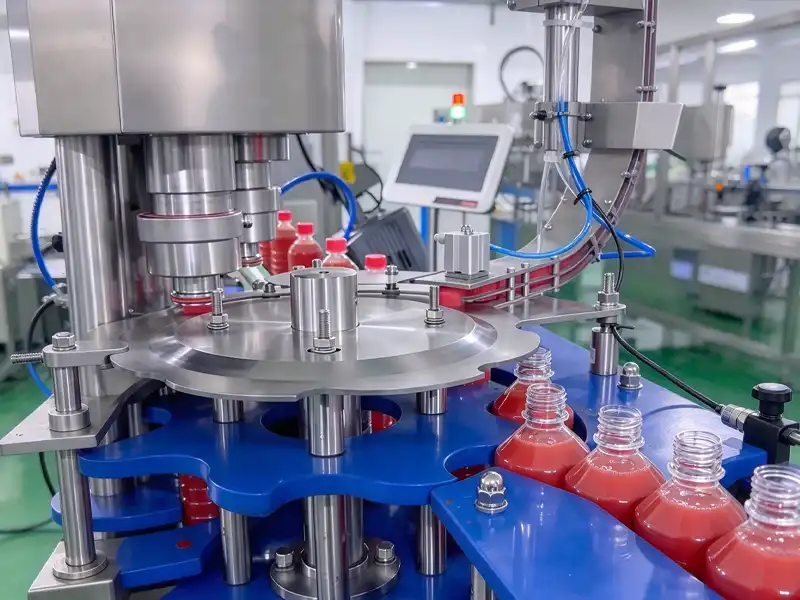
Juice & Beverages
Juice, tea beverages, and other drinks are rapidly capped by a capping machine after filling.
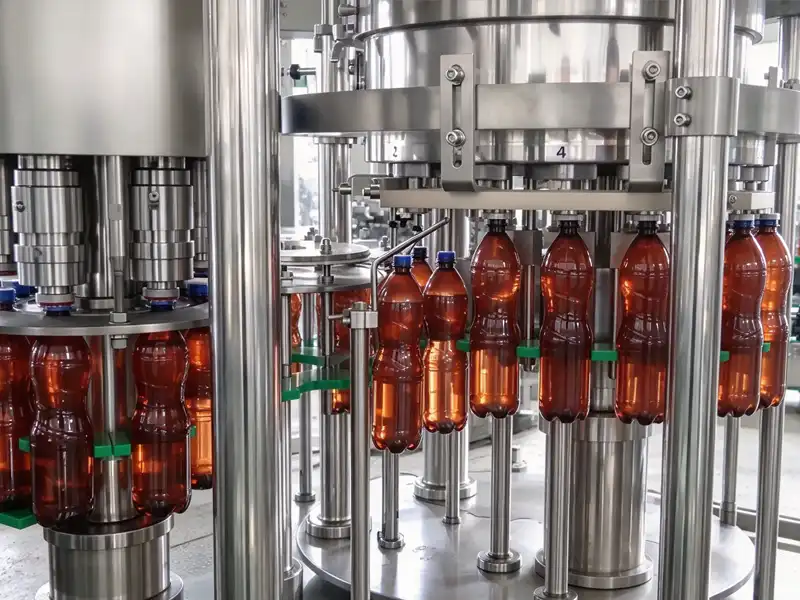
Carbonated Drinks
Carbonated beverages have high requirements for cap sealing; capping mechanisms can be configured according to cap specifications.
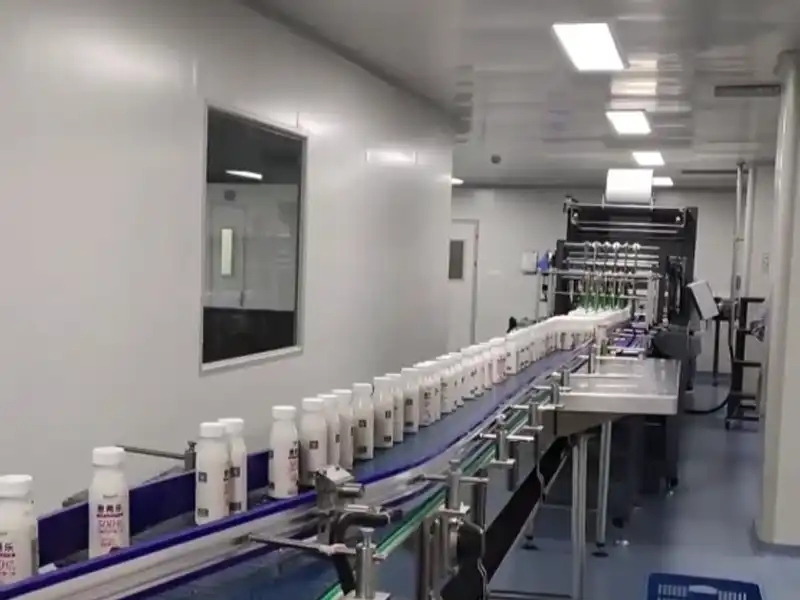
Milk & Dairy Products
Products such as milk and dairy beverages; capping equipment can be directly integrated into existing filling production lines.
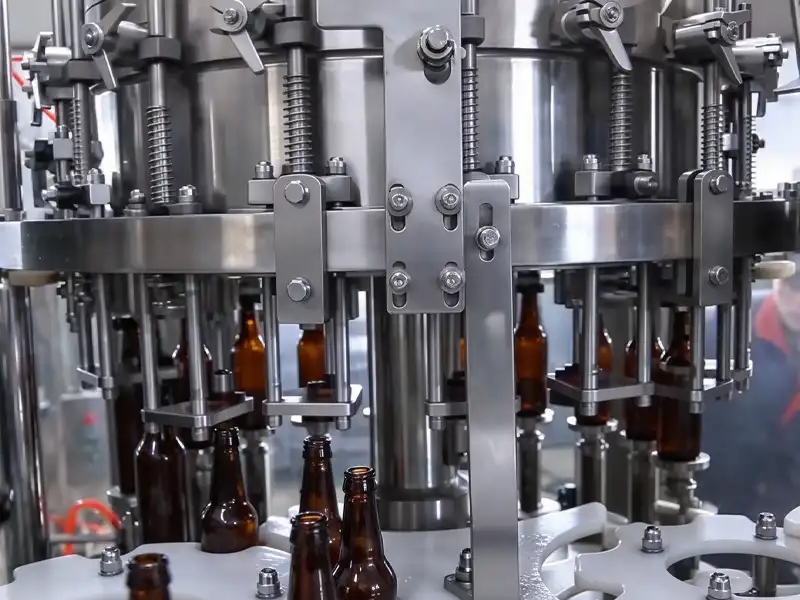
Beer
Glass-bottled beer commonly uses crown caps, though equipment can be selected based on the specific packaging format.

Edible Oil
Bottled products such as cooking oil and olive oil typically use screw caps, with a focus on controlling the capping torque.
Custom capping machine
The bottles, caps, and production capacity vary from one production line to another, so capping machines cannot simply be configured according to a single standard. When customizing a machine, the design is typically based on the customer’s bottle type and production requirements.
- Bottle Size
Adjust the equipment structure to accommodate variations in bottle height, diameter, and neck size, ensuring bottles of different specifications pass through smoothly. - Cap Type
Configure the appropriate capping mechanism for cap types such as screw caps, ROPP caps, and crown caps. - Capping Speed
Match the capping speed to the production capacity of the entire production line to prevent the capping machine from falling behind the upstream filling equipment. - Capping Torque
Adjust the capping torque for different cap types; caps that are too loose or too tight are not acceptable. - Conveyor System
Adjust the width, length, and height of the conveyor belts based on the floor layout to facilitate connection with existing equipment. - Line Integration
If integration with filling machines, labelers, or other conveying equipment is required, the system can be adapted to match the interfaces and operating modes of the entire production line.
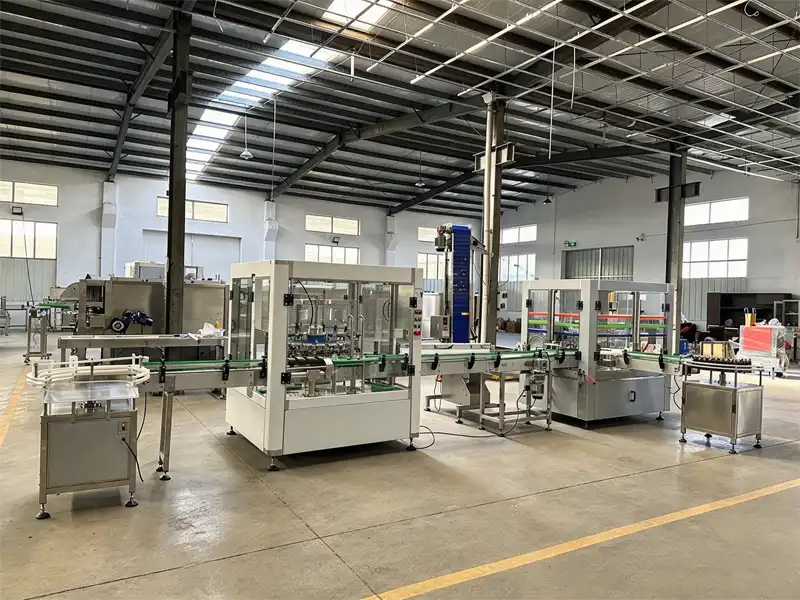

capping machine Manufacturer and Supplier
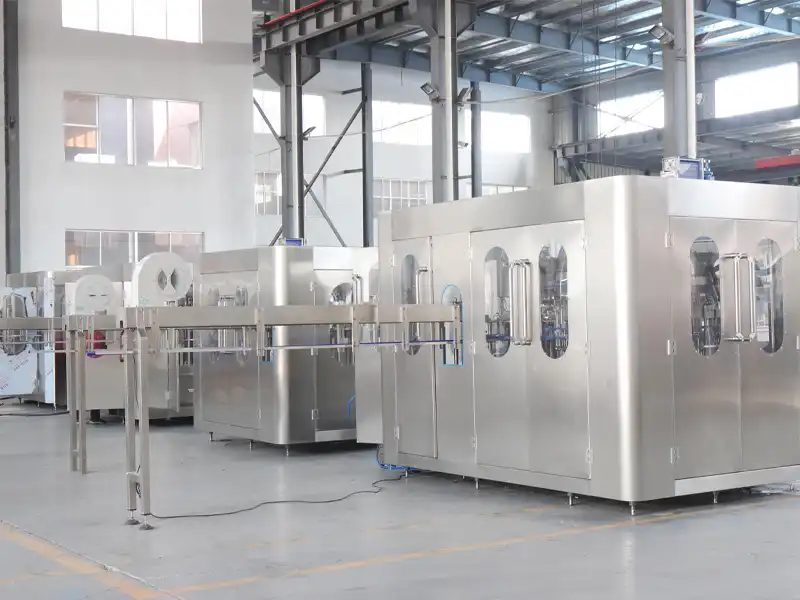
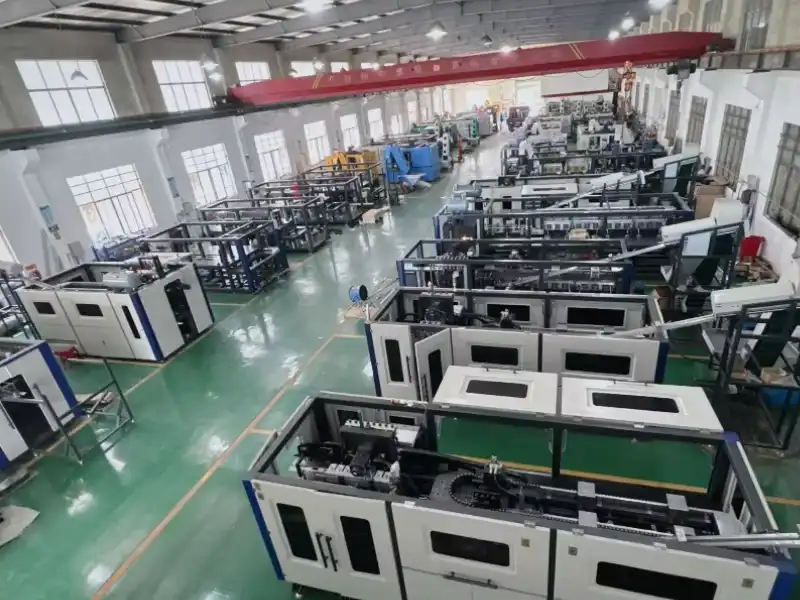
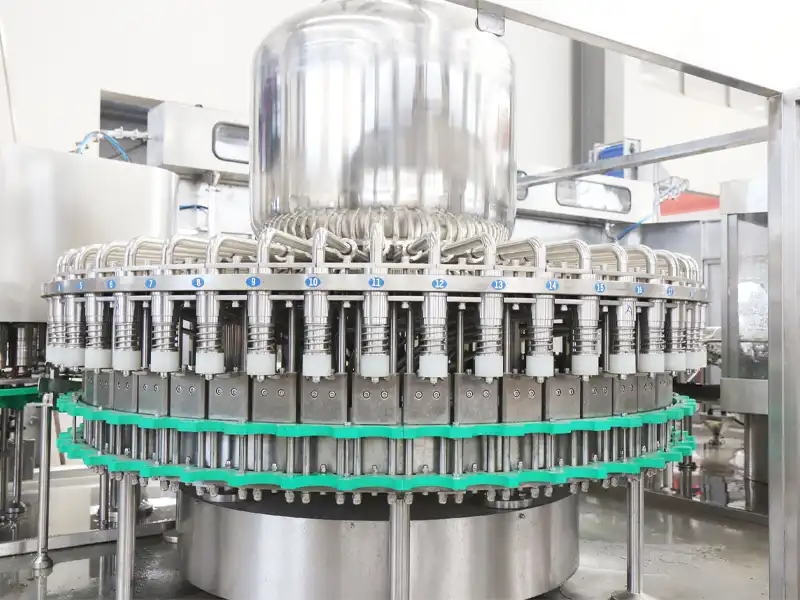
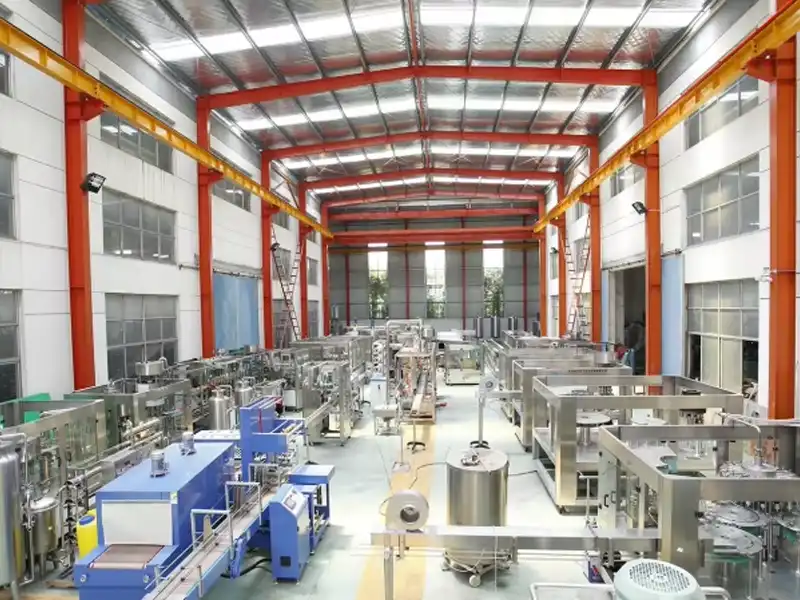
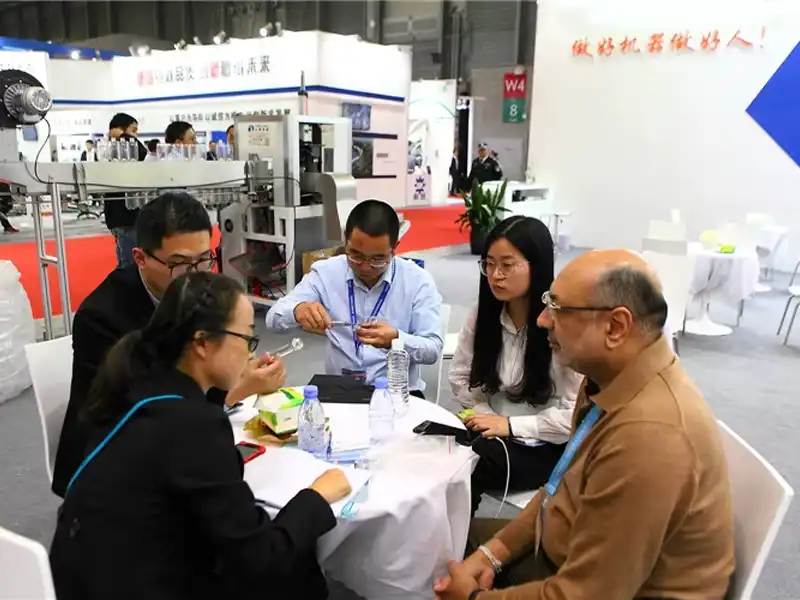
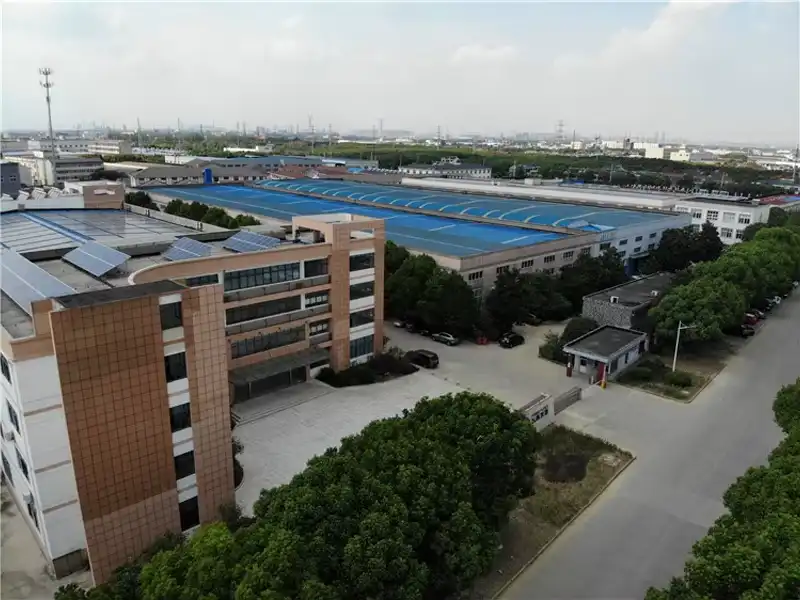
Snowy Owl Water is a professional capping machine manufacturer and supplier, offering capping equipment for bottled water, juice, carbonated drinks, milk, beer, edible oil, and other liquid products. Our range includes automatic capping machines, screw capping machines, ROPP capping machines, and crown capping machines for different bottle and cap types. Machine configurations are based on bottle dimensions, cap specifications, required output, and capping method, with options to suit different packaging requirements.
Depending on your production setup, a capping machine can operate independently or be integrated with filling machines, labeling machines, and other packaging equipment. Options such as automatic cap feeding, adjustable capping torque, and customized conveyor systems are available according to the project. From equipment selection and configuration to installation, commissioning, and technical support, our team works with you to find a suitable solution for your production line. Contact our engineers with your bottle size, cap type, and target production capacity to discuss the right capping machine configuration and request a quotation.
FAQs
Explore our FAQs to find expert answers regarding our advanced machinery, tailored manufacturing solutions,
and global technical support.
Contact us
A professional manufacturer of ultrafiltration water treatment plants, offering a complete range of water purification systems with flexible customization to meet the diverse needs of bottled water production.
- Custom Water Treatment Solution Design
- Free Professional Technical Consultation
- Complete Water Equipment Manufacturing
- Global Remote Installation Guidance
- Long-Term After-Sales & Spare Parts Supply
- OEM & ODM Customization Service OEM/ODM