
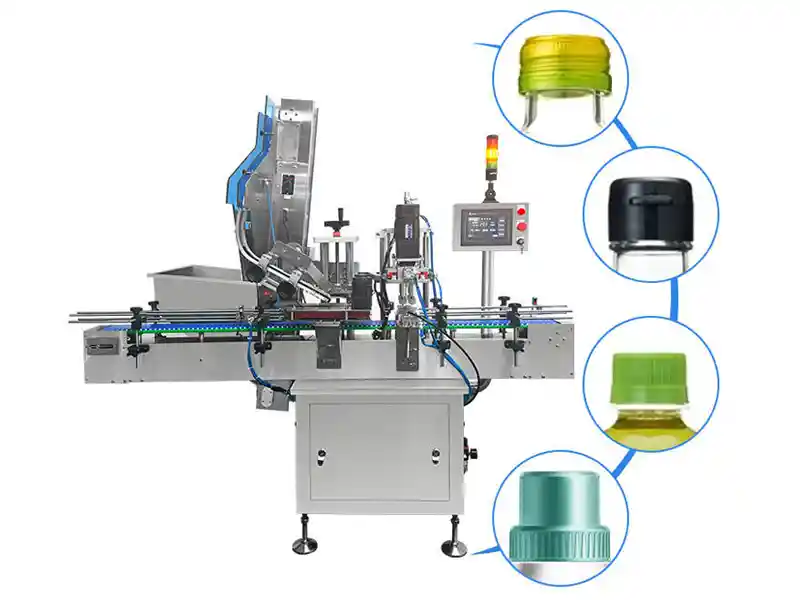
Screw Capping Machine Manufacturer for Bottling Lines
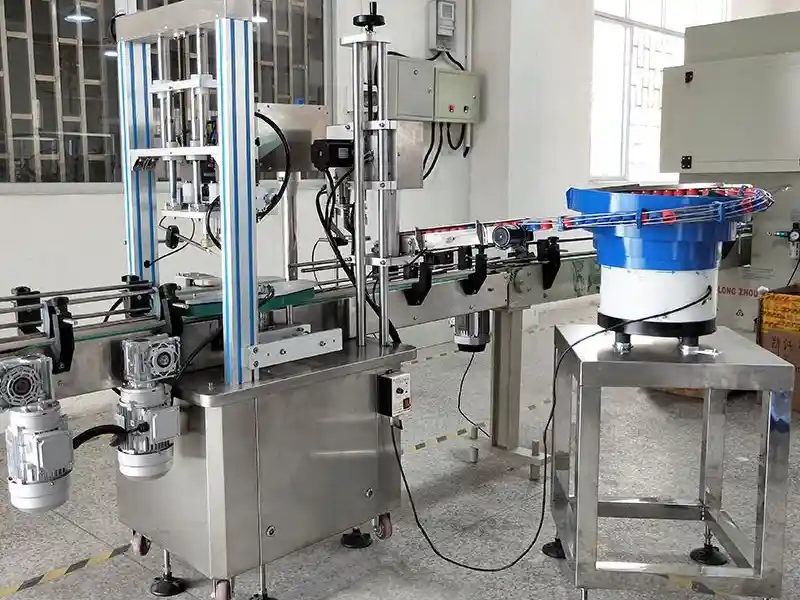
A screw capping machine is used to tighten threaded caps on bottled products and is commonly found on production lines for bottled water, juice, milk, and cooking oil. Once the bottles enter the capping station, the machine uses a capping head to tighten the caps; the capping torque can be adjusted according to the specifications of the caps and bottle necks. The machine can be used standalone or integrated with filling and labeling machines, making it suitable for continuous packaging production.
- Driven Type: Electric
- Voltage: 220 V, 380 V, 110 V
- Capping Speed: 50-100 bottles/min
- Applicable Bottle Diameter: 30-120 mm
Introduction
A screw capping machine, also known as a screw cap capping machine or a screw cap sealer, is a packaging machine primarily used for automatically tightening or loosening screw caps. Mainstream models can accommodate bottle caps with diameters ranging from approximately 20-120 mm, with typical production capacities of about 50 to 120 bottles per minute; some high-speed models can reach 180 to 200 bottles per minute, maintaining a capping pass rate of over 99.5%. Depending on the production line configuration, automatic screw capping machines can process up to several thousand bottles per hour; specific throughput depends on the equipment model and cap type.
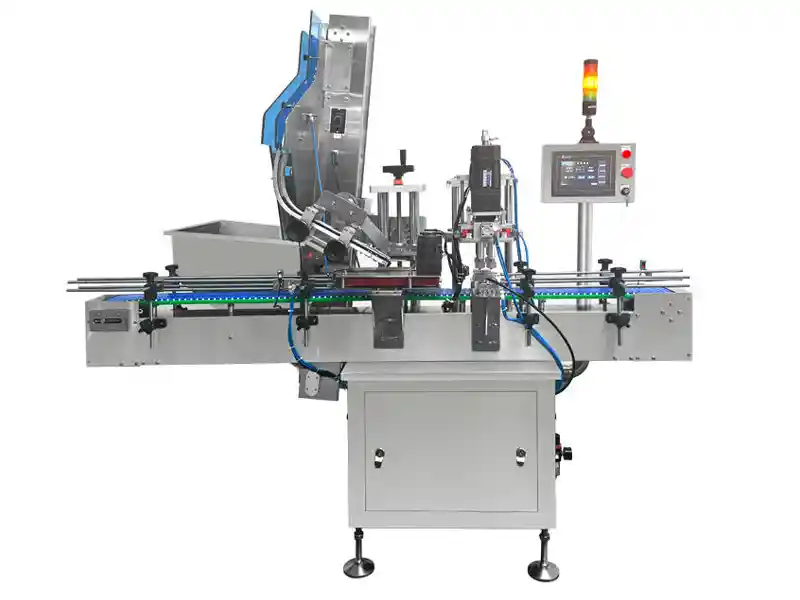
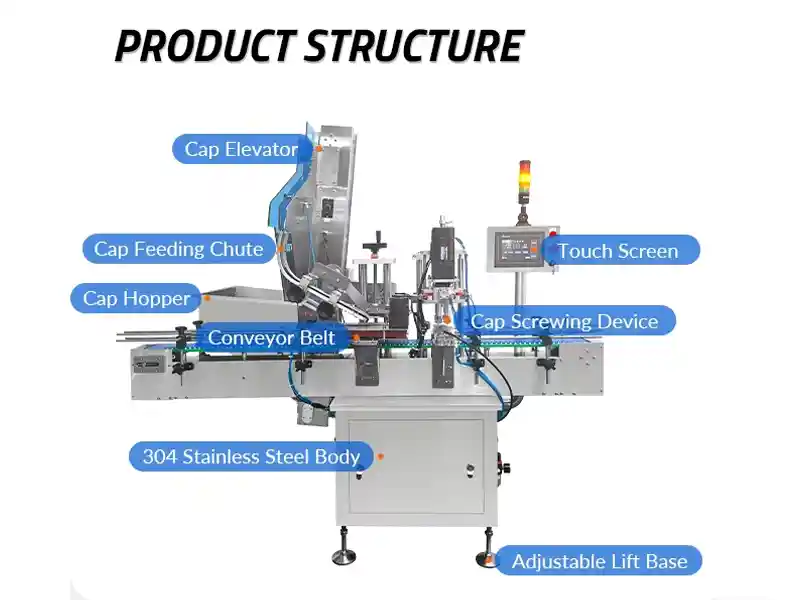
Structure screw cap capping machine
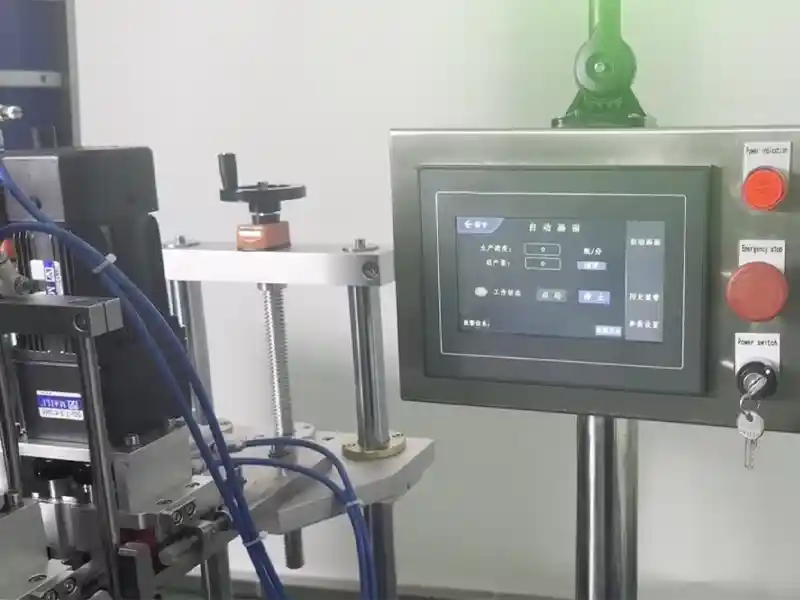
- Control Panel: Sets operating parameters and adjusts capping speed and torque.
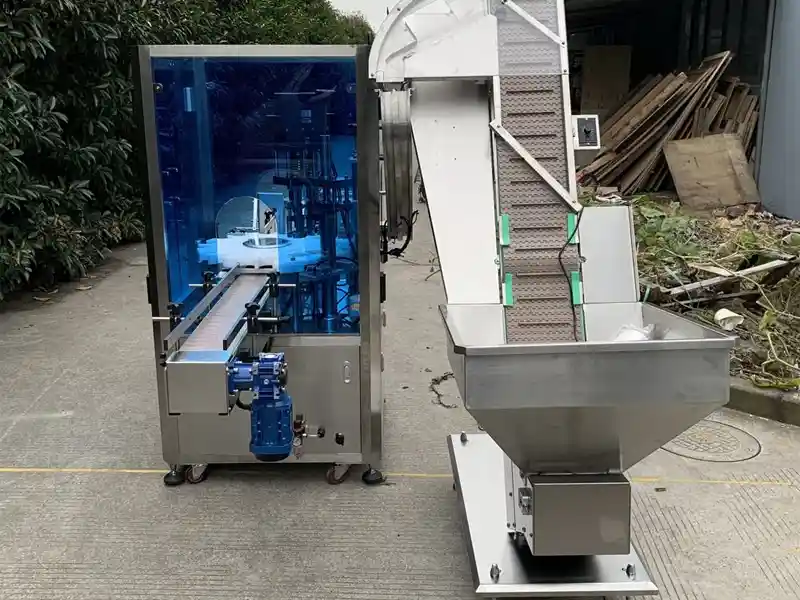
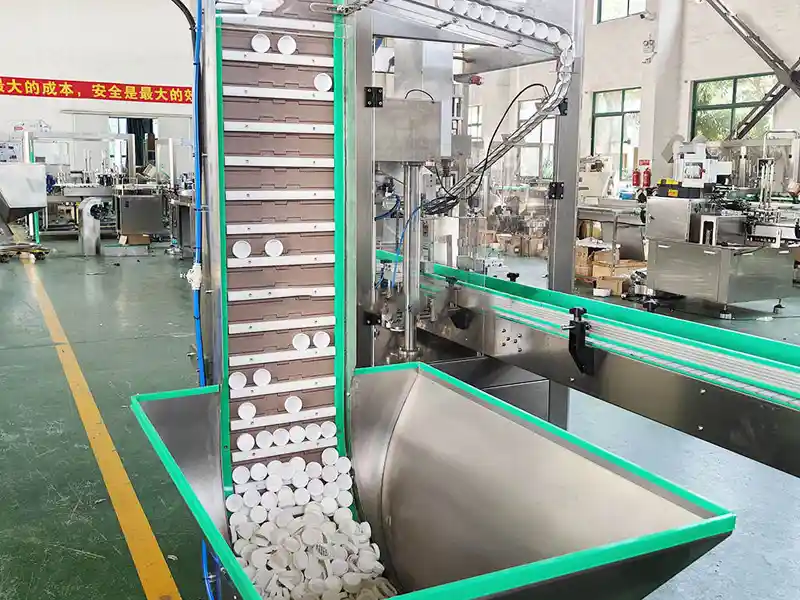
- Cap Sorting System: Aligns the caps for proper orientation to facilitate subsequent conveyance.
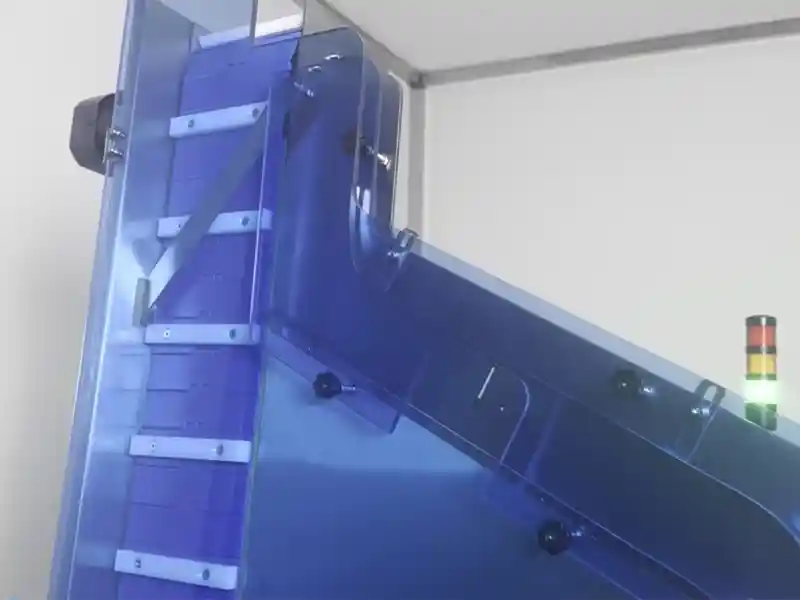
- Cap Feeding System: Conveys caps to the capping station.
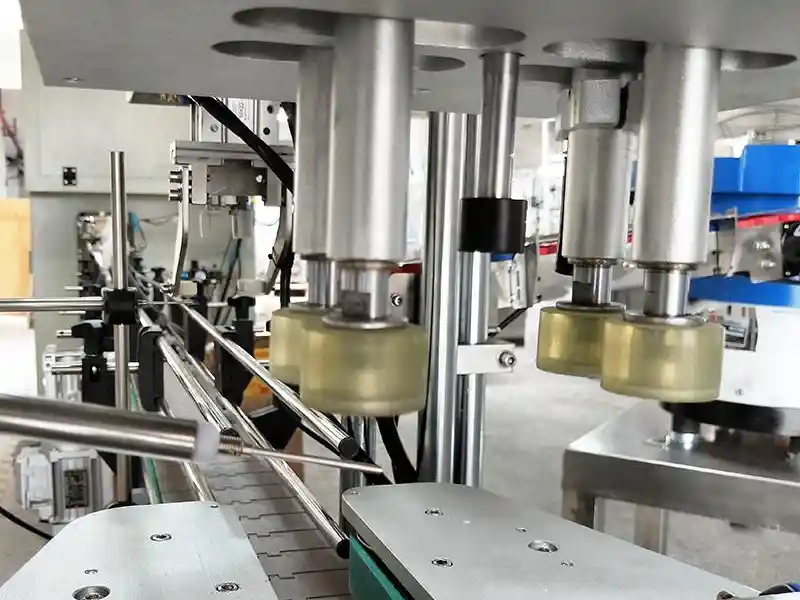
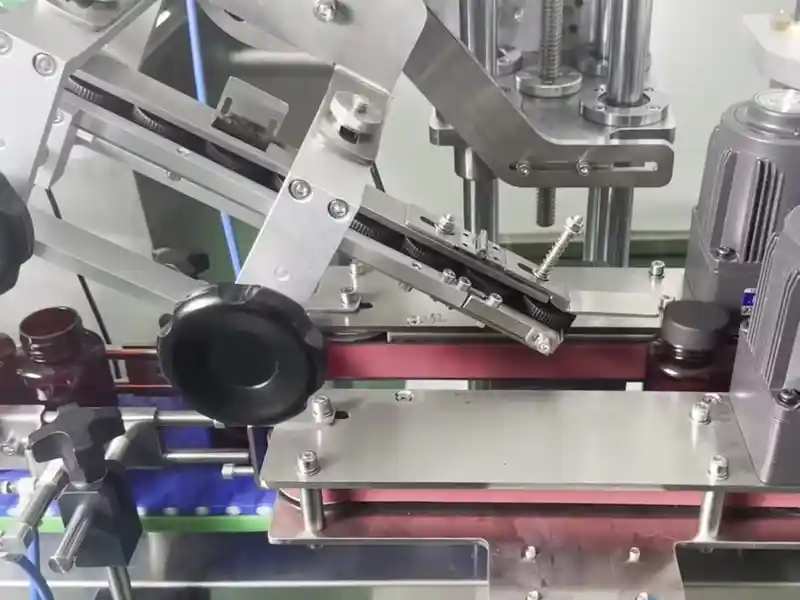
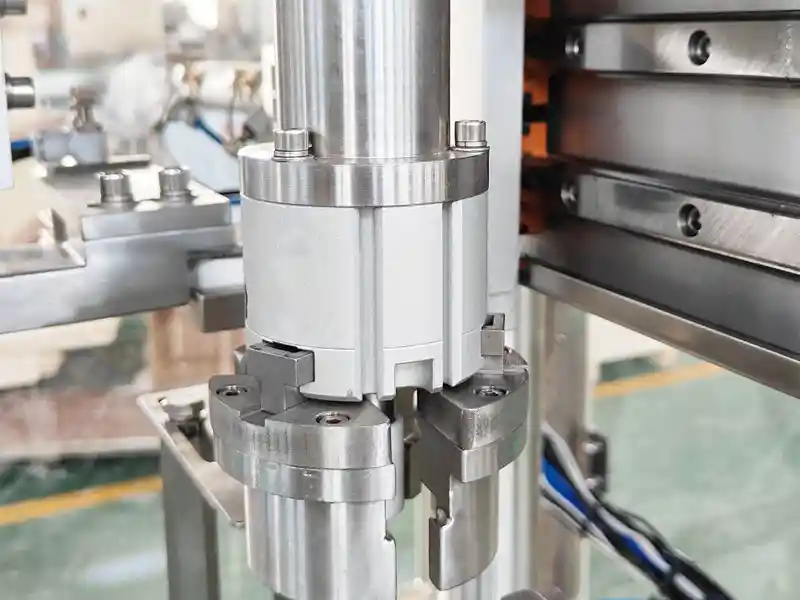
- Capping Head: Grips and rotates the cap to secure it tightly onto the bottle neck.
- Bottle Clamping System: Secures the bottle to minimize shaking during capping.
- Conveyor Belt: Continuously feeds bottles into and out of the capping station.
- Machine Frame: Supports all components of the equipment and ensures stable operation.
- Drive System: Provides power to the conveyor, cap feeding, and capping mechanisms.
Structural Differences Among Various Types of Cap-Sealing Machines
| Type | Structural Feature | Applicable Cap Type |
|---|---|---|
| Torque-type | Friction slip discs to limit applied torque | Plastic screw caps |
| Gripper-type | Clamping jaws grip and rotate caps, delivering the best centering accuracy | Screw caps |
| Roll-on crimp type | Roller wheels press and crimp the cap edge for sealing | Aluminum caps, tamper-evident anti-theft caps |
| Spindle wheel type | Three sets of stepped rubber spindle wheels, arranged in descending height order | Plastic threaded caps, pump/dispenser caps |
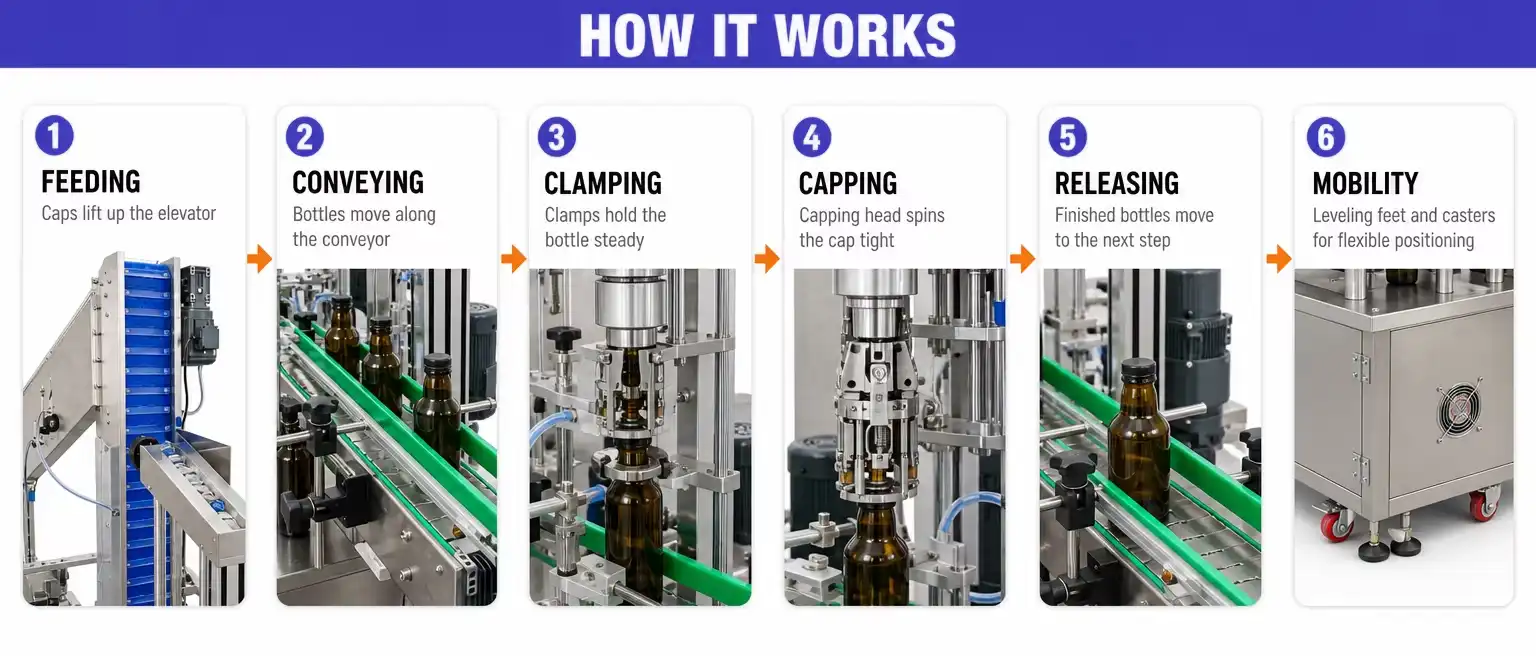
Automatic screw capping machine Working Principle
- Cap Sorting and Feeding: A vibrating feeder or cap sorter aligns the bottle caps, which are then continuously fed via a conveyor track.
- Cap Placement and Initial Capping: The caps are positioned above the bottle neck and initially placed on the bottle to facilitate subsequent tightening.
- Bottle Clamping and Positioning: A bottle clamping belt or gripping device secures the bottle, ensuring the bottle neck remains aligned with the capping head to minimize shaking during capping.
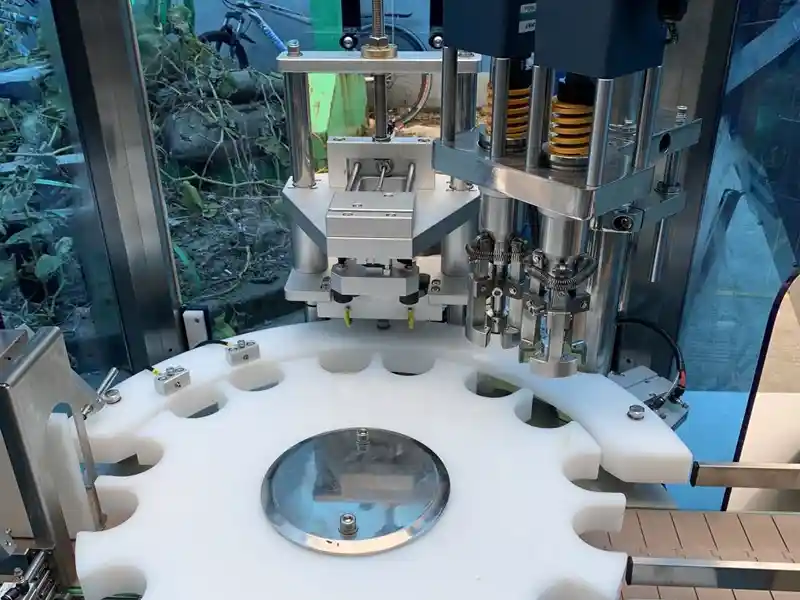
- Rotational Capping: The capping head grips the cap and rotates it to tighten it. Some models use a cap-gripping wheel mechanism; taking the common cap-gripping design as an example, two sets of cap-gripping wheels rotating in opposite directions grip both sides of the cap and quickly tighten it onto the bottle neck. Compared to traditional claw-type capping, this prevents issues such as scuffing or cap damage. It is suitable for continuous capping operations.
- Bottle Discharge: Bottles that have been capped are conveyed via the conveyor belt to the next process, such as labeling or packaging.
Specifications
The parameters for a screw capping machine vary depending on the bottle type, cap specifications, and production speed. When selecting a machine, focus on the following technical parameters to determine whether the equipment is suitable for your existing filling line and specific production requirements.
| Item | Specification | Item | Specification |
|---|---|---|---|
| Voltage | 220V 50HZ | Automatic Grade | Automatic |
| Driven Type | Electric | Packaging Type | Bottles |
| Packaging Material | Plastic, Paper, Metal, Glass | Application | Food, Bottle Sealing |
| Core Components | Motor | Warranty | 1 Year |
| Machinery Test Report | Provided | Video Outgoing Inspection | Provided |
| Key Selling Points | Low Noise Level | Place of Origin | China |
| Weight (kg) | 200 | Brand Name | Snowy Owl Water |
| Dimension(L*W*H) | 1360*850*1500mm | Model Name | Screw Capping Machine |
| Application | Ordinary cover / Cover with protective ring / Double cover Flip, etc. | Production Speed | 30-120 bottles/min |
| Applicable Specs | Custom Per Customer Samples | Gas Consumption | 0.6Mpa 3L/min |
| Frame Material | 304 Stainless Steel | Control | PLC + Touch Screen |
Details
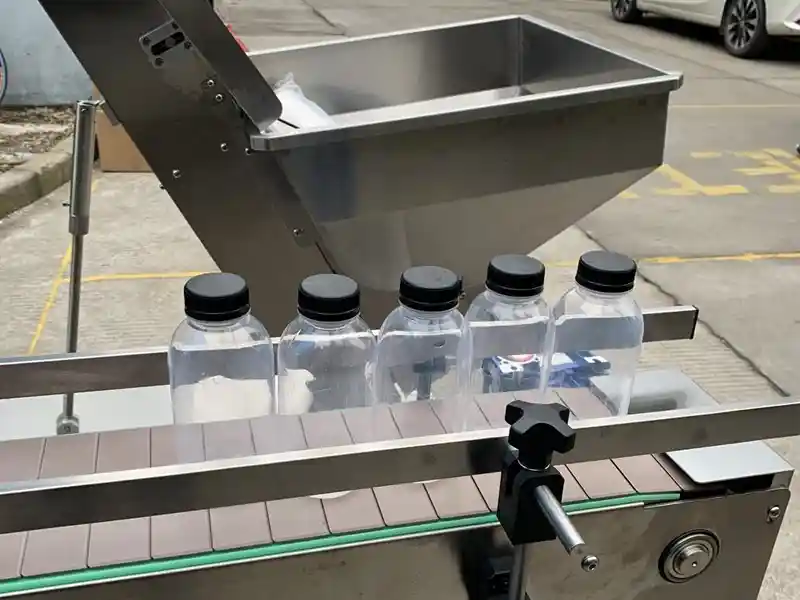
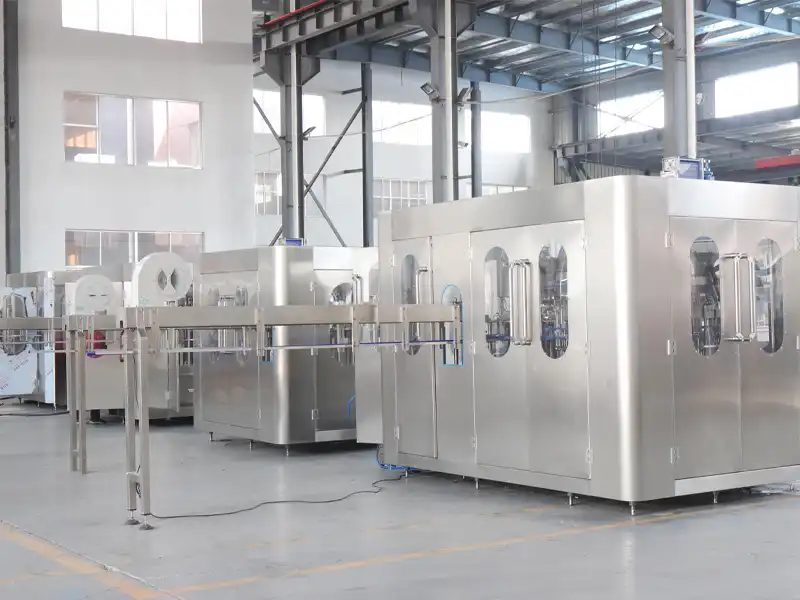
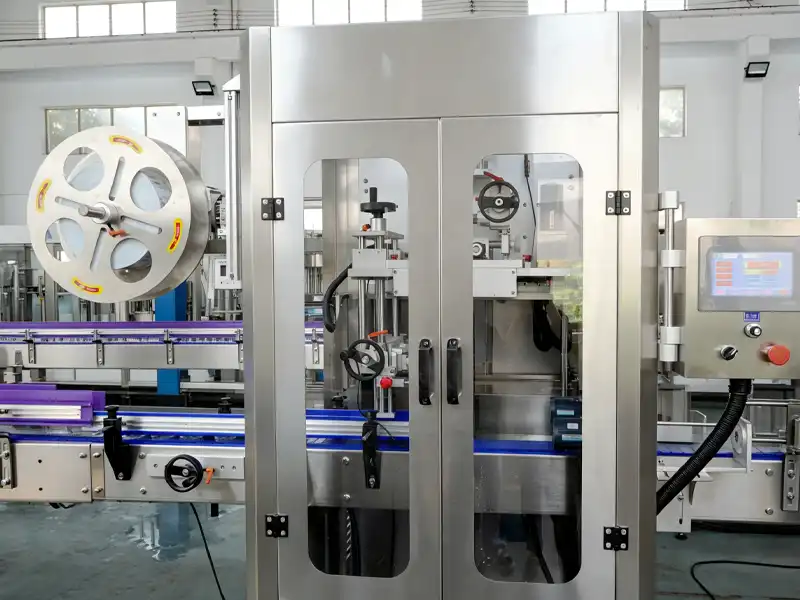
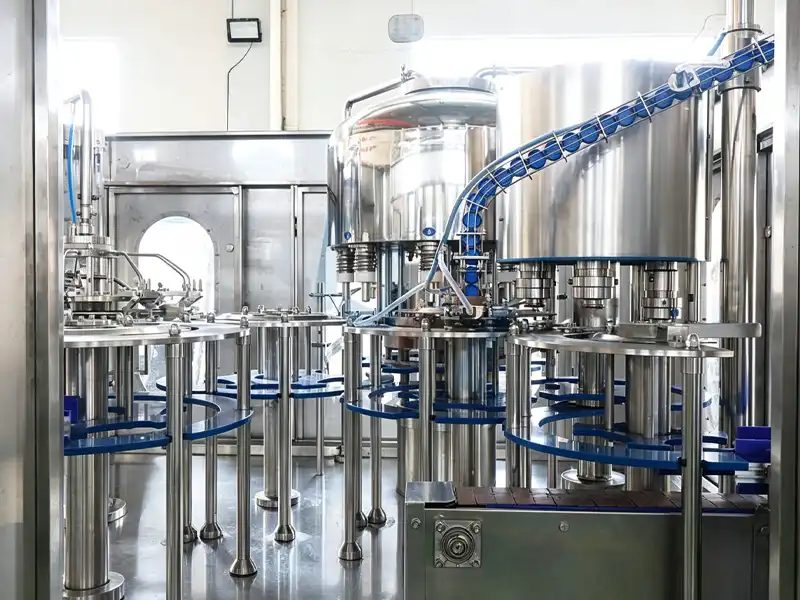
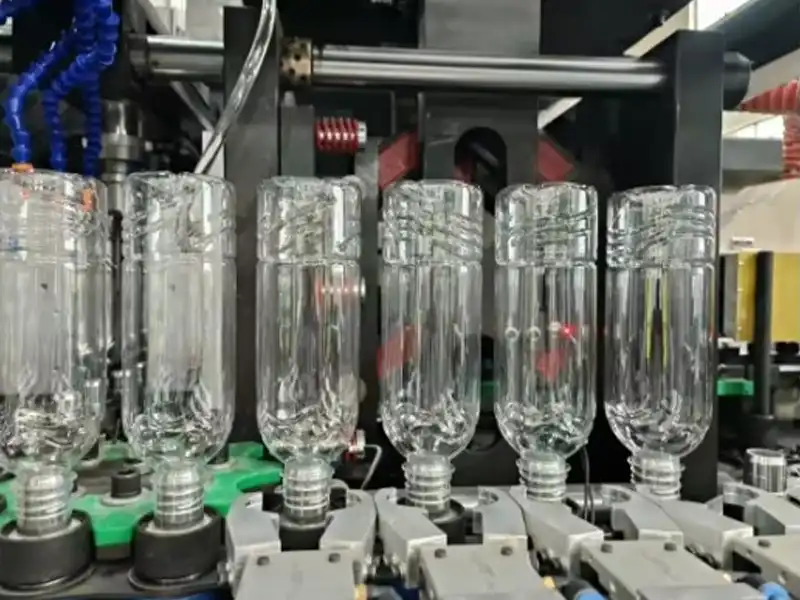
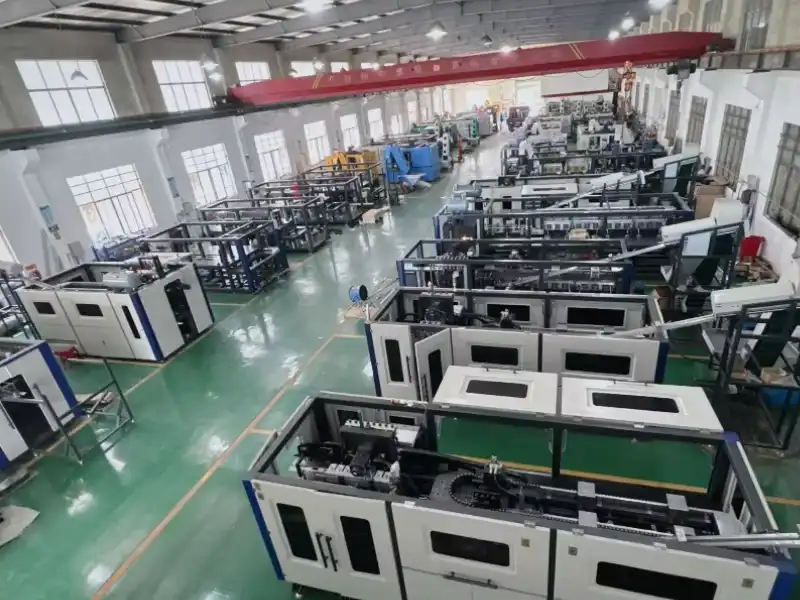
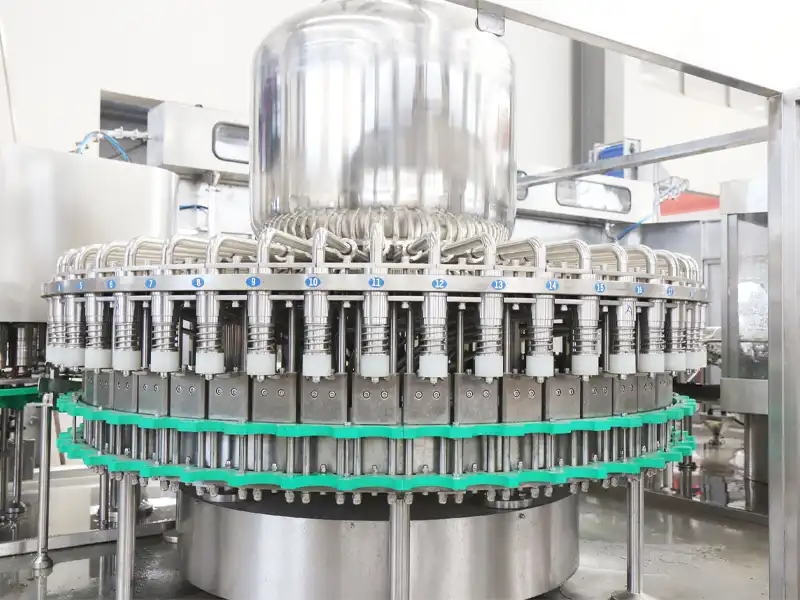
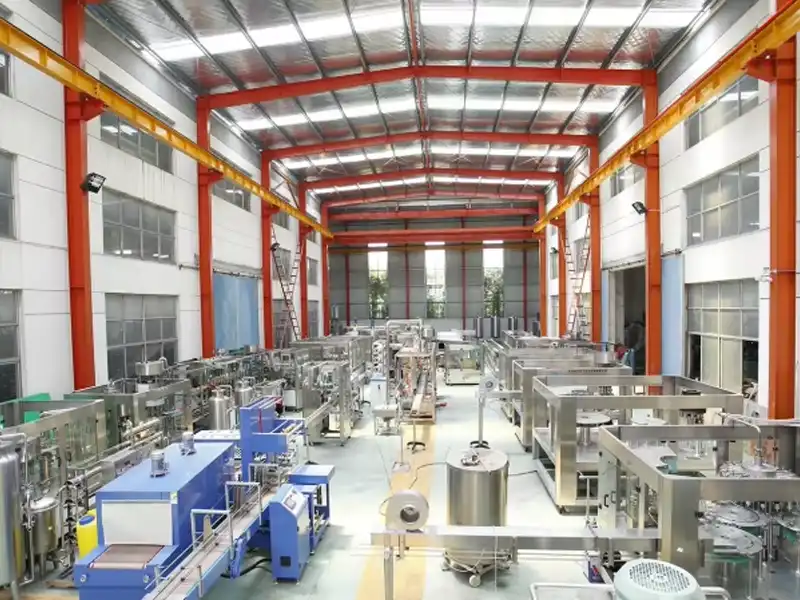
The detailed images below provide a clear view of the key components, manufacturing details, and capping mechanism of the screw cap sealer, helping you understand the equipment’s craftsmanship and actual configuration.
Features Screw Capping Machine
Wide Compatibility
Capping components can be swapped or adjusted to suit different cap specifications.
Consistent Sealing
The capping process is machine-controlled, ensuring uniform tightness across all caps.
Dust-Resistant
Equipped with specialized, high-dust-resistant photoelectric sensors.
Reliable Operation
Offers stable performance with low noise levels.
Production Line Integration
Easily integrates with filling machines, labeling machines, and conveyor systems.
Easy Maintenance
Operators can be quickly trained to disassemble, clean, and replace components.
Application Screw Capping Machine
Screw capping machines are primarily used to seal threaded caps on various bottled products and are commonly found in the packaging of beverages, food, and personal care products. Below are the applications for the screw capping machine:
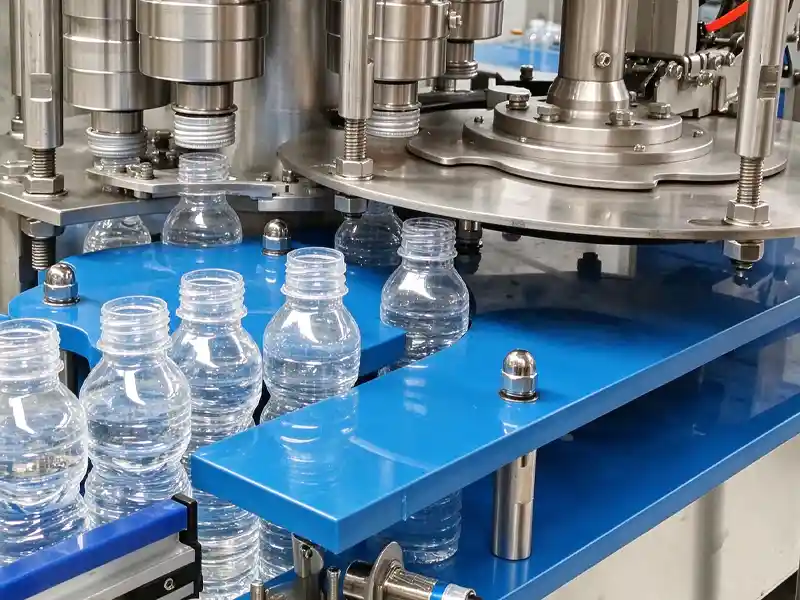
Drinking Water
Capping of bottled products such as mineral water and purified water.
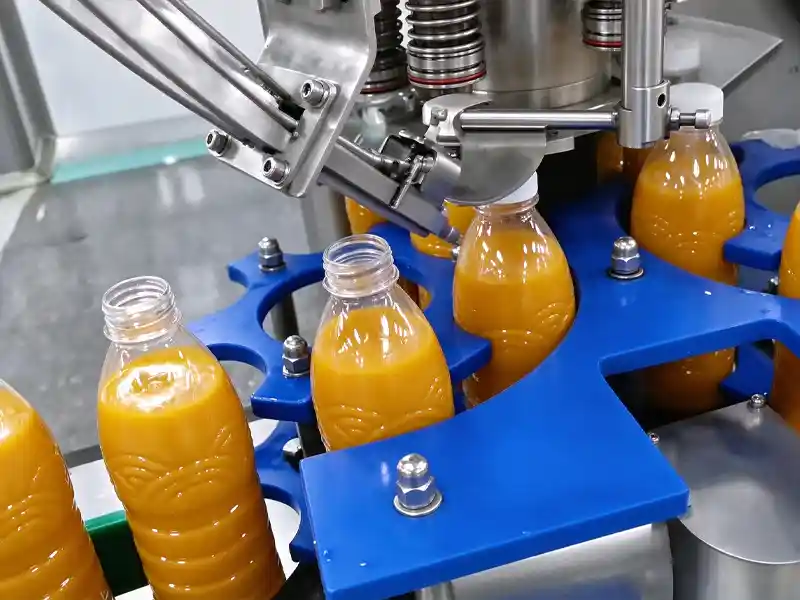
Juice Production
Tightening of caps on bottles containing fruit juices and fruit-flavored beverages.
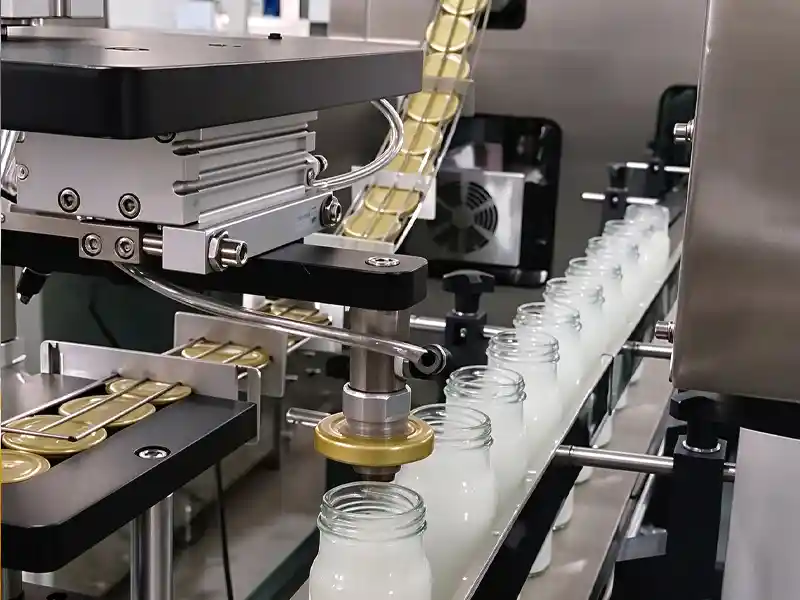
Dairy Products
Capping of bottled milk and other liquid dairy products, tailored to specific cap types and packaging requirements.
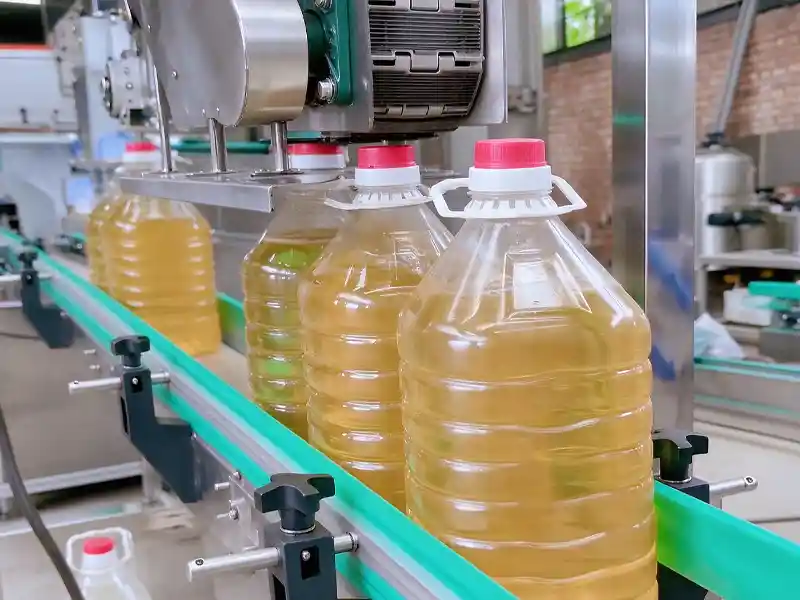
Edible Oil Packaging
Capping of edible oil bottles, helping to minimize the risk of leakage during transport and storage.
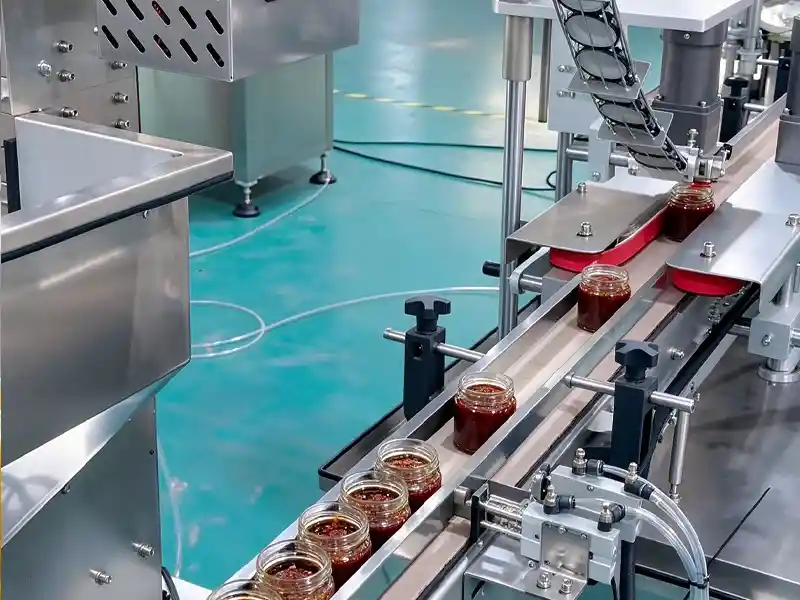
Condiment Packaging
Capping of bottled products with threaded closures, such as soy sauce, vinegar, and various sauces.
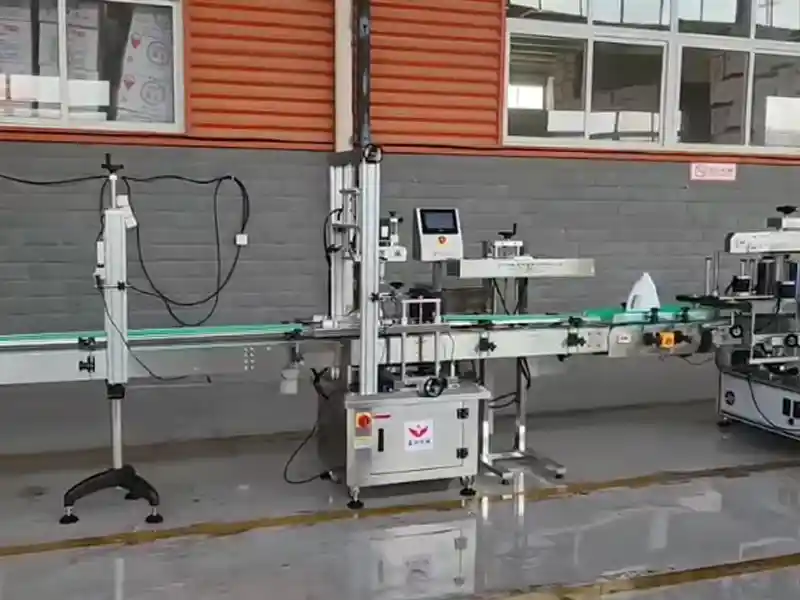
Daily Chemical Product
Capping of bottled items including shampoo, liquid detergents, and certain cleaning agents.
Custom Screw Capping Machine
The Screw Capping Machine can be customized based on the factory’s product type, cap specifications, and production speed. Since the requirements of different production lines vary, the equipment’s structure and configuration must be determined based on actual packaging conditions when selecting a model.
- Customizable Bottle Types: Adjust the bottle-clamping mechanism to accommodate plastic bottles, glass bottles, and various bottle shapes.
- Cap Specifications: Match the capping head to the cap’s diameter, height, material, and thread specifications.
- Production Speed: Select the appropriate capping capacity based on hourly filling volume and packaging requirements.
- Automation Configuration: Configure automatic cap sorting, feeding, and placement devices as needed to reduce manual labor.
- Production Line Integration: Adjust bottle infeed and outfeed methods based on the layout of existing filling machines, conveyor belts, and labeling equipment.
- Equipment Materials: Select appropriate materials for the machine body and contact parts based on product characteristics and the factory production environment.
- Factory Layout: Adjust equipment dimensions and layout based on on-site space, conveyor direction, and installation conditions.
For food and beverage packaging, bottle caps and other food-contact materials should meet the applicable requirements for the target market. Refer to the FDA food contact substances guidance for more information.
cappScrew Capping Machine Manufacturer and Supplier
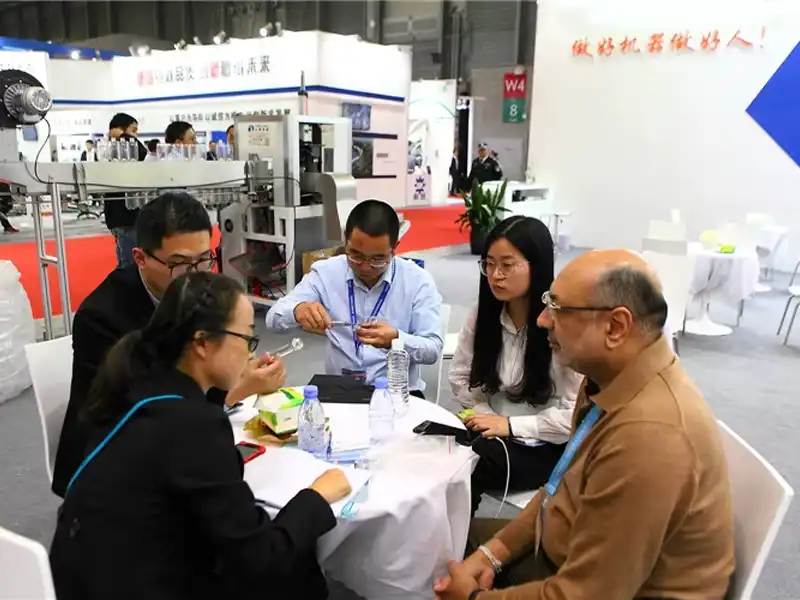
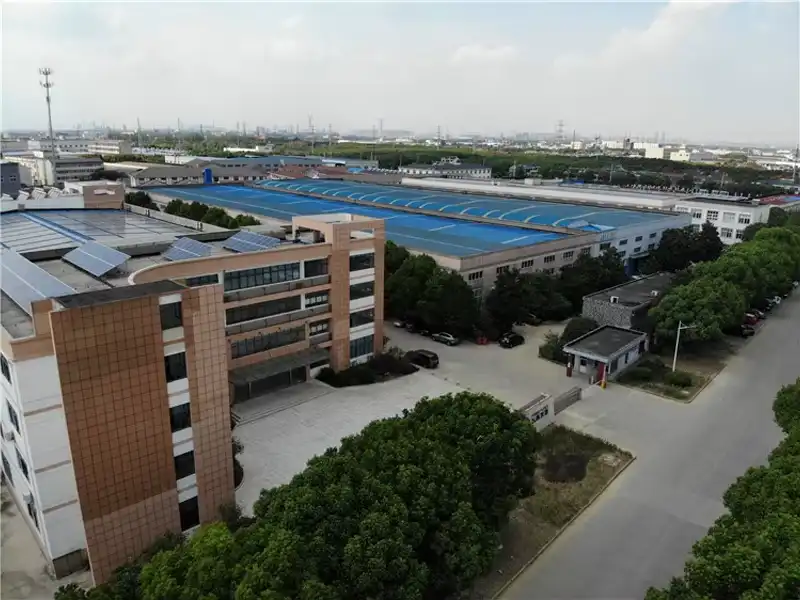
Snowy Owl Water is a screw capping machine manufacturer and supplier for bottled water, juice, milk, edible oil, and other liquid products. Our screw capping machines are designed to tighten threaded caps on plastic or glass bottles, with configurations selected according to bottle dimensions, cap specifications, and required production speed.
Depending on your production needs, a screw capping machine can work as a standalone unit or connect with filling machines, labeling machines, and conveyor systems. Options such as automatic cap feeding, adjustable capping torque, and customized bottle handling can be selected to suit different packaging requirements. Our team works with you on equipment selection, line integration, installation, and commissioning. Contact our engineers with your bottle size, cap type, and target output to discuss a suitable configuration and request a quotation.
FAQs
Explore our FAQs to find expert answers regarding our advanced machinery, tailored manufacturing solutions,
and global technical support.
Contact us
A professional manufacturer of ultrafiltration water treatment plants, offering a complete range of water purification systems with flexible customization to meet the diverse needs of bottled water production.
- Custom Water Treatment Solution Design
- Free Professional Technical Consultation
- Complete Water Equipment Manufacturing
- Global Remote Installation Guidance
- Long-Term After-Sales & Spare Parts Supply
- OEM & ODM Customization Service OEM/ODM