Introduction
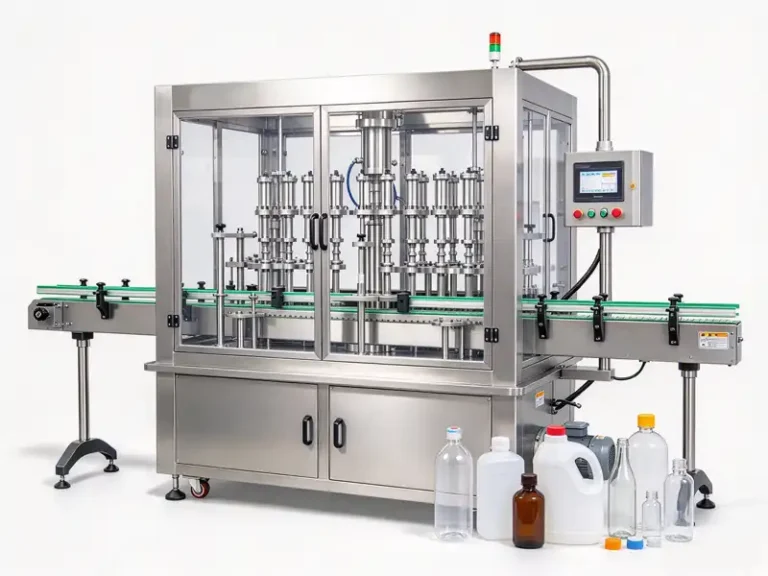
When first entering this industry, many people tend to think of a “filling line” as a single machine responsible for “filling.” In reality, it’s not that simple. A true filling line is often a complete set of continuously operating equipment—from product handling and empty bottle conveyance to washing, filling, capping, labeling, and subsequent packaging—with each stage seamlessly linked to form a comprehensive production process. This is precisely why, when purchasing equipment, you may find yourself looking at not just a single filling machine, but an entire filling production line. Depending on the product, bottle type, output, and automation requirements, the specific equipment configuration will vary. For example, while bottled water production lines and carbonated beverage production lines both involve “filling,” the actual filling technologies and equipment configurations used can differ significantly.
So, how exactly should we understand a filling line? How does it differ from a standard filling machine? What equipment does a complete filling line typically include, and what is the operational process?
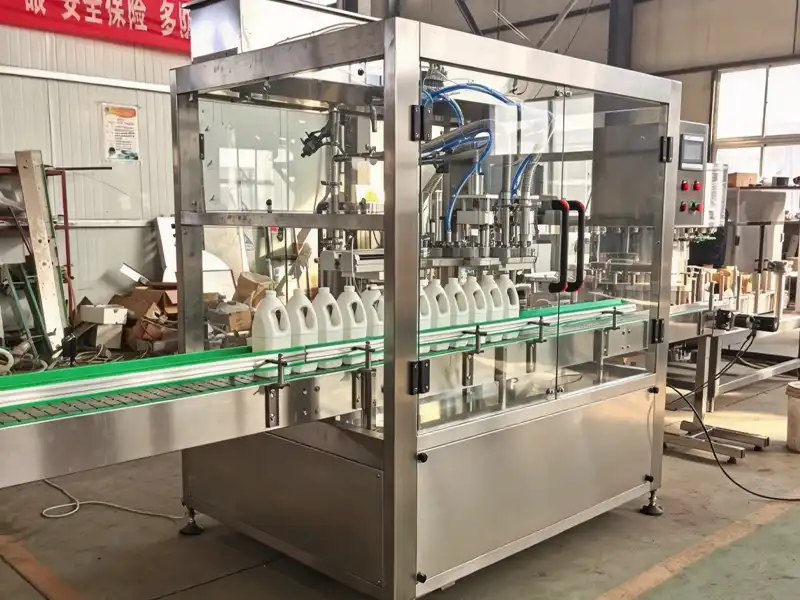
Table of Contents
What Is a Filling Line?
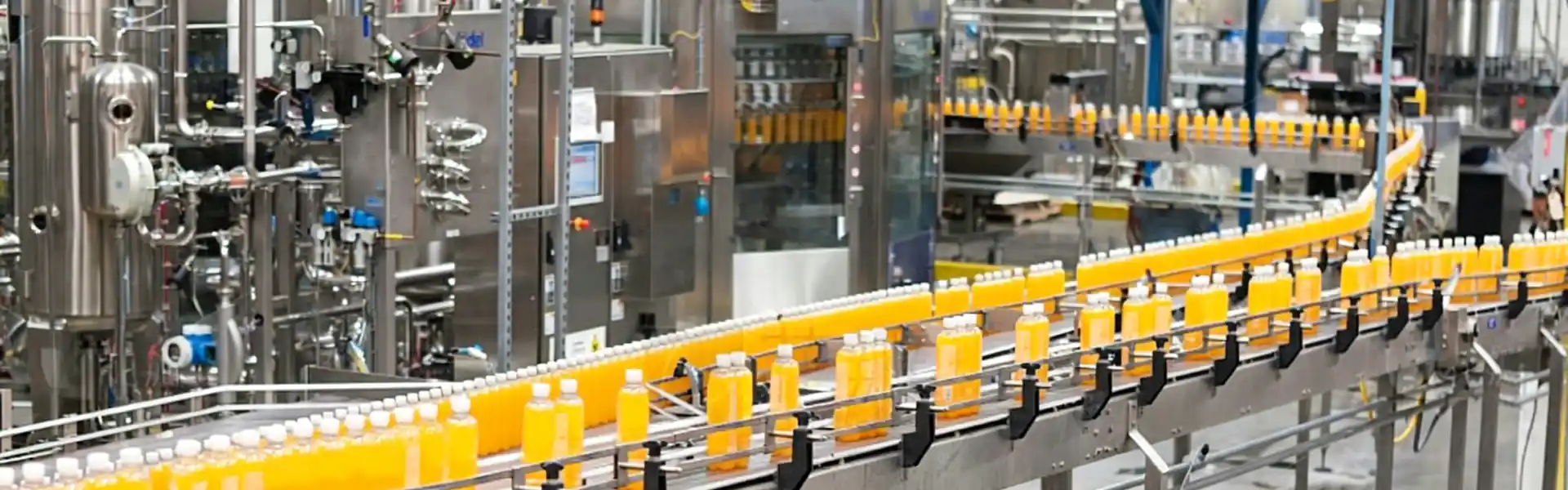
Simply put, a filling production line is a system of equipment that fills liquid products into bottles, cans, or other containers, integrating processes such as rinsing, filling, capping, labeling, inkjet coding, and packaging. It is commonly used for the bottling of liquid products such as beverages, sauces, personal care products, and edible oils. For small-to-medium-sized 500-ml bottles, typical production capacities range from 3,000 to 12,000 bottles per hour, with filling accuracy generally maintained within ±0.5%. The entire production line operates via PLC-controlled coordination, significantly reducing manual intervention and completing the entire process—from empty bottle feeding to finished product output—in a single continuous operation.
It differs from a standalone filling machine, which is primarily responsible for the filling process, whereas a filling line places greater emphasis on the continuous coordination among multiple pieces of equipment.
How Does a Filling Line Work?
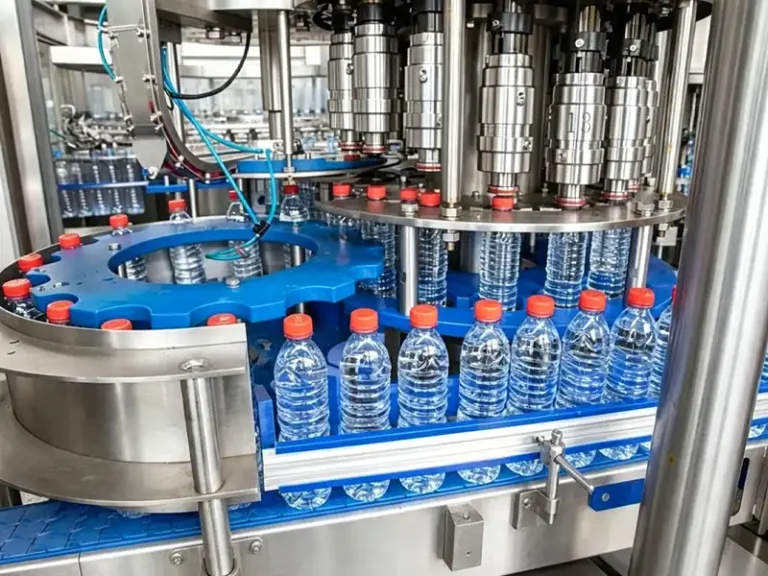
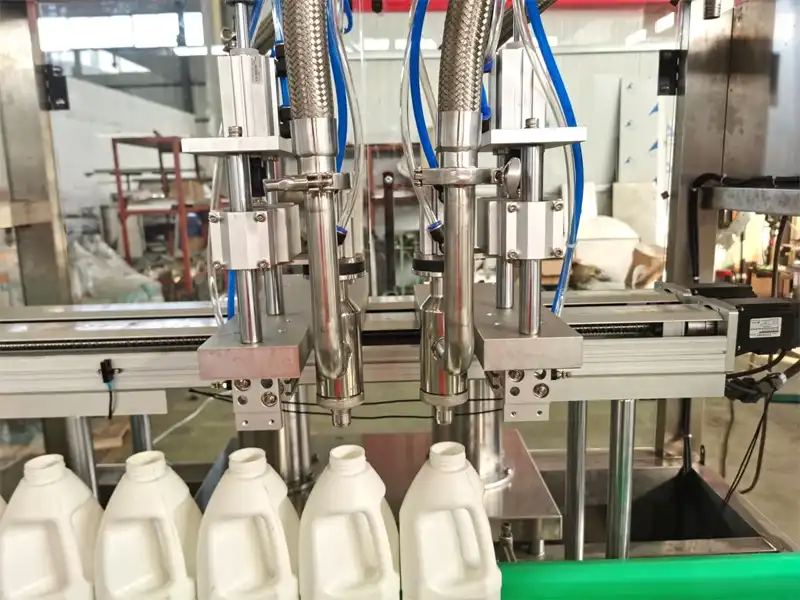
This filling production line uses a conveyor belt to transport empty bottles to the washing station. After impurities are removed through high-pressure rinsing, the bottles proceed to the filling stage. Depending on specific product requirements, metering pumps or flow meters are used to precisely control the amount of liquid dispensed. The bottles are then sent to the capping/sealing area; some production lines are also equipped with inspection devices that automatically reject defective products—such as those with liquid leaks or missing caps—to ensure a tight seal. Finally, labels and information such as the production date are applied to the packaging, completing the entire process.
What Machines Are Included in a Filling Line?
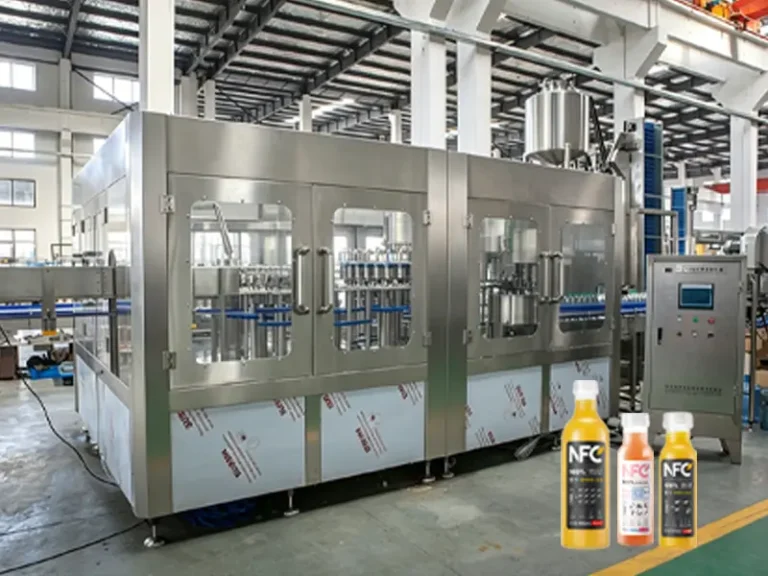
An Automatic Filling Line typically includes a filling machine, capping unit, labeling machine, conveyor system, and sometimes sealing or packaging equipment. Each component works together to create a smooth and continuous production process with minimal manual intervention.
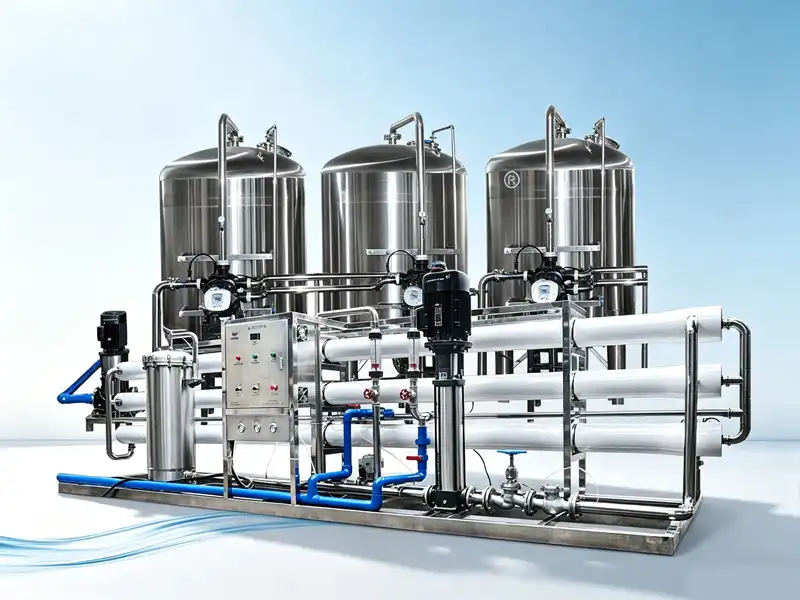
Part 1: Water Treatment System (Providing Qualified Water for Filling)
- Pretreatment System: Includes multimedia filters, activated carbon filters, water softeners, and other components to remove sediment, suspended solids, residual chlorine, odors, and some hardness from the raw water.
- Core Purification System: Typically employs reverse osmosis (RO) or nanofiltration (NF) units to thoroughly remove ions, organic compounds, microorganisms, and other contaminants, producing purified water.
- Disinfection System: Performs final disinfection of the purified water, commonly using an ozone generator or a UV sterilizer. Ozone disinfection is the most widely used method due to its sustained disinfecting capability and the fact that it leaves no residues.
- Sterile Storage Tank: Stores the disinfected finished water. The tank is typically made of stainless steel and equipped with a sterile breather to ensure the water remains uncontaminated during storage.
Part 2: Filling and Packaging System (Filling Bottles with Water and Completing the Packaging Process)
Preform and Blow Molding Unit
- Preform Dehumidifier: Removes moisture absorbed by the preforms during storage.
- Fully Automatic Blow Molding Machine: Shapes PET preforms into bottles of the desired specifications through heating, stretching, and high-pressure blow molding. It can be directly connected to the filling line to achieve “blow-fill integration,” saving space and preventing secondary contamination.
Empty Bottle Conveyance and Handling Unit
- Air Conveyor Belt/Air Conveyor: Uses clean air to transport bottles from the blow molding machine to the filling machine in a sterile and gentle manner, preventing the bottles from coming into contact with contaminants.
- Bottle Neck Rinser (optional but recommended): Rinses the inside of the bottle neck with high-pressure sterile water prior to filling to ensure absolute cleanliness in the filling area
Core Filling and Capping Unit
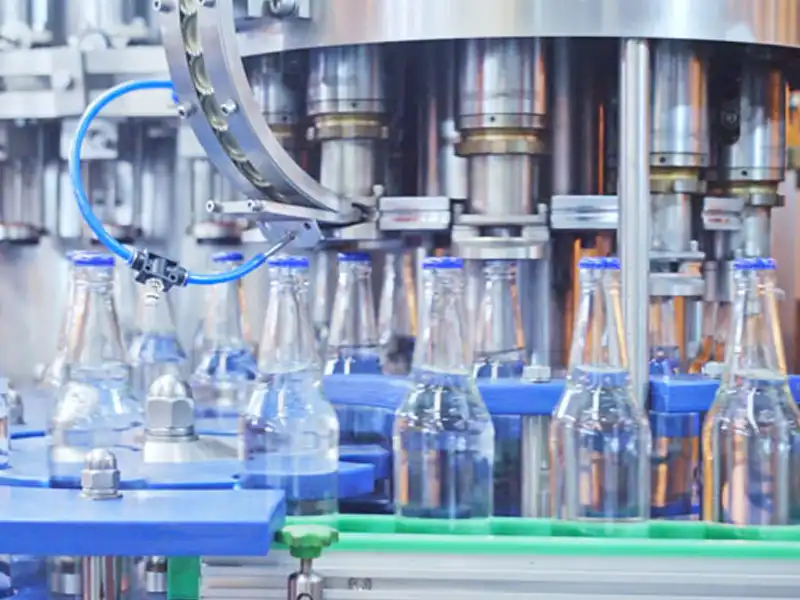
9. 3-in-1/Integrated Filling Machine (the mainstream choice for modern production lines): Integrates the following three steps into a single machine.
Rinsing: Thoroughly rinses, disinfects, and drains the interior of the bottles using ozone-treated water or sterile water.
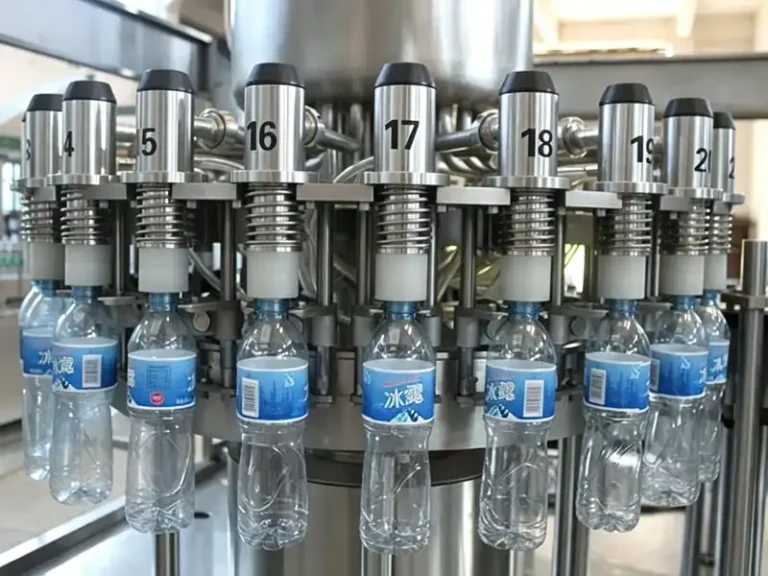
Filling machine: Using either gravity filling or vacuum filling, a measured volume of water is dispensed into the bottles through filling valves. The entire process takes place within a filling chamber protected by positive-pressure clean air to prevent microbial contamination.
Capping: Caps (which have been disinfected or are sterile) are automatically picked up and precisely screwed onto the bottle openings.
Post-Processing and Packaging Unit
10. Visual Inspection Equipment: Manually or automatically inspects bottles for impurities, verifies that the liquid level meets standards, and checks that the caps are properly sealed.
11. Shrink-Wrapping/Labeling Machine: Applies shrink-wrap or paper labels to the bottle.
12. Inkjet Printer: Prints information such as the production date and batch number on the cap or label.
13. Shrink Wrapping Machine/Carton Packing Machine: Shrink Wrapping Machine: Wraps multiple bottles of water (e.g., 6 or 12 bottles) in heat-shrinkable film to form a single sales unit.
Carton Packing Machine: Automatically places shrink-wrapped products or individual bottles into cartons and seals them.
14. Palletizing Robot/Automatic Palletizer: Automatically stacks cases of products onto pallets to form neat stacks, facilitating storage and transportation.
Types of Filling Lines and Their Applications
The choice of a filling line depends primarily on the nature of the product (liquid, powder, or solid granules) and the required precision. Here are the details:
Liquid Filling Lines
Liquid filling lines have the widest range of applications; they can be used for various types of drinking water, beverages, household cleaning products, cooking oil, and pharmaceutical solutions. They rely on pumps or gravity for feeding and filling and are primarily used in the production of bottled products.
Paste filling lines
Paste filling lines are designed for viscous materials, such as sauces, creams, gels, and honey—products with low flowability. They typically use a piston-type mechanism to push the product during filling and are commonly found in the food and cosmetics industries.
Powder filling lines
Powder filling lines are essential for processing powdered raw materials in industries such as pharmaceuticals, food processing, and home care. For example, products like powdered milk, seasoning powders, and medicinal powders are dispensed using screw feeders and are typically packaged in bags or cans. These lines may be equipped with dust collection systems to ensure the cleanliness and safety of the production area.
Snowy Owl Water specializes in liquid filling equipment, focusing primarily on various types of bottled liquid filling machines. We tailor solutions to your product characteristics and production conditions to meet the filling needs of different bottled liquids.

Filling Line Types by Automation Level
Semi-Automatic Filling Lines
Operators work alongside the equipment to complete certain processes. Typically, operators load empty bottles and initiate the filling process, then manually remove the containers once filling is complete. Subsequent processes, such as capping and labeling, can also be performed manually. These lines feature a simple structure, low initial investment, and easy setup for changing product specifications. They are suitable for small and medium-sized factories and small-batch production of multiple product varieties, and are commonly used by small personal care and sauce manufacturers.
Fully Automatic Filling Lines
The entire production line operates continuously and automatically. The conveying of empty bottles, washing, filling, capping, labeling, and output of finished products are all performed automatically by the equipment, with virtually no manual intervention required throughout the process. The equipment features a high degree of integration, stable operation, and strong continuous production capacity. It is suitable for large-volume, standardized production and is widely adopted by beverage, edible oil, pharmaceutical, and large-scale personal care product manufacturers.
What Types of Containers Can a Filling Line Handle?
| Container Type | Description | Typical Application |
|---|---|---|
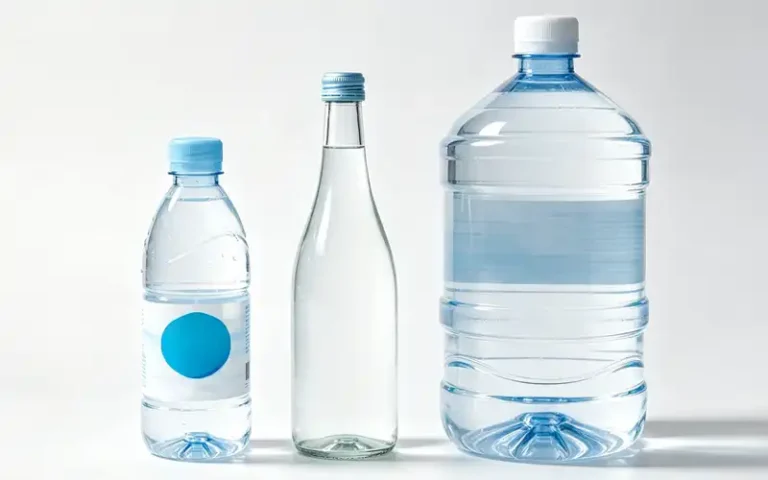
| Bottles | PET, HDPE, glass bottles in round, square or custom shapes, with narrow necks. | Beverages, edible oil, daily chemicals, liquid disinfectants |
| Jars | Wide-mouth containers, made of glass or plastic. | Honey, jam, cream, thick sauces |
| Vials & Ampoules | Small glass containers with tiny openings. | Pharmaceutical liquids, essential oils |
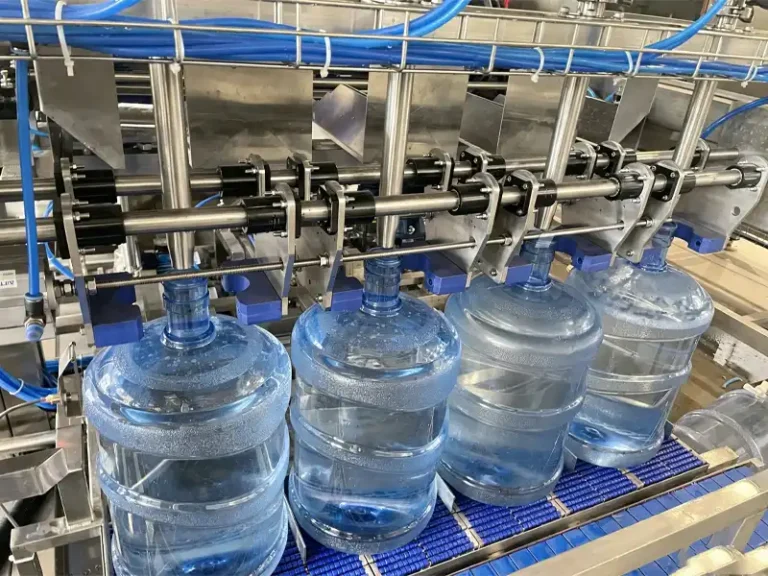
| Jerrycans & Drums | Large-volume plastic or steel containers. | Lubricants, agrochemicals, industrial liquids |
| Pouches | Flexible packaging including stand-up pouches and spouted pouches. | Fruit puree, detergent, liquid condiments |
| Tubes | Laminated or plastic squeeze tubes. | Cosmetic lotions, ointments |
What Types of Liquids Can Be Filled?
- Low-viscosity liquids: Have good flow properties and can be conveyed and filled by gravity alone. Examples: purified water, fruit juice, baijiu, vinegar, alcohol, disinfectant.
- Medium-viscosity liquids: Have moderate flow rates and require a pump for conveyance. Examples: cooking oil, syrup, hand sanitizer, shampoo, laundry detergent.
- High-viscosity liquids: Have a thick consistency and poor natural flow; piston-based filling systems are commonly used. Examples: honey, jam, face cream, gel, sauces.
- Carbonated liquids: Contain dissolved carbon dioxide; filling must be performed under pressure to prevent foaming and gas loss. Examples: soda, carbonated beverages.
- Corrosive liquids: Corrode ordinary metals; parts of the equipment that come into contact with the product must be made of corrosion-resistant materials. Examples: bleach, certain industrial chemicals.
How Does a Liquid Filling Machine Work?
Liquid filling machines can be classified into atmospheric pressure liquid filling machines, vacuum liquid filling machines, and pressure liquid filling machines based on their filling pressure. Each of these types of liquid filling machines has its own unique operating principle and applications.
1. Atmospheric-pressure liquid filling machines utilize the liquid’s own weight for gravity-fed filling. This type of filling machine has certain requirements regarding the liquid’s viscosity and carbonation level, and it operates in two modes: time-based filling and volumetric filling. Examples include baijiu, milk, soy sauce, and mineral water. With a simple structure and low cost, it is currently the mainstream method for filling non-carbonated beverages.
2. Vacuum filling machines, on the other hand, fill bottles under conditions where the internal pressure is lower than atmospheric pressure. They feature a simple structure and high efficiency, making them particularly suitable for highly viscous liquids.
3. Pressure filling machines operate under conditions of pressure higher than atmospheric pressure and can be further divided into isobaric and high-pressure filling.
Isobaric filling: During isobaric filling, the pressure in the liquid storage tank equals the pressure inside the bottle, allowing the liquid to flow in under its own weight. This method is specifically used for carbonated beverages (such as beer, soda, and champagne) to minimize CO₂ escape and prevent foam from affecting filling accuracy.
High-pressure filling: High-pressure filling utilizes the pressure difference between the storage tank and the bottle to fill the bottles. It is suitable for high-speed production lines and offers fast filling speeds.
What Factors Affect Filling Line Performance?
Whether a filling line can operate stably depends primarily on the product, production volume, containers, and equipment configuration. The speed of the filling machine itself is only one factor to consider; in actual production, it is often more important whether the upstream and downstream equipment are properly matched and whether the product is suitable for the current filling method.
Product Characteristics
The viscosity, flow properties, and temperature of a liquid, as well as whether it contains gas or particles, all affect the filling method. For example, water and cooking oil have different flow properties, and the filling requirements for regular fruit juice and fruit juice with pulp are also different.
Production Capacity
Production capacity is typically expressed in BPH (bottles per hour). It is important to note that the BPH rating specified for a filling machine does not equal the actual output of the entire production line. If the preceding rinsing process or the subsequent capping, labeling, and packaging processes cannot keep up, the entire line’s performance will be affected.
Bottle and Container Specifications
Bottle capacity and dimensions directly affect filling, capping, and conveying equipment. For example, the production methods for PET bottles, glass bottles, and cans differ.
Filling Method
Different liquids require appropriate filling methods. Common methods include gravity filling, volumetric filling, flow meter filling, and pressure filling. Carbonated beverages and beer, among other carbonated products, have particularly stringent requirements for filling pressure and foam control.
Equipment Coordination
A production line is not comprised of a single machine operating in isolation. Equipment for rinsing, filling, capping, labeling, and packaging must operate at coordinated speeds; otherwise, bottle backlogs, delays, or bottlenecks at specific stages are likely to occur.
Level of Automation
The level of automation primarily affects the degree of manual involvement and production continuity. Projects with lower output volumes may opt for semi-automatic equipment, while continuous, high-volume production typically employs an automatic filling line connected to downstream conveying, labeling, and packaging equipment.
For small-scale production, a relatively compact combination of equipment can be used; for commercial, high-capacity projects, a complete production line must be configured based on output, raw material processing capacity, packaging specifications, and the degree of automation.
Key Benefits of a Successful Filling Line
In today’s busy world of manufacturing, how your filling line runs can become the very foundation of your production success. A properly designed system doesn’t just save time—it delivers real value along the way. Here’s why:
Fast production speed
A high-quality filling line ensures smooth coordination between all processes—filling, capping, sealing, and labeling—with stable operation and minimal risk of breakdowns or downtime. This results in longer effective production time and higher overall production capacity. Furthermore, the high level of automation reduces the need for extensive manual labor, saving on labor costs while minimizing human error and ensuring production orders are completed reliably and on time.
Precise Filling
Whether for beverages, household cleaning products, or pharmaceuticals, filling accuracy is critical. A reliable filling line is precisely calibrated and configured to ensure uniform fill volumes for every product, eliminating overfilling or underfilling. This results in consistent and stable product quality with a low defect rate, effectively boosting customer trust and maintaining brand reputation.
Reduced Waste and Material Savings
During mass production, even minor material losses can add up to high costs. Modern, high-quality filling lines offer superior sealing and stability, effectively preventing issues such as liquid spills, leaks, and overfilling during the filling process, thereby maximizing savings on raw materials and packaging supplies. Over the long term, large-scale production yields substantial cost savings while also being more environmentally friendly and aligned with sustainable production requirements.
Safer and More Hassle-Free Production
Industries such as food, beverages, and pharmaceuticals have very high production standards, and compliance is the foundation of production. High-quality filling lines are designed to fully comply with industry regulations; they are equipped with precise data tracking, safe material conveyance structures, support standard cleaning procedures, and feature clear, standardized labeling. Not only do they meet industry production audit requirements and ensure production safety and product hygiene, but they also provide customers with greater peace of mind.
How to Choose the Right Filling Line?
The key principle for selecting a filling machine is to first determine the characteristics of the product, then decide on the filling method, and finally match the production capacity and level of automation. This order must not be reversed.
1. Figure out what you’re pumping
This is the most basic—yet most easily overlooked—question. Lubricants vary in viscosity, temperature, and corrosiveness, and equipment configurations naturally differ accordingly. For example, high-viscosity lubricants require a weight-based system, while those with good flow properties can use a flow-based system; corrosive lubricants must be handled with 316L stainless steel and Teflon, whereas 304 stainless steel is sufficient for ordinary lubricants.
| Material Type | Recommended Filling Method | Typical Materials |
|---|---|---|
| Low-viscosity liquid | Gravity filling or flow meter type | Water, white spirit, lubricating oil |
| High-viscosity material | Piston pump or rotor pump volumetric filling | Honey, face cream, oyster sauce |
| Foam-prone liquid | Bottom-up (submerged) filling | Dishwashing liquid, shampoo, beer |
| Particle-containing material | Special particle valve | Fruit pulp drink, bibimbap sauce |
| Carbonated beverage | Isobaric filling (back-pressure filler) | Beer, soda water, champagne |
2. Determining Accuracy Requirements
The specified accuracy for lubricant filling machines is typically ±0.2%. This figure may seem small, but it actually has a significant impact—for every 0.1 percentage point difference in accuracy, based on a daily production of 5,000 4-liter bottles, material waste alone can amount to tens of thousands of yuan in a single year. To be honest, however, higher accuracy isn’t necessarily better. Equipment with ±0.1% accuracy costs more than 50% as much as that with ±0.2%, but how much material can that extra 0.1% in accuracy actually save in a year? Do the math carefully before making a decision. For most lubricant companies, ±0.2% accuracy is more than sufficient.
3. Align Production Capacity—Don’t Blindly Pursue Multiple Positions
| Daily Output | Recommended Heads | Filling Type |
|---|---|---|
| 1,000–3,000 bottles | 2–4 heads | Semi-automatic / Linear |
| 3,000–10,000 bottles | 4–8 heads | Fully automatic linear |
| 10,000–30,000 bottles | 8–12 heads | Linear / Rotary |
| Over 30,000 bottles | 12+ heads | Rotary |
I always advise our clients: size your machine for 1.5 × your current daily output. This is the sweet spot for capacity planning.
- Below 2,000 bottles/day: Semi-automatic 2–4 head fillers (USD 5,000 – 15,000)
- 2,000–5,000 bottles/day: Fully automatic 4–8 head filling lines (USD 15,000 – 35,000)
- Over 10,000 bottles/day: 8–12 head complete production lines (USD 50,000+)
Oversizing your filling equipment leaves you with idle capacity and wasted capital investment.
4. After-Sales Service
Machinery may face unexpected faults during operation. At Snowy Owl Water, we build our after-sales system to minimize your production downtime.
✅ 24-hour online technical response: Our engineering team is available round the clock for troubleshooting, video guidance and remote debugging.
✅ Overseas technical support: We arrange on-site engineer service upon request for installation, commissioning and major breakdown repair.
✅ Warranty coverage: 12-month warranty for all main machine parts (excluding quick-wear consumables).
✅ Free technical training: We provide operation & maintenance training for your operators, via online video or on-site training.
✅ Lifetime spare parts supply: We keep spare parts inventory for long-term supply at factory cost after warranty expires.
✅ Lifetime technical consultation: Unlimited technical advice for machine upgrade, process adjustment and production optimization.
A single day of production shutdown can cause huge losses for your filling line. The downtime loss is often far higher than the machine price difference. When selecting filling equipment, confirm these points with your supplier:
- What is your technical response time?
- Can you provide overseas on-site service?
- What parts and services are covered under warranty?
- Do you supply spare parts long-term?
In short, when choosing a Run filling machine, follow this order: material characteristics → accuracy requirements → production capacity → after-sales support. That way, you’ll likely avoid any pitfalls.
FAQs
What is a filling line?
A filling line is a group of machines that work together to fill products into containers and complete related packaging processes such as rinsing, capping, labeling, coding, and packing.
What is the difference between a filling machine and a filling line?
A filling machine mainly performs the filling process, while a filling line combines filling with other equipment such as bottle rinsers, capping machines, labeling machines, conveyors, and packaging systems.
What products can be filled on a filling line?
Filling lines can be designed for water, juice, carbonated beverages, milk, beer, edible oil, sauces, and other liquid products. The filling method and equipment configuration depend on the characteristics of the product.
What types of bottles can a filling line handle?
Depending on its configuration, a filling line can handle PET bottles, glass bottles, cans, jars, and other containers. Bottle size, shape, material, and neck dimensions need to be considered during line design.
How do I choose a filling line?
Choose a filling line based on the product, container type, production capacity, filling technology, automation level, factory layout, and future production requirements.
Can a filling line be customized?
Yes. A filling line can be configured according to the product, bottle or container, production capacity, filling method, automation requirements, factory layout, and packaging process.
Conclusion
Once you understand what a filling line is, you can think of it simply as a continuous production system built around “product filling.” It consists not only of a filling machine but also of related equipment such as rinsing, capping, labeling, conveying, and packaging machines. When actually selecting a production line, factors such as the nature of the product, the type of container used, the required output, and how the various pieces of equipment work together are often more important than simply looking at the specifications of a single machine. The appropriate filling line will vary depending on the specific liquid product, and the actual solution must be determined based on production requirements.
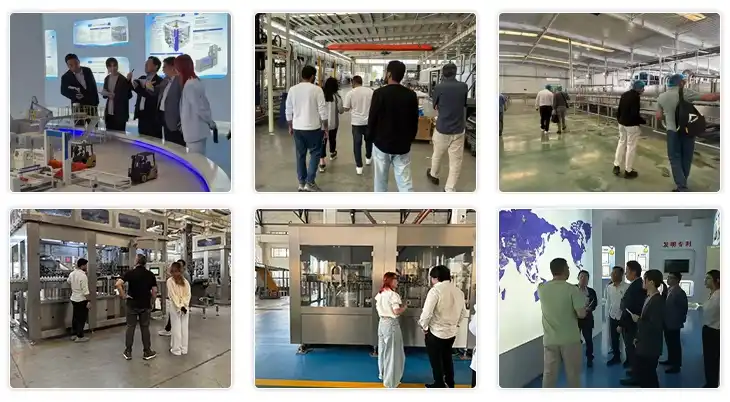
Snowy Owl Water engineering team provides application-specific filling line recommendations based on years of experience in water treatment, beverage production, and liquid filling. We help customers select suitable filling and packaging equipment according to the product type, production capacity, container format, filling requirements, and overall production process.