Introduction
There is a wide variety of water filling equipment on the market, ranging from small semi-automatic filling machines to large-scale, fully automatic bottled water production lines; these differ significantly in price, production capacity, automation level, and configuration. An unsuitable choice can not only inflate investment costs but also compromise future production efficiency and product quality.
Selecting the right water filling equipment requires a comprehensive assessment of several factors, including production scale, bottle specifications, capacity requirements, automation levels, compatibility with water treatment systems, and the supplier’s technical capabilities. This article approaches the subject from a practical purchasing perspective to guide you on how to select the right water filling equipment.
What Is Water Filling Equipment?
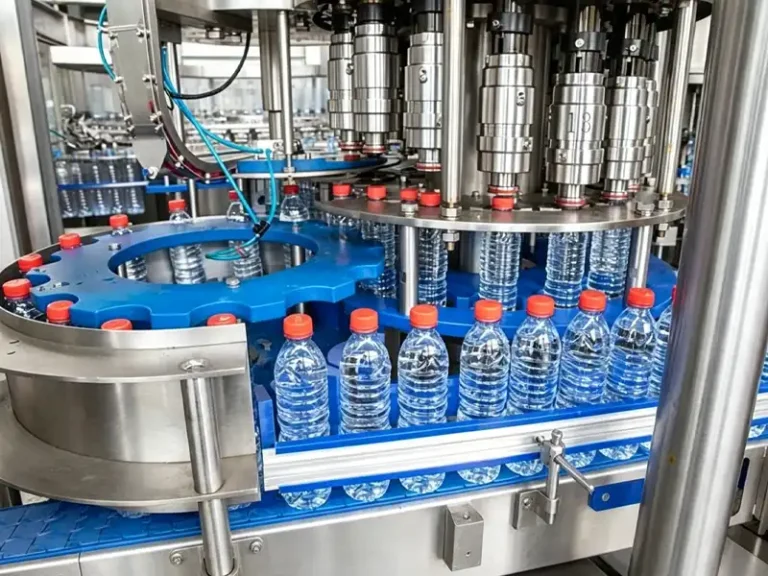
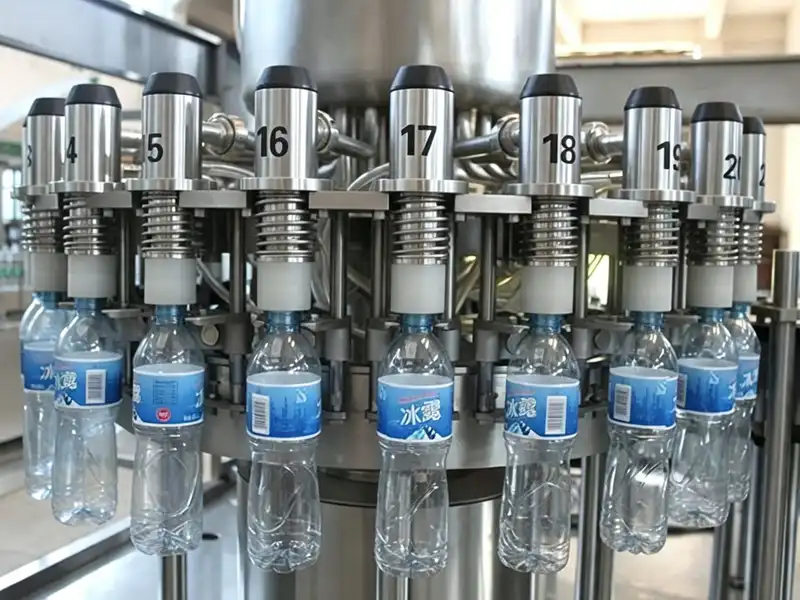
Water filling equipment consists of automated machinery used for the industrial-scale production of bottled and barreled drinking water. Its core function is to perform a fully automated process comprising rinsing, precision filling, and capping, making it essential production equipment for purified water and mineral water plants.
This type of equipment is generally divided into two main categories:
Small-bottle water filling equipment:
Designed for PET bottled water in sizes ranging from 200 ml to 2 L, this equipment typically features a three-in-one integrated structure combining bottle rinsing, filling, and capping. Mainstream models can process 15,000 bottles per hour (based on 500 ml bottles) and are suitable for large-scale production of non-carbonated liquids such as mineral water and purified water.
Bulk Water Filling Equipment:
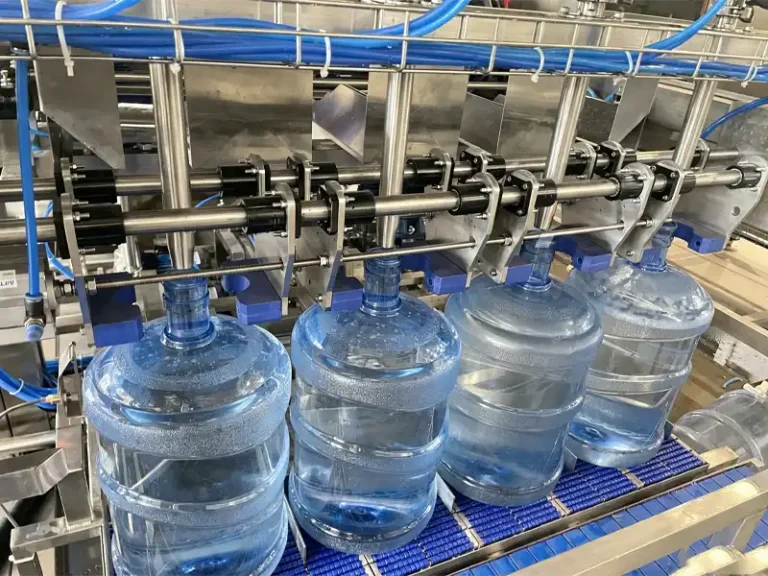
Designed specifically for large-capacity water containers such as 3-gallon and 5-gallon (18.9 L) buckets, this equipment is available in two configurations: linear and rotary. Linear systems have a production capacity of 200–400 buckets per hour and are suitable for small- to medium-sized water plants, while rotary systems can reach capacities of 600–2,000 buckets per hour or more, meeting the production demands of large, modern water plants.
The following are the pieces of equipment involved in a complete filling production line:
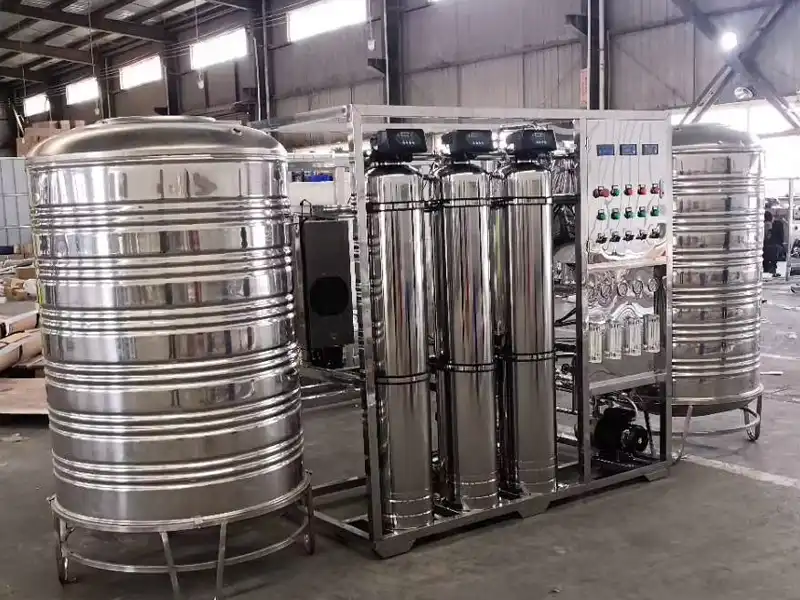
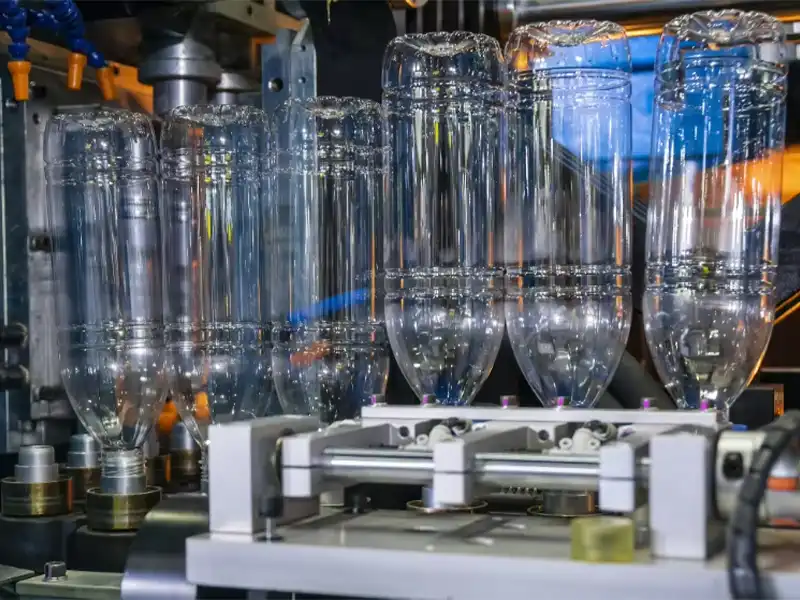
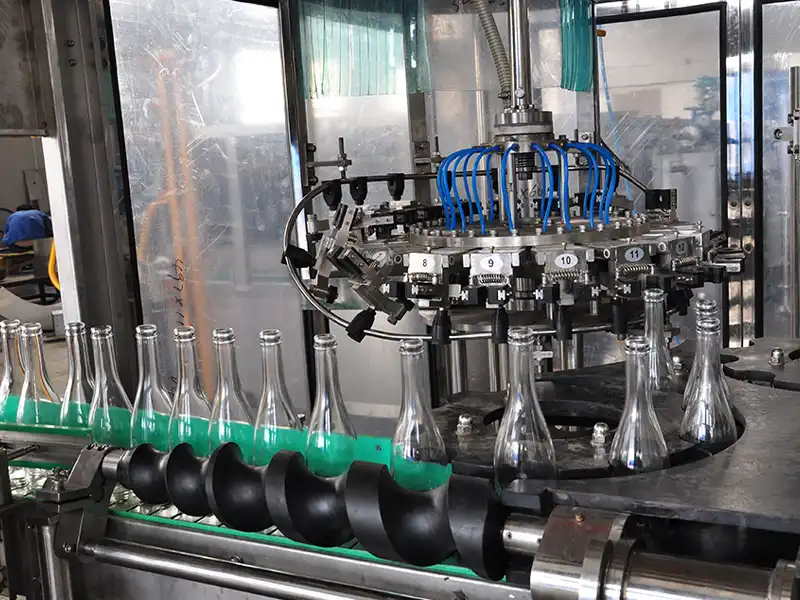
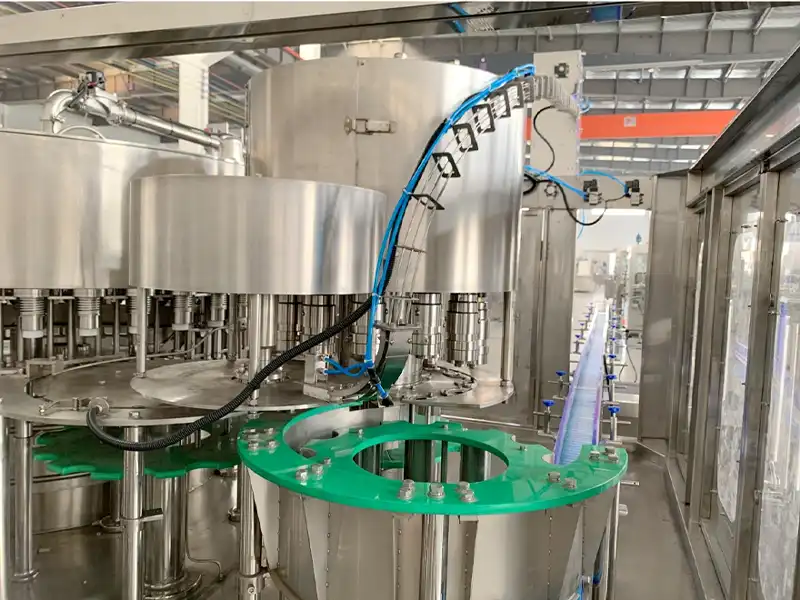
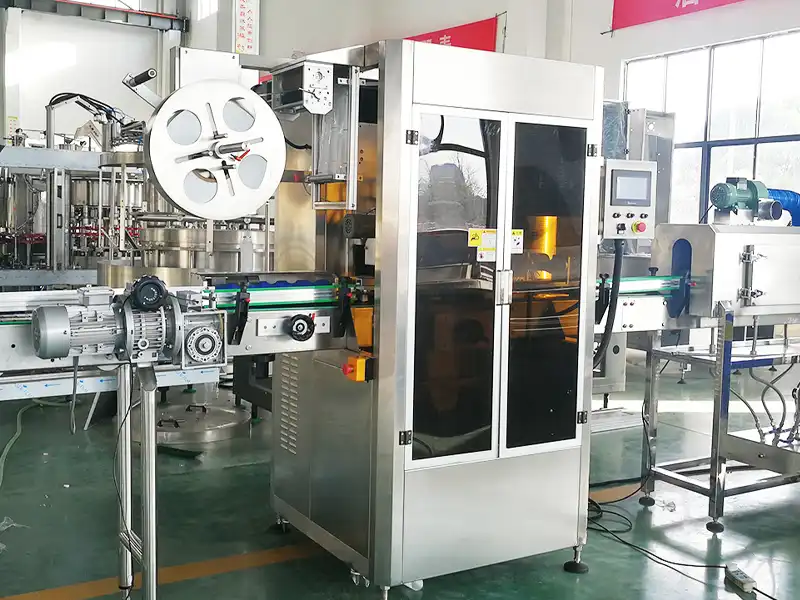
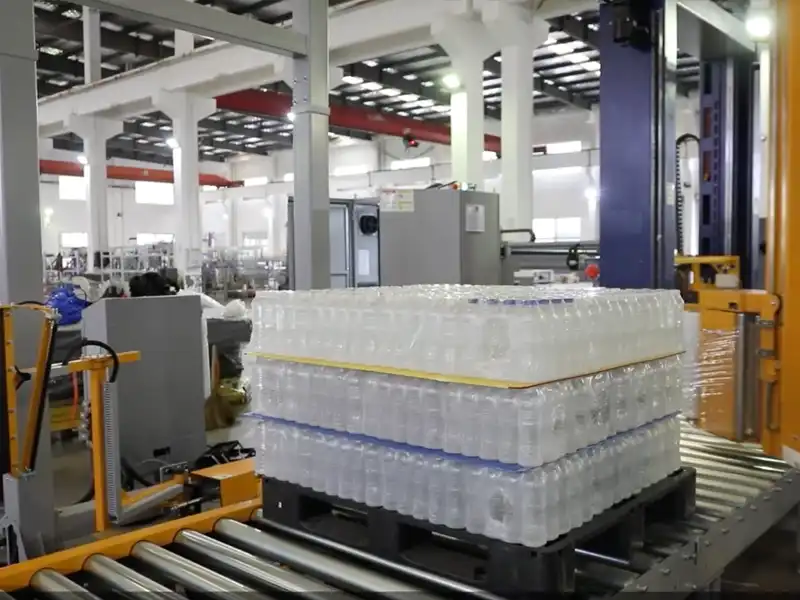
Different Types of Water Filling Equipment
Different production scales and water‑product requirements call for matching water filling machines. We offer multiple series of filling equipment covering small‑batch startup production, large‑volume automatic bottling, special mineral‑water processing and 5‑gallon barreled‑water manufacturing. Each model is engineered with targeted functions to meet varied output, budget and hygiene standards for drinking‑water factories worldwide.
Production Capacity
Production capacity is one of the most critical factors when selecting a water filling machine, as it directly influences equipment selection, budget layout and long‑term factory operation. Before purchasing, you need to figure out your core indicators including daily production target, bottle size, actual working hours, and future expansion plan. The reference table below helps you quickly match suitable equipment according to hourly output.
| Production Capacity | Recommended Equipment |
|---|---|
| 500‑2000 bottles/hour | Small filling machine |
| 3000‑10000 bottles/hour | Automatic monoblock filling machine |
| 15000+ bottles/hour | Complete water filling line |
Key points to confirm before choosing equipment:
Clarify your daily output target, bottle specification, working time and future expansion plan before finalizing your equipment selection, and contact us for a customized solution tailored to your real‑world production conditions.
Choose the Right Filling Technology
All liquid filling machines on the market rely on just three core operating principles, each suited to different materials and offering distinct levels of precision and production capacity. Choosing the right principle accounts for 80% of the project’s success; if the wrong principle is selected, even the most high-end equipment will be useless.
1. Gravity Filling
Gravity Filling: Suitable for low-viscosity, clean liquids prone to foaming.
Filling relies on the liquid’s own weight for natural flow; there is no pressurization or mechanical squeezing, resulting in a gentle and steady flow rate.
Suitable materials: Low-viscosity, foam-prone liquids requiring high purity (free from impurities), such as purified water, mineral water, fruit juice, tea beverages, disinfectants, alcohol, nutrient solutions, and liquid agricultural products.
Advantages: Simple structure, minimal risk of product contamination, and very low maintenance costs. It eliminates issues such as foaming, spillage, and oxidation caused by high-pressure dispensing, making it the ideal choice for food, beverages, and clean liquid products.
Disadvantages: Unable to fill viscous liquids; the flow rate of high-viscosity materials is too slow, severely dragging down production capacity.
2. Piston Filling
Piston Filling: Suitable for medium-to-high viscosity liquids and those containing minor suspended solids.
Uses a piston cylinder to draw and dispense material in precise, mechanically controlled quantities, utilizing physical thrust to force the product out.
Suitable materials: Liquids with moderate viscosity and flow characteristics, such as laundry detergent, dish soap, lubricating oil, hair/body care essences, syrups, and viscous additives.
Advantages: High filling accuracy; unaffected by material density or minor impurities; stable dispensing; compatible with most viscous liquids used in consumer and light industrial applications; offers the greatest versatility.
Disadvantages: Stability is average under high-speed mass production conditions; long-term filling of materials with high impurity content tends to cause wear on the piston seal.
3. Flow-meter-based filling
Flow-meter-based filling: Suitable for high-volume production and liquids requiring frequent specification adjustments.
Real-time flow monitoring via intelligent flow meters and precise PLC control of dispensing cycles eliminate the need for mechanical volumetric mechanisms.
Suitable materials: Oils, base solvents, bulk aqueous solutions, and general-purpose liquids requiring frequent format changes.ps, and viscous additives.
Advantages: Highly flexible specification adjustments; one-touch filling volume switching without hardware changes; ideal for multi-product, multi-specification batch production; delivers excellent high-speed throughput.
Disadvantages: Susceptible to interference from air bubbles, temperature, and viscosity fluctuations; stability in ultra-high-precision applications is inferior to piston-based systems.
Consider Bottle Types and Packaging Requirements
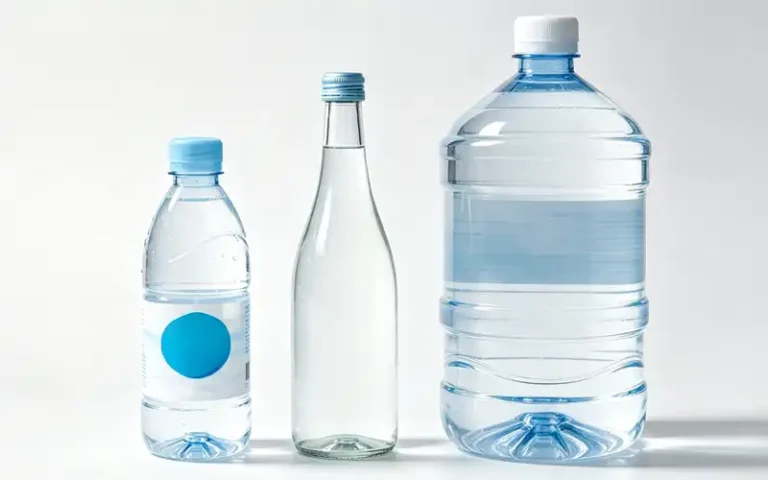
Bottle filling equipment must match your packaging specifications, since different container types require distinct machine structures and processing parameters.
- PET Bottle For PET bottle production, pay close attention to bottle neck size, filling speed and cap type to guarantee stable bottling performance.
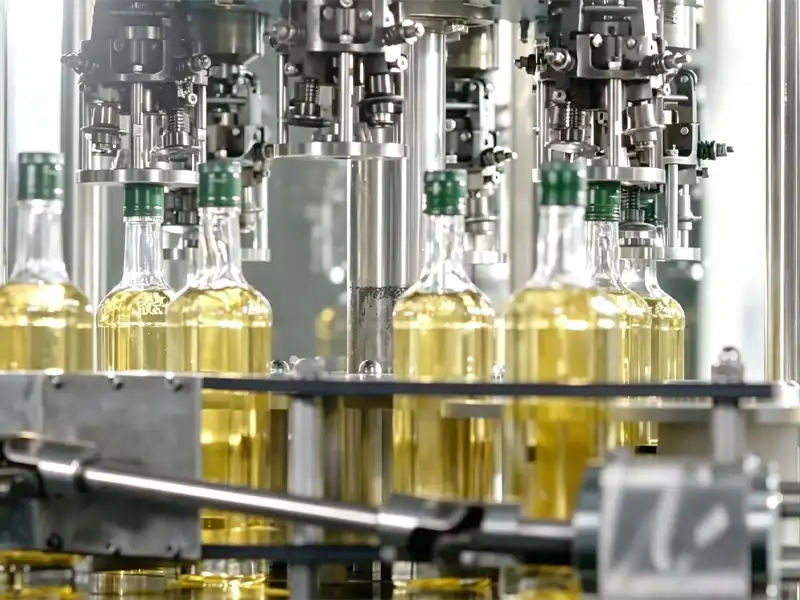
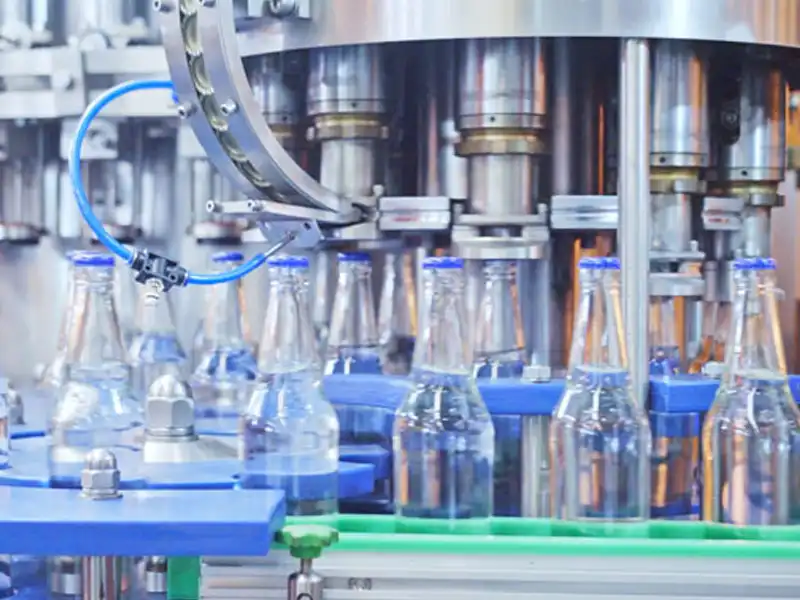
- Glass Bottle Glass bottles demand gentle material handling and strict cleaning requirements to avoid breakage and meet hygiene standards.
- 5 Gallon Container For 5‑gallon large containers, focus on reliable washing system and high‑level sanitation for barreled‑water production.
Check Automation Level and Production Efficiency
There is no one‑size‑fits‑all filling solution. Your factory’s labor conditions, output goals and long‑term development determine which automation level fits you best. Matching automation grade with production efficiency helps you cut unnecessary costs and avoid over‑investment or insufficient capacity.
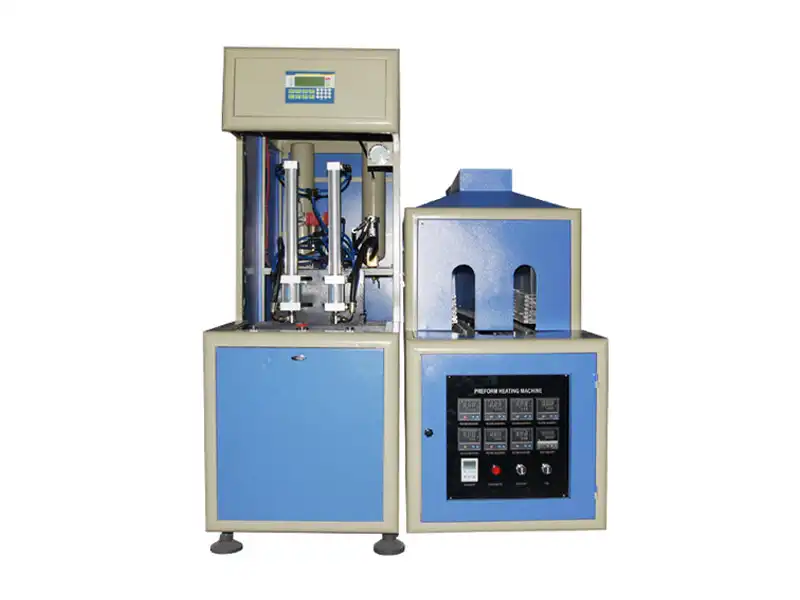
- Semi‑automatic filling equipment: It suits small factories, startup projects and custom‑order workshops. Manual bottle feeding and bottle collection are required. With low initial investment and flexible parameter adjustment, it supports frequent product changeover. Though output is limited, it delivers high cost‑performance for small‑batch production.
- Semi‑automatic monoblock machine: Balances manual operation and automatic processing. Core steps including filling and capping run automatically, while partial bottle handling still relies on workers. It brings higher output than standalone semi‑automatic units, ideal for factories undergoing capacity expansion.
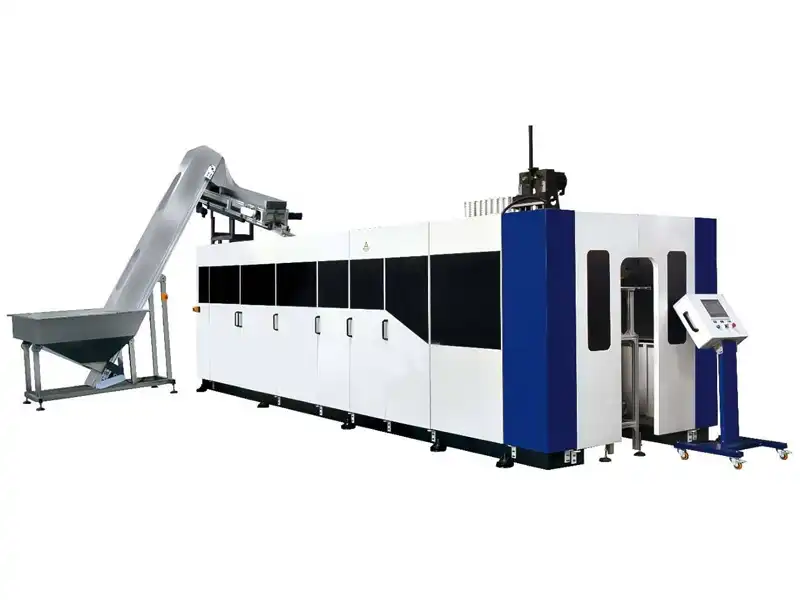
- Fully automatic integrated filling line: Designed for medium‑to‑large‑scale mass production. Bottle feeding, washing, filling, capping and labeling run automatically with minimal manual intervention. It features high running speed, stable efficiency and consistent finished‑product quality. It greatly reduces labor cost and supports long‑time continuous operation for high‑volume orders.
Learning about equipment selection through real-world projects is often the most intuitive approach. Take a look at our fully automated bottled drinking water project.
Evaluate Water Filling Equipment Quality and Material
Equipment quality and manufacturing materials are core standards to judge the reliability and service life of water filling machines, and also a key consideration for cooperation with professional water filling machine manufacturers. High-quality materials and standardized hygienic design ensure long-term stable operation, meet food-grade production requirements, and reduce later maintenance and replacement costs.
- Stainless Steel Material
For the food and personal care industries, it is essential to select wetted parts made entirely of 316L stainless steel; this material is corrosion-resistant, easy to clean, and compliant with sanitary standards, whereas 304 stainless steel is suitable only for general industrial liquids and cannot meet clean production requirements. - Premium Electrical Components
The stable operation of the filling machine depends on high-quality electrical core parts. We equip all equipment with brand PLC systems, precision sensors and stable driving motors. These high-end components ensure accurate filling measurement, sensitive equipment response, stable operating frequency, and effectively avoid equipment failure, shutdown errors and filling deviation, greatly improving the overall stability and service life of the production line. - Professional Hygienic Design
The system features a standardized hygienic design, incorporating an automated CIP (Clean-in-Place) system, a fully sealed structure, and seamless sanitary piping. Its integrated design eliminates cleaning dead zones, enabling the thorough removal of residual liquids and contaminants from the piping; the sealed structure effectively blocks external dust and pollutants, ensuring a clean, sterile, and safe filling process that guarantees the quality of the final product.
Calculate the Total Cost of Water Filling Equipment
When planning your budget, do not only look at the price of a single unit. Real water filling machine cost includes initial purchase, running expenses and long‑term returns. Lower‑priced machines do not always mean lower total costs; poor‑quality equipment may cause extra spending later.
1. Equipment Investment
This is your one‑off upfront cost for the whole line. It covers not only the filling machine itself, but also conveyors, water treatment systems and packaging‑related equipment. Well‑matched supporting units prevent production bottlenecks.
2. Operation Cost
These are your ongoing daily expenses: electricity, labor, and regular machine maintenance. Reliable equipment saves power, reduces manpower needs and lowers repair frequency over time.
3. Long‑term ROI
Base your choice on long‑term return on investment, not just low upfront price. Cheap equipment often suffers frequent breakdowns, inaccurate filling and short service life. This leads to order delays, material waste and extra unexpected costs. Quality machines run stably for years and deliver consistent profits for your factory.
Common Mistakes When Buying Water Filling Equipment
Many buyers make avoidable errors while sourcing water filling equipment. Understanding these typical pitfalls helps you pick the right water filling machine for your drinking‑water plant and cut unnecessary losses.
Choosing Equipment Based Only on Price
Focusing purely on low machine cost is one of the most frequent mistakes. Cheap units may lack reliable materials and key components. They bring more breakdowns, high maintenance fees and unstable output, raising your overall production cost in the long run.
Ignoring Future Expansion
Lots of customers only consider current output when purchasing filling machinery. Without reserving space for capacity upgrades, your equipment will quickly fall behind once business grows. You may have to replace the whole line ahead of schedule, causing extra investment waste.
Selecting Wrong Capacity
Over‑estimating or under‑estimating hourly production capacity creates obvious problems. Too‑large capacity leads to idle machines and wasted capital. Insufficient capacity cannot keep up with order demands and restricts your business growth. Always match machine output with your real‑world production target.
Not Checking Supplier Experience
Working with inexperienced water filling machine manufacturers carries big risks. Suppliers without rich industry background may offer poor after‑sales support, mismatched line configuration and slow technical service. Reliable suppliers with project experience deliver proper configuration, timely guidance and long‑term technical support
Most Common Pain Points in Liquid Filling
Unlike specialized chemical filling applications involving corrosion resistance and explosion protection, the challenges faced by standard liquid production lines are mostly not related to safety or compliance, but rather to production efficiency issues such as inconsistent accuracy, poor product appearance, cumbersome product changeovers, and high wastage.
- Temperature fluctuations cause inaccurate filling and significant batch-to-batch variations
Many liquids experience significant changes in density due to temperature. For example, the viscosity of lubricating oil increases in cold winter conditions, while the density of aqueous solutions decreases as temperatures rise in summer. Standard volumetric filling machines only maintain a fixed volume without calibrating by weight. As a result, filling volume deviations occur throughout the year and across morning and evening shifts—leading either to customer complaints about underfilling or to ongoing raw material waste due to overfilling. - Dripping and stringing at the end of filling result in poor-quality finished products
For adhesive liquids such as laundry detergent, oils, and syrups, material residue, dripping, and stringing frequently occur at the nozzle after filling, contaminating the rim of the container and the bottle body. This not only requires manual re-wiping—which affects the product’s appearance—but also leads to poor sealing, leakage, and post-sales issues. - Incomplete cleaning during product changeovers leads to minor cross-contamination that affects quality
Many light industrial enterprises rotate production of disinfectants, personal care liquids, and nutritional solutions on the same production line. Older filling machines have numerous dead corners in their piping, making it difficult to thoroughly clean internal material residues. When old and new materials mix, hidden quality issues such as cloudiness, off-odors, and non-compliance with ingredient standards may arise, making it difficult to identify the root cause. - Mismatch Between Production Capacity and Labor Leads to Severe Shortages During Peak Seasons
Small workshops rely on semi-automatic, manual alignment and bottle support, which depends on workers’ skill levels, resulting in extremely low maximum production capacity. Medium-sized factories, on the other hand, blindly invest in fully automated long production lines, leading to idle equipment during off-seasons and persistently high fixed costs, making it impossible to balance production capacity and costs.
How to Buy a Water Filling Equipment
Based on our experience implementing solutions at thousands of light industrial, personal care, and food manufacturing facilities, we’ve identified the key considerations for purchasing general-purpose liquid filling machines—helping you avoid 90% of the industry’s common pitfalls:
1. For low-foaming liquids, prioritize gravity-fed systems; for viscous liquids, prioritize piston-driven systems; and for high-volume liquids, prioritize flow-rate-optimized models. Don’t blindly pursue so-called “multi-functional all-in-one machines”—all-purpose models often excel at nothing.
2. Prioritize drip-proof designs. For viscous liquids, a suction-return anti-drip nozzle is essential; the savings in manual cleaning and material waste far outweigh the cost difference of the accessory.
3. In the food and personal care industries, always select equipment with 316L stainless steel for all liquid-contacting parts. It offers corrosion resistance, ease of cleaning, and compliance with hygiene standards. 304 stainless steel is suitable only for general industrial liquids and cannot meet clean production requirements.
4. Prioritize dual-speed filling capabilities. The ability to switch between fast and slow speeds is key to balancing production capacity and precision. Single-speed equipment is either too slow or prone to overflow, failing to deliver both efficiency and quality.
5. For workshops with frequent product changeovers, prioritize quick-disconnect piping and dead-space-free designs to minimize cleaning blind spots, eliminate cross-contamination, and significantly improve changeover efficiency.
6. Do not focus solely on static accuracy; inquire about stability during continuous production. Many machines meet accuracy standards under no-load conditions, but errors drift continuously during mass production.
7. Match the equipment to your production capacity. For daily output of 1,000 orders or less, semi-automatic equipment is entirely sufficient; for daily output exceeding 3,000 orders, consider a fully automatic production line to avoid equipment idling and waste.
FAQs
Q1: How do I choose the right water filling machine?
A1: Selection requires consideration of production capacity, bottle type, automation level, water quality requirements, and future expansion plans.
Q2: What capacity water filling equipment do I need?
A2: Capacity depends on daily production targets. Small factories usually choose 500-3000 bottles per hour, while large plants require higher-speed automatic filling lines.
Q3: How much does water filling equipment cost?
A3: The cost depends on machine type, production capacity, automation level, and whether a complete water production line is required.
Q4: What equipment is needed for bottled water production?
A4: A complete bottled water production line usually includes a water treatment system, bottle rinsing machine, filling machine, capping machine, labeling machine and packaging equipment.
Q5: What is the difference between manual and automatic water filling machines?
A5: Manual machines require more labor, while automatic filling equipment offers higher production efficiency and consistent filling quality.
Q6:How long does a water filling machine last?
A6: With proper maintenance and regular replacement of wearing parts, industrial water filling equipment can operate reliably for many years.
Q7: Can water filling equipment be customized?
A7: Yes. Manufacturers can customize filling capacity, bottle size, layout design and automation level according to production requirements.
Q8: How do I choose a reliable water filling equipment manufacturer?
A8: Evaluate manufacturing experience, export records, technical support, customization ability and after-sales service.
Conclusion
Choosing the right water filling equipment is a critical step in building an efficient and reliable bottled water production business. The ideal solution should match your production capacity, bottle type, automation requirements, water treatment process, and future expansion plans. Instead of focusing only on the initial equipment cost, businesses should consider long-term operating efficiency, equipment stability, maintenance requirements, and supplier support.
As an experienced water filling equipment manufacturer, Snowy Owl Water provides customized solutions for different bottled water projects, from small-scale production lines to complete automatic bottled water production lines. Our team can help you select the right equipment configuration based on your production goals and investment requirements.
Contact Snowy Owl Water today to get a customized water filling line solution and professional support for your bottled water project.
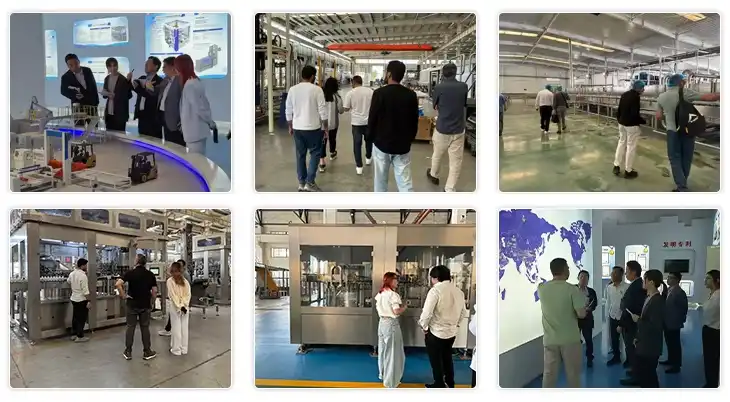
When you are ready to choose a bottled water production line for your project, Snowy Owl Water’s engineering team can provide a complete solution based on your production capacity, water source conditions, bottle specifications, and factory requirements. With professional experience in water treatment systems, filling equipment, and complete bottling projects, we help customers design reliable production lines that meet different market demands, from small water plants to large-scale beverage production facilities.