Introduction
As the variety of juice products continues to grow, consumers encounter different labels such as “NFC juice,” “juice from concentrate,” and “fresh juice” when shopping. Although these products may appear similar, there are certain differences in how the raw materials are handled, as well as in the juice processing and production methods. Among them, NFC juice has become a relatively common product type in the juice market in recent years. NFC stands for “Not From Concentrate,” which primarily indicates that the juice was not produced by first concentrating it and then reconstituting it with water. So, what is NFC juice? How is it produced? And how does it differ from juice from concentrate? Below, we will provide a detailed introduction to NFC juice, covering its definition, production process, common fruits used, processing equipment, and industrial production.
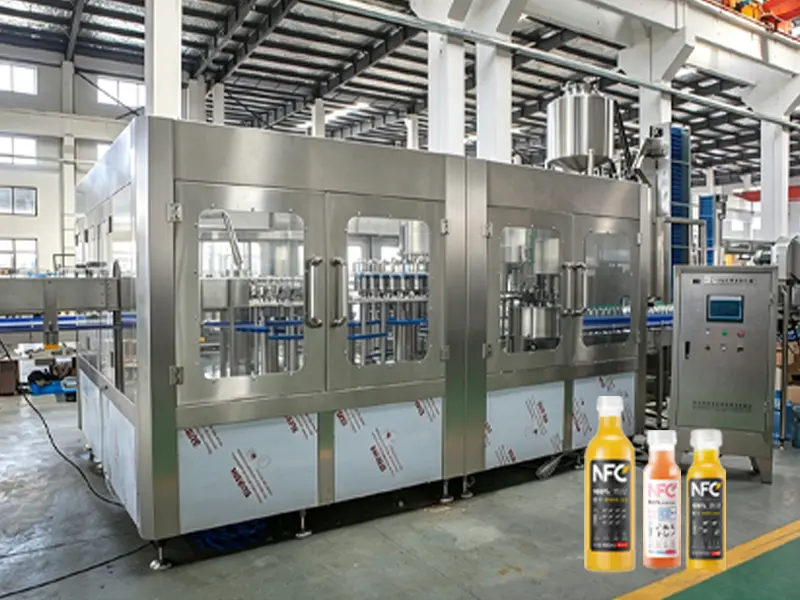
Table of Contents
What Is NFC Juice?
NFC stands for “Not From Concentrate.” Simply put, NFC juice is made by washing and juicing fruit, then filtering and pasteurizing the juice directly—without concentrating it or reconstituting it with water—before bottling. Because the processing does not involve concentration and reconstitution, NFC juice generally retains the fruit’s natural flavor and texture well. Common NFC juices include orange juice, apple juice, grape juice, and mango juice. Due to differences in product characteristics and processing methods, some NFC juices require refrigerated storage and have stricter requirements for transportation, storage, and packaging conditions.
Compared to NFC juice, traditional juice products are produced in a wider variety of ways. They can be made by reconstituting juice concentrate with water, or by blending juice, water, and other ingredients according to a specific formula, followed by pasteurization and bottling. Concentrated juice is easier to store and transport, typically has a longer shelf life, and allows for relatively easier control of production and transportation costs; therefore, it is widely used in the mass-market juice sector. NFC juice, on the other hand, places greater emphasis on the original fruit flavor and product positioning, but it has relatively higher requirements for production, cold chain management, and storage, and may also be more expensive. Consequently, each type of juice has its own suitable applications, and NFC juice cannot completely replace traditional juice.

What is the difference between fruit juice drinks, FC juice, and NFC juice?
Although fruit juice products on the market all tout fruit as their main selling point, the actual ingredients and processing methods used vary. Based on production methods, they can be broadly categorized into fruit juice beverages, FC (From Concentrate) juice, and NFC (Not From Concentrate) juice.
1. Fruit Juice Beverages
Fruit juice beverages typically use water as their main ingredient, with sugar, fruit pulp, fruit juice concentrate, and other permitted food ingredients added according to the product formula. Common fruit-flavored beverages, such as orange, peach, and grape, are often produced this way.
The ingredient list clearly shows the proportions of each component. Compared to 100% fruit juice, these products generally have a lower fruit juice content, and their flavor and sweetness can be adjusted through the formula. In China, specific juice content requirements are determined based on the product category and corresponding food standards.
2. FC Juice (From Concentrate)
FC juice refers to juice products made from juice concentrate to which a certain amount of water is added to restore the original volume; common products are labeled as “100% juice.”
After the fruit is juiced, a portion of the water is removed through a concentration process, reducing the juice’s volume and increasing the concentration of soluble solids. Concentrated juice is easier to store and transport over long distances; during production, water is added as needed to reconstitute it. Typical ingredient lists for these products include “water” and “concentrated juice.”
3. NFC (Not From Concentrate) Juice
NFC stands for “Not From Concentrate” and refers to juice that does not undergo the process of “concentration followed by reconstitution with water” during production. After the fruit is washed and juiced, the juice proceeds directly to subsequent steps such as filtration, pasteurization, cooling, and bottling.
Compared to FC juice, NFC eliminates the concentration and reconstitution steps, resulting in a product that more closely resembles the original juice. Depending on the specific product formula, the ingredient list can be relatively simple—for example, a single fruit juice may be the primary or sole ingredient. NFC juice generally has higher requirements for raw material freshness, processing equipment, temperature control, packaging, and storage and transportation conditions.
| Product Type | Main Ingredients | Concentrated | Requires Reconstitution with Water | Typical Characteristics |
| Fruit Juice Drink | Water, fruit juice / concentrated fruit juice, etc. | Depends on formulation | Depends on formulation | Juice content and formulation can vary significantly |
| FC Juice (From Concentrate) | Concentrated fruit juice + water | Yes | Yes | Convenient for storage and transportation |
| NFC Juice (Not From Concentrate) | Freshly squeezed fruit juice | No | No | Processing route closer to natural raw juice |
4. Why is concentration necessary in juice production?
The primary purpose of concentration is to remove some of the water from the juice, reduce its volume, and thereby minimize the space required for storage and transportation. Concentrated juice has a higher soluble solids content and is better suited for long-distance transportation and subsequent storage.
Manufacturers can choose different processing methods based on raw materials, transportation distance, product type, and target markets. The NFC (Not From Concentrate) process eliminates the concentration and reconstitution steps, but it also has different requirements for processing, storage, and transportation conditions.
Therefore, the ingredients in various fruit juice beverages can be summarized as follows:
- Fruit Juice Beverages: Water + Sugar + Concentrated Fruit Juice + Food Additives
- Concentrated and Reconstituted Fruit Juice: Water + Concentrated Fruit Juice
- Not-from-Concentrate (NFC) Juice: Pure Juice
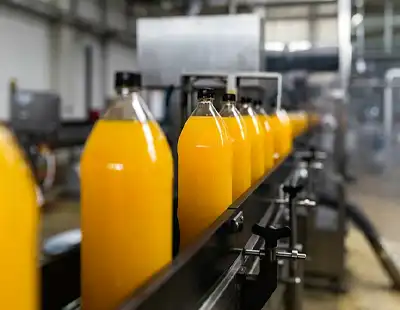
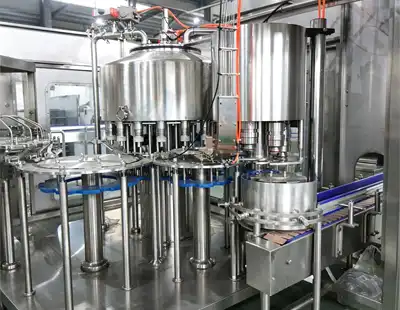
Types of NFC Juice
NFC juice can be made from a variety of fruits. Since different fruits vary in pulp structure, fiber content, acidity, and juice yield, the actual processing methods will also differ.
NFC Orange Juice
NFC orange juice is one of the most common NFC juice products. After oranges are washed, sorted, and juiced, the juice typically undergoes filtration, homogenization, pasteurization, cooling, and filling. For orange juice production, appropriate juicing and filtration equipment must be selected based on the characteristics of the pulp and juice.
NFC Apple Juice
NFC apple juice is typically made from fresh apples, which are washed, crushed, juiced, and filtered before undergoing further processing. Depending on product requirements, some pulp may be retained, or the juice may undergo more thorough clarification. The ripeness, variety, and juice yield of the apples all affect the final product.
NFC Mango Juice
Mangoes contain a significant amount of pulp and fiber, so the processing of NFC mango juice differs from that of orange and apple juices. The production process typically requires equipment suitable for high-viscosity fruit pulp, followed by homogenization, filtration, or blending according to product specifications.
NFC Pineapple Juice
NFC pineapple juice has a distinct sweet-and-sour flavor. After the pineapples are washed, peeled, crushed, and juiced, the juice undergoes filtration, pasteurization, and filling. Because pineapples contain a high amount of fiber, filtration and juice transfer equipment must be selected based on the specific product characteristics.

Overall, while various fruits can be used for NFC juice production, the production lines are not identical. Raw material characteristics, whether the juice contains pulp, target production capacity, and the final packaging format all influence equipment configuration.
Industrial Production of NFC Juice
The industrial production of NFC juice requires linking processes such as fruit processing, juicing, filtering, pasteurization, cooling, and filling to form a continuous production line.
A typical NFC juice production process can be summarized as follows:
Fruit inspection → Washing → Sorting → Crushing/Peeling → Juicing → Filtering or Refining → Homogenization (depending on the product) → Pasteurization → Cooling → Filling → Sealing → Packaging
| Stage | Main Purpose |
|---|---|
| Fruit Washing | Clean incoming fruit |
| Sorting | Remove unsuitable fruit |
| Crushing/Pulping | Break down fruit |
| Extraction | Separate juice from solids |
| Filtration | Adjust pulp and particles |
| Pasteurization | Heat treatment |
| Cooling | Control product temperature |
| Storage | Hold processed juice |
| Filling | Package final product |
The actual process is adjusted based on the type of fruit and product requirements. For example, the juicing and filtration methods for orange and apple juices differ from those for mango and pineapple juices, and products containing pulp also require consideration of pulp conveyance and homogenization.
NFC Juice Production Line
An NFC juice production line typically consists of multiple functional units rather than a single machine. A basic production line may include:
- Fruit washing machine
- Fruit sorting machine
- Fruit crusher
- Juice extractor
- Filter / clarifier
- Homogenizer
- Pasteurizer
- Cooling system
- Juice filling machine
- Capping machine
- Labeling machine
For small-scale production, a relatively compact combination of equipment can be used; for commercial, high-capacity projects, a complete production line must be configured based on output, raw material processing capacity, packaging specifications, and the degree of automation.
Commercial Juice Production
In commercial juice production, production lines typically need to consider not only juicing capacity but also raw material processing speed, sterilization methods, filling speed, hygienic design, and compatibility with different packaging specifications.
For example, a juice production line may need to process several metric tons of fruit per hour while being connected to downstream storage, pasteurization, and filling systems. Therefore, when planning production capacity, it is necessary to consider both the front-end fruit processing capacity and the back-end filling capacity simultaneously to avoid significant discrepancies in production capacity between different process stages.
What Equipment Is Needed for NFC Juice Processing?
The equipment required for NFC juice processing depends on the type of fruit and the final product. Not all NFC products require exactly the same equipment configuration.
NFC Juice Processing Equipment
Common NFC juice processing equipment includes fruit washing equipment, sorting equipment, crushing equipment, juicing equipment, filtering equipment, homogenizing equipment, pasteurization equipment, and storage and conveying systems.
Among these, juicing equipment extracts juice from the fruit; filtering equipment removes unwanted peel, seeds, or larger particles; homogenizing equipment is primarily used to improve the uniformity of products containing pulp or fruit puree; and pasteurization equipment is used to heat-treat the juice.
Orange: Juicing, filtering, pasteurization, filling
Apple: Crushing, juicing, filtering, clarification, pasteurization
Mango: Pulp processing, homogenization, conveying, pasteurization
Pineapple: Peeling, crushing, juicing, filtering, pasteurization
Juice Processing Equipment
If a manufacturer produces multiple types of juice, it may be advisable to use modular juice processing equipment. The front-end processing and juicing sections can be adjusted according to different fruits, while the back-end storage, pasteurization, and filling equipment can be configured based on product requirements.
This approach is better suited for commercial projects that need to produce a variety of juice products, as it allows the production line to be configured based on raw materials and production capacity, rather than setting up a complete production line for each individual fruit.
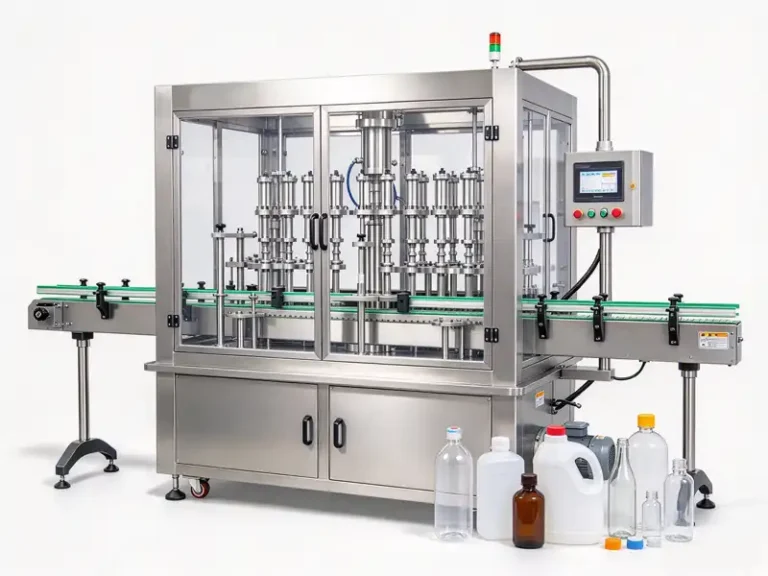
Juice Filling Machine
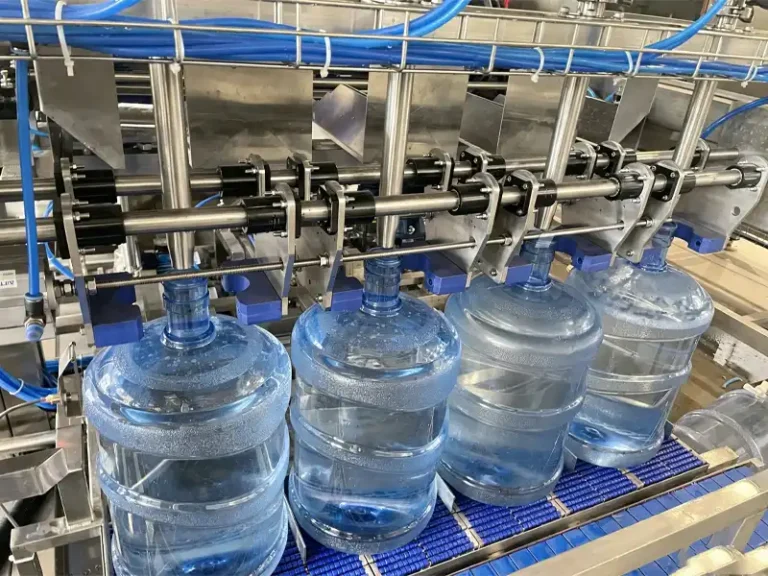
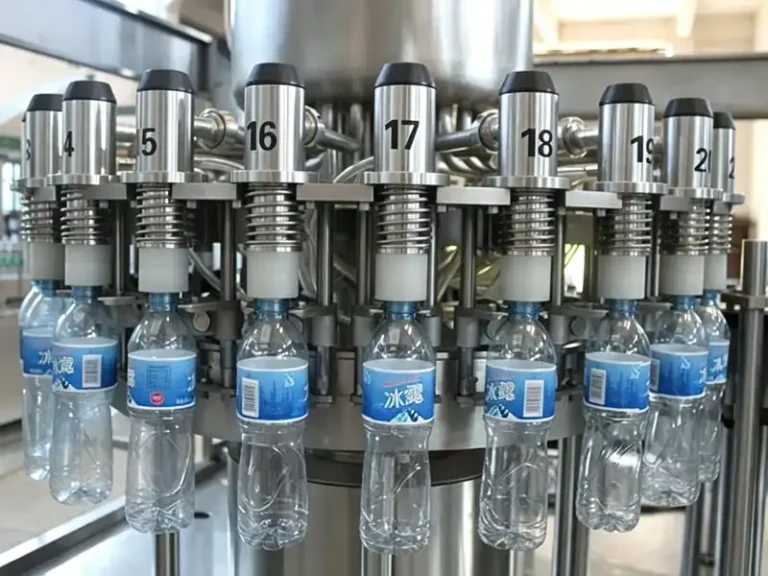
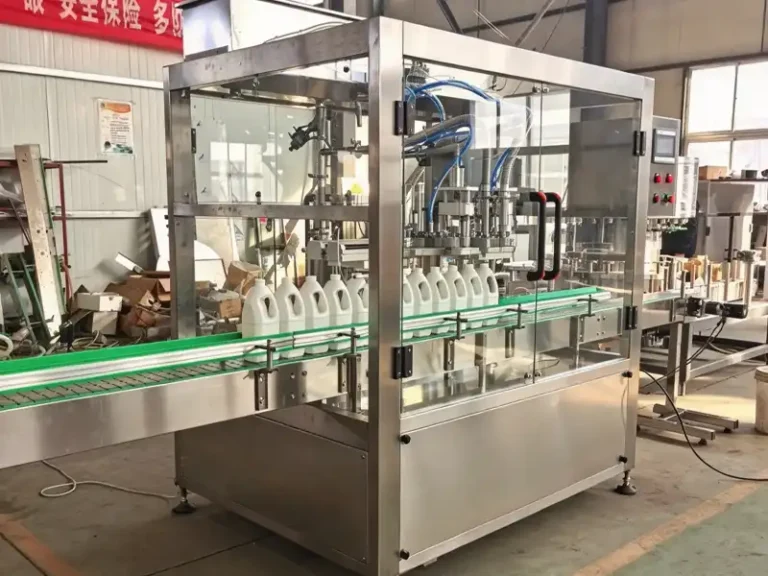
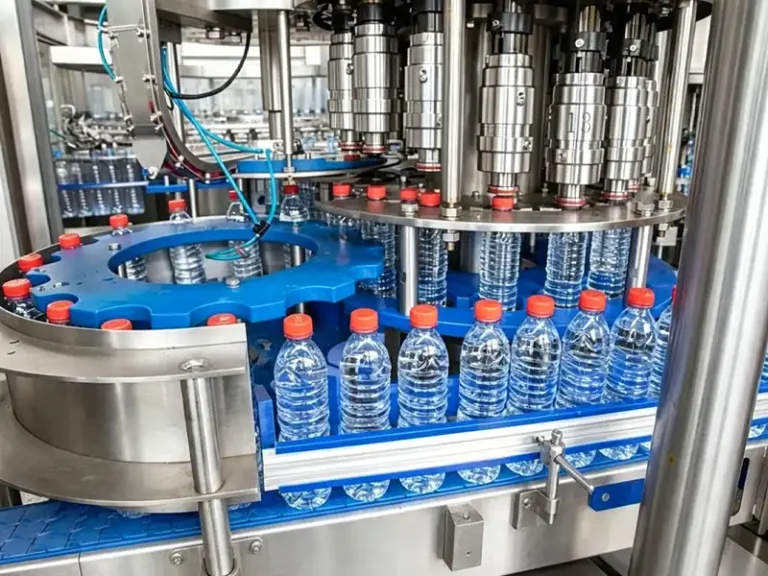
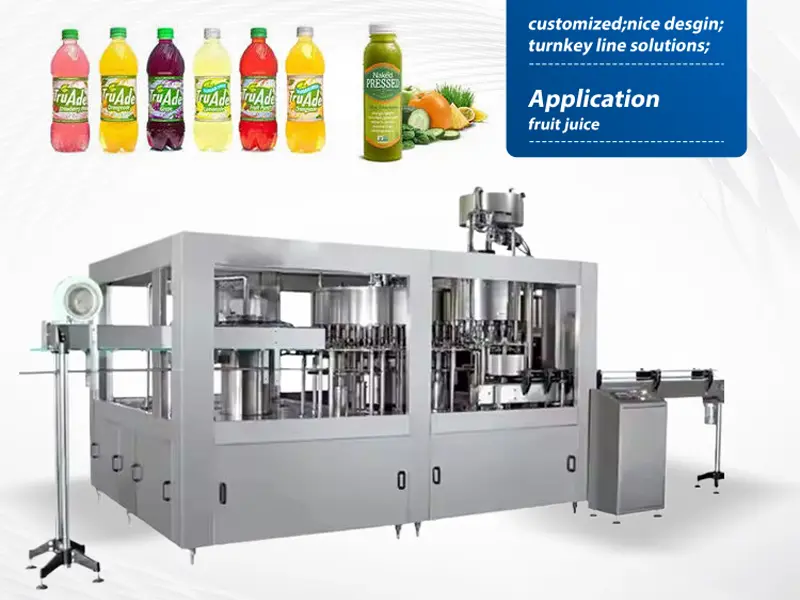
After processing and pasteurization, the juice proceeds to the filling stage. Juice filling machines can be selected based on bottle type, package volume, production speed, and product characteristics.
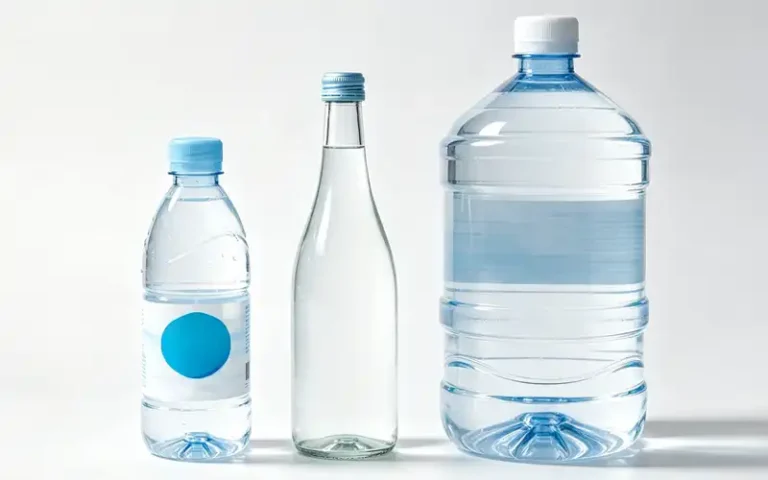
Common packaging formats include PET bottles, glass bottles, cans, and other food packaging containers. Different packaging formats require different filling, sealing, and post-packaging configurations; therefore, the filling machine must be compatible with both the upstream juice processing system and the downstream packaging equipment.
How to Choose an NFC Juice Production Line?
When selecting an NFC juice production line, you first need to determine which fruits to process, how much raw material needs to be processed per hour, and what type of packaging the final product will use.
1. Select Based on Fruit Type
Oranges, apples, mangoes, and pineapples have different raw material characteristics, so the juicing, filtering, and conveying methods will also vary. First, identify the primary fruit, then select the corresponding pre-processing and juicing equipment.
2. Select Based on Production Capacity
The production line’s capacity can be planned based on either the hourly fruit processing volume or the finished juice output. Common projects range from small-scale commercial production to large-scale industrial production; the scale of the equipment should be determined according to actual needs.
3. Select Based on Juice Type
If the product requires the retention of pulp or fiber, the production line must incorporate processes such as homogenization and pulp conveyance. If the product is primarily clear juice, the focus should be on filtration and clarification equipment.
4. Select Based on Packaging Method
Different packaging formats—such as PET bottles, glass bottles, and cans—place varying demands on juice filling machines, capping equipment, and subsequent packaging machinery. Packaging specifications also directly impact filling speed and production line configuration.
5. Select Based on the Level of Automation for the Entire Line
Small-scale projects can opt for semi-automatic or compact equipment combinations; medium- to large-scale projects typically employ highly automated fruit juice production lines that integrate fruit processing, juice processing, pasteurization, and filling.

FAQs
What does NFC mean in juice?
NFC stands for “Not From Concentrate.” It refers to juice that is processed without first concentrating the juice and later reconstituting it with water.
Is NFC juice the same as fresh juice?
Not necessarily. NFC juice is not made from concentrate, but it can still undergo processing such as filtration, pasteurization, cooling, and filling before reaching consumers.
Is NFC juice 100% juice?
Not automatically. NFC describes how the juice is processed rather than whether the final product contains 100% juice. The actual fruit content depends on the product formulation and applicable labeling requirements.
What is the difference between NFC juice and concentrate?
NFC juice does not go through the concentration and later reconstitution process used for concentrated juice. Concentrate is produced by removing part of the water from juice and may later be diluted with water.
What fruits can be used to make NFC juice?
NFC juice can be produced from many fruits, including oranges, apples, grapes, pineapple, mango, and pomegranate. Equipment and processing conditions vary depending on the fruit’s pulp, fiber, acidity, and juice characteristics.
Can NFC juice be produced on an industrial scale?
Yes. NFC juice can be produced using an integrated juice processing line that may include fruit washing, extraction, filtration, pasteurization, storage, and filling equipment.
What equipment is used to make NFC juice?
A typical NFC juice production line may include fruit washing equipment, crushers or pulpers, juice extractors, filtration systems, pasteurizers, storage tanks, and juice filling machines.
How long does NFC juice last?
Shelf life varies widely depending on the juice, processing method, packaging, and storage conditions. NFC status alone does not determine shelf life.
Can NFC juice be filled into PET bottles?
Yes. NFC juice can be packaged in PET bottles when the product, filling process, bottle material, and shelf-life requirements are compatible. Other options include glass bottles, cans, and aseptic packaging.
Conclusion
NFC juice, or not-from-concentrate juice, is characterized by the fact that it does not undergo the “concentration-reconstitution” process; instead, after the juice is extracted from the fruit, it proceeds directly to subsequent processes such as filtration, pasteurization, cooling, and filling. Compared to juice made from concentrate, the processing route for NFC juice more closely resembles that of fresh-pressed juice, but it also places higher demands on raw materials, processing equipment, temperature control, packaging, and storage and transportation.
In NFC juice production, different fruits require different pretreatment and juicing methods. Additionally, the appropriate processing and filling equipment must be selected based on whether the juice contains pulp, the target production capacity, the packaging format, and the required shelf life. Therefore, NFC juice production lines typically need to be designed specifically for each product rather than using an identical equipment configuration across the board. For manufacturers looking to produce NFC juice, clearly defining the fruit varieties, production capacity, and product packaging requirements is the first step in selecting a suitable juice processing production line.
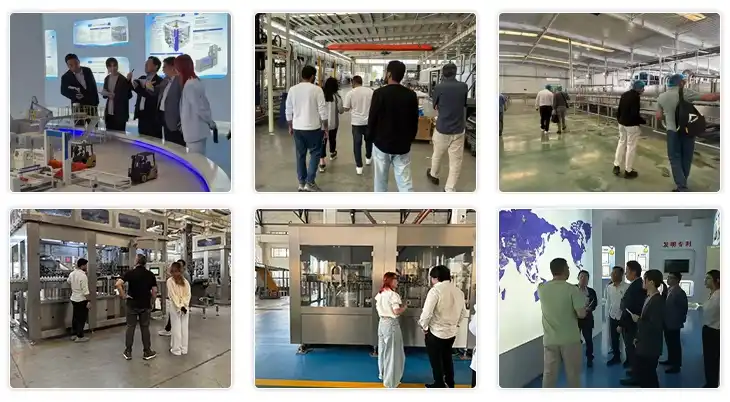
Snowy Owl Water engineering team provides application-specific NFC juice production line recommendations, backed by years of experience in fruit juice processing and beverage production. We help customers select suitable juice processing and filling equipment based on fruit type, production capacity, processing requirements, and packaging format.